AUTUMN IN JAPAN / TRADITIONS + FOOD GUIDE
Japanese autumn traditions: moon viewing, harvest customs, and seasonal foods
Short answer: Japan’s autumn calendar includes Tsukimi moon viewing, Autumn Higan around the equinox, the Chrysanthemum Festival, Shichi-Go-San, and the seasonal custom of momijigari, or appreciating autumn leaves. Each connects autumn with a different idea: harvest, remembrance, health, childhood growth, or the beauty of changing nature.
This guide explains the event or custom before discussing food. It is for English-speaking readers who want cultural context, not a single autumn menu or a claim that every family and region observes these traditions in the same way.
Last checked: August 3, 2026. Lunar-calendar dates, foliage timing, festival programs, weather, and regional customs can change. Check official local information for a specific visit.
How Japan’s autumn traditions fit together
Autumn combines annual observances, family milestones, appreciation of nature, and local harvest festivals. Tsukimi and Higan have seasonal or religious roots. Shichi-Go-San focuses on children’s growth. Momijigari is a nature-viewing custom. Harvest festivals belong to individual communities and regions.
Seasonal observances
Tsukimi, Autumn Higan, and the older five-season festival of Choyo no Sekku.
Family milestone
Shichi-Go-San, a shrine-visit tradition celebrating the growth of young children.
Nature and harvest
Momijigari, autumn leaves, harvest festivals, and regional food culture.
| When | Event or custom | What kind of occasion? | Main question it answers |
|---|---|---|---|
| September or October | Tsukimi | Moon-viewing and harvest custom | How do people appreciate the autumn moon and express thanks for harvest? |
| Around the September equinox | Autumn Higan | Buddhist observance and family remembrance | How do people remember ancestors at the seasonal turning point? |
| September 9 | Choyo no Sekku | Traditional seasonal festival | How were chrysanthemums connected with health and long life? |
| November 15 | Shichi-Go-San | Family growth and shrine-visit tradition | How do families mark the growth of young children? |
| September to December, by region | Momijigari | Autumn-leaf viewing custom | How do people appreciate changing leaves and seasonal scenery? |
The main Japanese autumn traditions
Tsukimi
Moon viewing during the harvest season, often with pampas grass, rice dumplings, taro, and seasonal offerings.
Autumn Higan
A seven-day period for reflection, family remembrance, and visits to ancestral graves.
Choyo no Sekku
The Chrysanthemum Festival, an older seasonal observance connected with health, longevity, and autumn chrysanthemums.
Shichi-Go-San
A family tradition in which children of selected ages visit a shrine or temple and receive wishes for healthy growth.
Momijigari
Literally “maple-leaf hunting,” this means going out to appreciate red and yellow foliage, gardens, mountains, temples, and hot-spring landscapes.
1. Tsukimi: viewing the autumn moon
Tsukimi means moon viewing. The best-known autumn moon-viewing occasion is Jugo-ya, which follows the fifteenth night of the eighth month in the old lunar calendar. Because the old lunar date moves against the modern calendar, Tsukimi usually falls around September or October and is not always on the night of the actual full moon.
What people see and do
- Place pampas grass, or susuki, near a window or household display.
- Offer rice dumplings, taro, seasonal fruit, or harvest foods.
- Look at the moon with family, friends, or at a temple or local event.
- Use rabbit and moon imagery in decorations, sweets, and shop displays.
Foods associated with Tsukimi
| Food | What it is | Meaning or association |
|---|---|---|
| Tsukimi dango | Round rice dumplings | Their shape resembles the full moon and they are arranged as an offering |
| Susuki | Pampas grass | A seasonal decoration connected with harvest and protection |
| Taro and harvest foods | Root vegetables, fruit, rice, and seasonal produce | Offerings and meals express gratitude for the harvest; details vary |
| Tsukimi dishes | Modern foods topped with an egg yolk or egg | Restaurants may use a “moon” egg as seasonal wordplay, not an ancient fixed menu |
2. Autumn Higan: remembrance around the equinox
Autumn Higan is a seven-day Buddhist and family remembrance period centered on the autumn equinox. Families may clean and visit ancestral graves, offer flowers or incense, and gather with relatives. It is similar in structure to Spring Higan and is a quiet observance rather than a harvest party.
Ohagi
Ohagi is a sweet made from glutinous rice and red bean paste, sometimes coated with kinako or other ingredients. It is the name commonly associated with the autumn version of the related spring sweet botamochi. The exact recipe and name can vary by family and region.
3. Choyo no Sekku: the Chrysanthemum Festival
Choyo no Sekku is the traditional seasonal festival observed on September 9. It is one of the five sekku, or seasonal festivals, and is associated with chrysanthemums, health, and longevity. Compared with Hinamatsuri or Children’s Day, it is less visible in ordinary modern life, but it is important for understanding the older seasonal calendar.
Symbols and food
- Chrysanthemum flowers and chrysanthemum designs.
- Chrysanthemum-viewing events at gardens, shrines, and temples.
- Chrysanthemum sake, edible chrysanthemum, chestnuts, or seasonal rice dishes in traditional explanations.
Do not assume that every household observes Choyo no Sekku today. A museum, garden, shrine, or regional cultural event may provide a clearer public introduction.
4. Shichi-Go-San: celebrating children’s growth
Shichi-Go-San literally refers to seven, five, and three. Around November 15, families take children to a Shinto shrine or Buddhist temple to pray for healthy growth. A common pattern is girls at ages three and seven and boys at age five, although local and family practices differ.
What people see and do
- Dress children in kimono or formal clothing.
- Visit a shrine or temple for prayers and photographs.
- Receive or buy chitose-ame, long red-and-white candy associated with long life.
- Share a family meal after the visit.
Chitose-ame
Chitose-ame means “thousand-year candy.” It is usually a long, thin candy in a decorative bag. The long shape and name express a wish for longevity. It is a recognizable Shichi-Go-San food symbol, but the meal afterward varies by family.
5. Momijigari and local harvest festivals
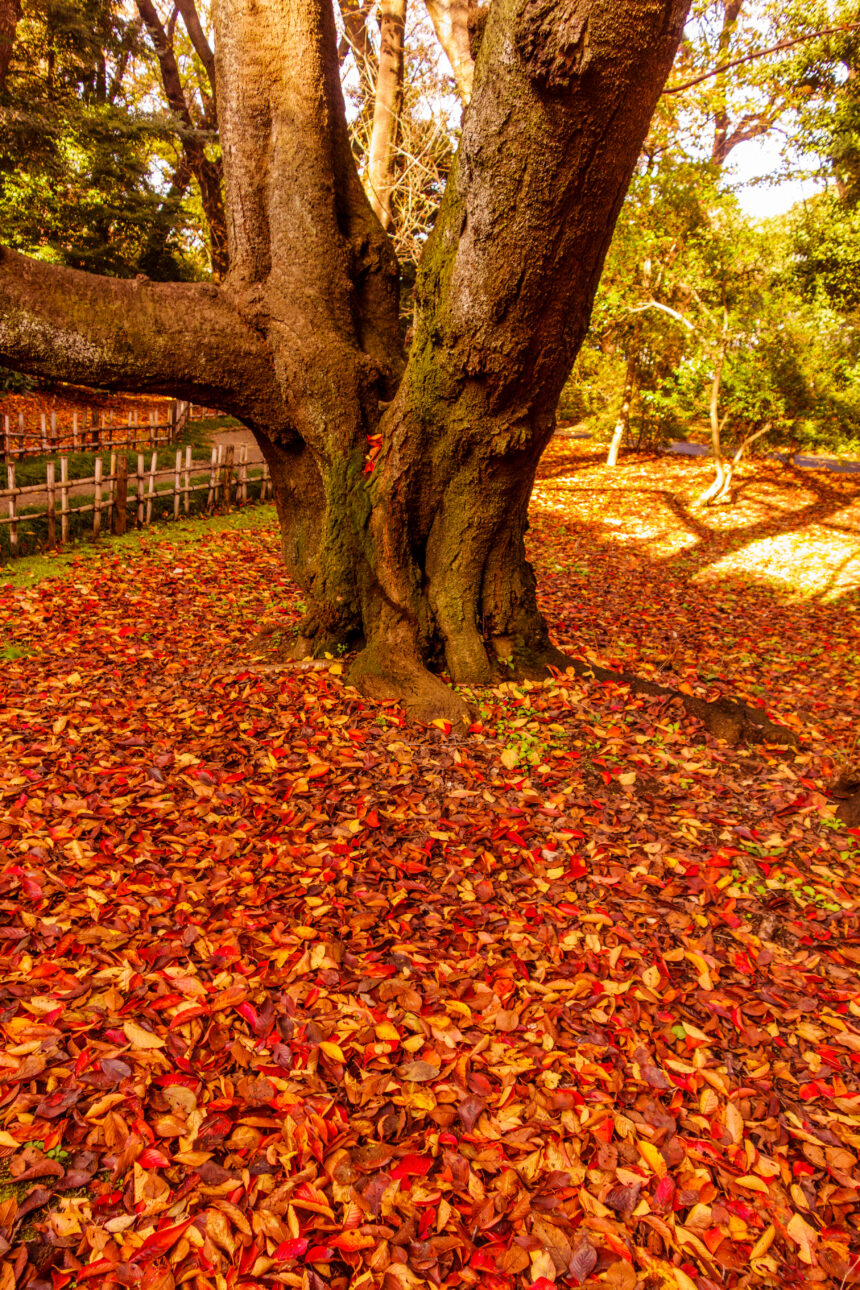
Momijigari means going out to admire autumn leaves. The word uses “gari,” or hunting, metaphorically: people are seeking beautiful foliage rather than collecting it. It is a seasonal nature custom comparable in spirit to hanami, but it is not one fixed national festival.
Autumn also brings local harvest festivals. A community may thank a shrine deity, celebrate a successful harvest, hold a procession, display floats, or serve regional foods. The program belongs to the specific town and organization.
Seasonal foods during autumn outings
| Food | How to understand it |
|---|---|
| Chestnuts and sweet potatoes | Classic autumn flavors used in sweets, rice, and roasted snacks |
| Mushrooms and sanma | Seasonal ingredients with strong autumn associations; availability and regional prominence vary |
| Persimmons, pears, grapes, and apples | Autumn fruit that appears in markets, gifts, desserts, and regional food stories |
| Rice, soba, and sake | Harvest-related foods connected with local agriculture and autumn meals |
Autumn foods beyond one event
- Chestnuts and sweet potatoes
- Warm, sweet autumn flavors used in wagashi, rice, roasted snacks, and desserts.
- Kinoko: mushrooms
- A broad word for mushrooms, many of which are strongly associated with autumn cooking. Avoid implying that wild mushrooms are safe to gather without expert local guidance.
- Sanma
- Pacific saury, a seasonal fish whose name and taste are closely tied to autumn in Japan.
- Persimmons and Japanese pears
- Fruits that appear in autumn markets, gifts, sweets, and home tables.
- Momiji manju
- A maple-leaf-shaped cake associated especially with Miyajima. It is an autumn-themed regional sweet, not a nationwide event food.
What should not be confused with a traditional autumn festival?
Autumn foliage illumination, restaurant “autumn menus,” Halloween events, and seasonal product campaigns are modern additions or commercial formats. They can be enjoyable, but they should not be presented as the same tradition as Tsukimi, Higan, Shichi-Go-San, or momijigari.
FAQ
What are Japan’s main autumn traditions?
Start with Tsukimi, Autumn Higan, Shichi-Go-San, and momijigari. Choyo no Sekku and local harvest festivals add older and regional layers.
When is Tsukimi?
The date changes because the main occasion follows the old lunar calendar. It is usually around September or October in the modern calendar.
Is Shichi-Go-San a national holiday?
No. It is a family and shrine-visit tradition around November 15, not a national public holiday. Families may choose a nearby weekend or another convenient date.
What is the difference between ohagi and botamochi?
They are closely related glutinous-rice and red-bean sweets. Ohagi is commonly associated with autumn, while botamochi is commonly associated with spring.
Is momijigari a festival?
It is better described as an autumn-leaf-viewing custom. Specific gardens, temples, parks, and towns may hold festivals or illuminations around it.
Are chestnuts and mushrooms traditional event foods?
They are strong autumn food associations, but they are seasonal ingredients rather than required foods for one particular event.
Sources and further reading
- Japan National Tourism Organization: Autumn in Japan
- Japan National Tourism Organization: Tsukimi moon viewing
- Japan National Tourism Organization: Momijigari
- Ministry of Agriculture, Forestry and Fisheries: Japanese event foods
For the broader travel-facing food guide, see Autumn Foods in Japan. For the annual overview, see our Japan seasonal food calendar. For spring and summer traditions, read Japanese Spring Traditions and Japanese Summer Traditions.
Editorial disclosure: Kuroneko Aji Meguri creates English food and culture guides as independent editorial pages. This guide describes common cultural associations, not one rule for every family, region, or festival. Check local official information for specific dates, programs, and venue rules.