A hands-on Japanese food experience can mean very different things: cooking okonomiyaki in Osaka, joining a tea ceremony in Kyoto, visiting a tea farm in Shizuoka, tasting sake in a brewery district, planning a Japanese wine day, walking a market, or learning from a regional producer. The best choice depends less on the food name and more on what you want to do.
Last checked: August 28, 2026. Food class availability, farm visits, tasting rules, alcohol policies, allergy support, schedules, prices, and cancellation terms can change. Confirm current official pages before booking.
This hub helps you choose the right starting point. Use it as a map, then confirm current prices, schedules, language support, ingredients, cancellation terms, and access on the official listing before booking.
Start With The Action
| Your goal | Best starting point | Go deeper |
|---|---|---|
| Make food and eat it | Cooking class | Osaka Cooking Classes for Travelers |
| Learn quiet tea hospitality | Tea ceremony | Tea Ceremony Experience in Japan |
| See where tea is grown | Tea farm or tea terrace | Tea Picking and Tea Farm Experiences in Japan |
| Understand sake through place | Brewery visit, tasting room, or sake district | Sake Brewery Tours in Japan |
| Plan a wine-region side trip | Winery region and transport plan | Japanese Wine Travel Guide |
| Compare sake, wine, and fermentation | Drink and fermentation parent hub | Sake, Wine, and Fermentation Travel in Japan |
Cooking Classes
Cooking classes are usually the clearest hands-on food experience because you know the appointment time, the dish, and the basic activity. Osaka is especially strong for visitor-friendly cooking activities around okonomiyaki and takoyaki. Osaka Info’s official experience pages also show why travelers must read the exact listing: activity formats can include duration, participant count, age rules, hot-plate safety, dietary notes, late-arrival rules, and cancellation terms.
Choose a cooking class when you want to participate rather than only eat. Avoid placing it immediately after a long train transfer or flight, because late arrival can affect the whole group.
Tea Ceremony And Tea Farms
Tea ceremony and tea farm travel are related, but they are not the same. JNTO explains tea ceremony as an art of hospitality and preparation. A tea farm visit is more about fields, growers, harvest timing, weather, processing, and rural access.
Uji can be a good Kyoto-area tea day because it combines tea shops, workshops, river walking, and temple context. Shizuoka is stronger when you want tea fields and production landscape. Shizuoka City’s official tourism site describes tea tourism as visiting tea farmers and tea merchants to enjoy tea in places visitors normally do not see.
Sake, Wine, And Fermentation
Sake brewery travel works best when you understand the visit type first. A production tour, tasting counter, museum, brewery district walk, and food-pairing experience are not the same day. The Japan Council for Promotion of Sake Brewery Tourism frames sake brewery tourism as getting closer to the source, including the people, local cuisine, and regional traditions behind sake.
Japanese wine is a different branch. JNTO’s Yamanashi page highlights the prefecture’s vineyards and wine, and Yamanashi’s official tourism information presents wine tourism as part of the region’s identity. Winery travel usually needs careful transport planning because tasting and driving do not mix.
Market Tours, Farm Visits, And Rural Food
Market tours, farm visits, and rural food experiences can be excellent for repeat travelers, but they are less standardized than a city cooking class. Check meeting point, walking distance, weather, language support, restroom access, payment, cancellation, and whether you will actually cook, harvest, taste, or mainly observe.
JNTO’s food-culture materials emphasize regional ingredients, local cuisine, tea picking, sake brewing, and the relationship between food and place. That is the strongest reason to book these experiences: not to collect a checklist, but to understand how a region lives through food.
Dietary, Allergy, And Language Checks
Do not assume substitutions are possible. Japanese food experiences may involve wheat, soy, seafood, egg, dairy, meat, alcohol-based seasonings, shared utensils, shared griddles, or broth that is not obvious from the dish name. For serious allergies, ask the operator before booking and choose a private or specialized activity if the answer is unclear.
Language support also varies. “English available” may mean an English-speaking guide, translated recipe sheets, English display panels, or simple booking support. Confirm what kind of support is available on your date.
Alcohol And Age Rules
For sake, wine, beer, whisky, and other alcohol-related experiences, remember that Japan’s legal drinking age is 20. Bring ID if requested, do not drink and drive, and choose train, bus, taxi, walking, or a guided plan for tasting days. Non-drinkers can still enjoy many food and drink experiences through museums, production stories, food pairing, architecture, shopping, and local history.
Best First-Time Pattern
For a first trip, choose one fixed food experience and keep the surrounding day flexible. A cooking class can anchor lunch or dinner. A tea ceremony can fit between temple or garden visits. A tea farm or winery day needs more transport room. A sake district works best when you have time to walk, taste slowly, and eat.
The best experience is not the one with the longest list of activities. It is the one where the activity, host, language, ingredients, access, timing, and physical comfort match your actual travel day.
Photo Credit
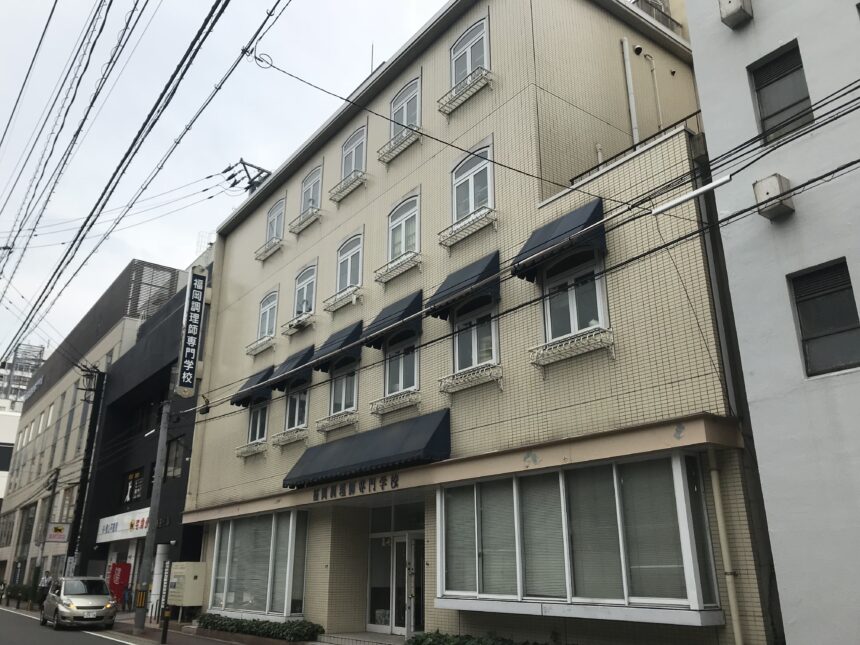
Featured image: Fukuoka Cooking School 20180622 by そらみみ via Wikimedia Commons, licensed under CC BY-SA 4.0. Cropping or resizing may be applied for site display. Image use does not imply endorsement by the photographer, Wikimedia, cooking schools, operators, restaurants, or tourism organizations.
Sources
- JNTO: Japan’s Food Culture
- JNTO: Cuisine experiences in Japan
- Japan Sake and Shochu Makers Association
- Japan Council for Promotion of Sake Brewery Tourism
- JNTO: Japanese Tea Ceremony
- Shizuoka City official tourism: tea tourism
- Osaka Info Experience: cooking activities
- JNTO: Yamanashi
- Wikimedia Commons image file and license record
Editorial Disclosure
This independent guide is not affiliated with or endorsed by JNTO, Osaka Info, tourism organizations, farms, breweries, wineries, cooking schools, restaurants, Wikimedia, or the photographer. Always confirm current schedules, prices, ingredients, language support, access, age rules, and cancellation terms on the official listing before booking.