Start with the region, not the bottle
Short answer: Japanese wine travel is a rewarding side of Japan for food travelers, but it works best when you plan by region, reservation, transport, and language support. Yamanashi is the easiest first choice, Nagano is a strong second step, and Hokkaido, Yamagata, and other regions can fit broader trips. Always check winery pages for current visits, tasting rules, English support, and age requirements.
Last checked: August 20, 2026. Winery hours, tours, tastings, prices, restaurants, English-speaking staff, vineyard access, harvest timing, transport, and reservations can change. In Japan, alcohol is for people aged 20 and over.
What makes Japanese wine different?
The Japan Wineries Association describes Japanese wine as diverse, made from a wide range of grapes including indigenous Japanese varieties, crossbreeds, and international varieties such as Chardonnay and Merlot. The same source names Yamanashi, Hokkaido, Nagano, and Yamagata as major production areas.
For a traveler, that means Japanese wine is not one flavor or one region. It can be a mountain-valley trip, a fruit-growing landscape, a small winery visit, a restaurant pairing, or a shop tasting attached to a broader food day. Do not expect every winery to operate like a large wine estate overseas. Many Japanese wineries are small, and visitor access can be limited or reservation-based.
First-time region chooser
| Region | Why it works | What to confirm |
|---|---|---|
| Yamanashi | Classic first choice, close enough to Tokyo for many plans, strong Koshu grape identity | Winery reservation, English support, station/taxi access, tasting rules |
| Nagano | Mountain scenery, multiple wine valleys, good fit with food and hot spring travel | Which valley fits your route, winery distances, bus or taxi options |
| Hokkaido | Cool-climate wine interest and broad regional travel appeal | Season, driving plan with non-drinking driver, winery opening days |
| Yamagata | Fruit-growing culture and a quieter wine route | Limited English information, transport, reservation requirements |
| Urban or single-winery visit | Useful when wine is a side trip rather than the main reason to travel | Whether the site offers tours, tastings, shops, meals, or only retail |
Why Yamanashi is the easiest start
Yamanashi Prefecture describes itself as the birthplace of Japanese wine, with a winemaking history dating back to the Meiji Era. Its official wine page states that the region has the largest number of wineries and the largest wine production in Japan, with around 90 wineries and about 30% of the country’s wine production.
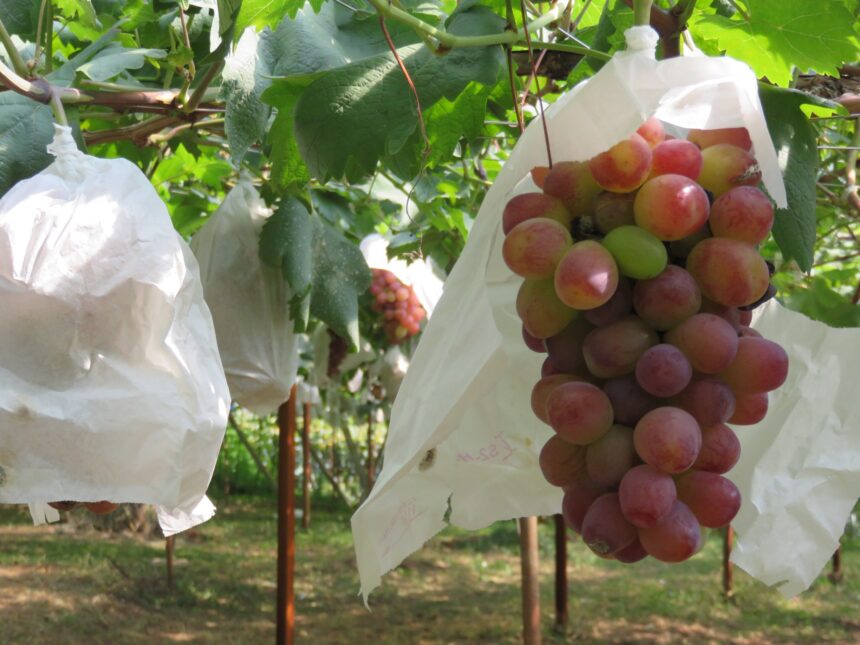
Yamanashi is also where many travelers first meet Koshu, an indigenous grape variety closely associated with Japanese wine. The prefectural page identifies Koshu as Japan’s oldest cultivated grape variety and a representative grape used in Japanese wine. If you want a first tasting theme, compare Koshu with Muscat Bailey A and one international variety rather than trying to taste everything.
JNTO’s Yamanashi wine article frames wine tourism as more than a tasting counter: it can include winegrowing areas, wineries, restaurants, scenery, and local history. That is the right way to plan the day. Choose one or two anchors, then leave time for food, walking, train or taxi connections, and a slow return.
Nagano and the next step
Nagano is a good second wine region when the trip already includes mountains, hot springs, or rural food travel. Nagano Prefecture’s official wine site organizes the area into four wine valleys: Kikyogahara, Nihon Alps, Chikumagawa, and Tenryugawa. That structure is useful because distances matter. Pick the valley that fits your route instead of trying to cover the whole prefecture.
For repeat visitors, Hokkaido and Yamagata can also be appealing, especially when wine is paired with fruit, landscape, seafood, or cool-climate travel. Use the Japan Wineries Association’s English winery list as a starting point, then go to each winery’s official page for current visitor information.
English support is not guaranteed
An English website does not automatically mean an English-speaking tour. Some wineries have English pages for basic information but only Japanese tours. Some have English menus or shop support, but not production explanations. Some require private guides or advance email confirmation.
Lumiere Winery in Yamanashi is an example of a winery that publishes English-speaking tour information and reservation conditions on its official site. The page also says the booking is not complete until a confirmation email is received. On the other hand, the Kofu Tourism Association FAQ says English tours are not currently offered at several Kofu wineries it lists, while private Yamanashi tour guides may be an option. Both examples point to the same rule: verify the exact language support before building the day around a tour.
Safety, age, and transport
The National Tax Agency states that Japan’s alcohol age restriction remains 20 even though the civil age of adulthood was lowered to 18, and that drinking by people under 20 is prohibited by law. Bring ID if age verification may be requested, and do not join a tasting if you are under 20.
Do not drink and drive. Winery areas can feel rural and spread out, but that is exactly why transport planning matters. Use trains, taxis, local buses, organized tours, or a non-drinking driver. If you rent a car for scenery, separate that from tasting or buy bottles to open later at your accommodation.
Drink slowly, eat food, drink water, and do not feel pressured to finish every pour. Non-drinkers can still enjoy vineyards, architecture, grape-growing landscapes, restaurants, shops, juice, vinegar, local produce, and food-pairing explanations.
Best first-time pattern
For a first Japanese wine day, choose Yamanashi if you want the clearest wine identity and easiest research path. Choose Nagano if your trip already includes mountain scenery and you are comfortable with more route planning. Choose a single winery or urban tasting option if wine is only one part of the day.
The best Japanese wine trip is not the one with the most wineries. It is the one where the wine region, food, transport, language support, and pace all fit the rest of your Japan itinerary.
Use This With Related Guides
Use this wine guide with Sake, Wine, and Fermentation Travel in Japan. If the trip is more hands-on, compare with Hands-On Japanese Food Experiences in Japan. For brewery-focused travel, read Sake Brewery Tours in Japan.
Photo credit
Featured image: Koshu Grapes by Aw1805 on Wikimedia Commons, CC BY-SA 4.0. Cropping or resizing may be applied for site display. The image is used in editorial wine-travel-guide context and does not imply endorsement by the photographer, Wikimedia, wineries, or tourism organizations.
Sources
- Japan Wineries Association: What is Japanese Wine?
- Yamanashi Prefecture: wine
- Nagano Prefecture: Discover Nagano Wine
- JNTO: Enjoy all the magic of Yamanashi, with Japanese wine
- Lumiere Winery
- Kofu Tourism Association: FAQ in English
- National Tax Agency: prevention of drinking by people under 20
- Wikimedia Commons image file and license record
Editorial disclosure: This is an independent planning guide. It is not affiliated with the Japan Wineries Association, Yamanashi Prefecture, Nagano Prefecture, JNTO, Lumiere Winery, Kofu Tourism Association, the National Tax Agency, wineries, tour operators, Wikimedia, or trademark owners.