Plan the transfer, then add the view
Short answer: treat the Tokyo-Kyoto Shinkansen as a transfer day with a possible Fuji view, not as a guaranteed sightseeing excursion. Choose a train and seat that fit your route, buy an ekiben with enough time to board, keep luggage manageable, and leave the first meal after arrival flexible. The view is a bonus; a calm connection is the essential part.
Last checked: August 15, 2026. Train schedules, seat availability, weather, service conditions, station shops, menus, prices, and luggage rules can change. Confirm the exact current information with JR Central or the relevant official operator before travel.
Who this plan suits
- First-time visitors moving between Tokyo and Kyoto who want scenery without adding a separate excursion.
- Travelers who enjoy station food and want an easy meal on the train.
- Couples, families, and small groups who need a predictable transfer with a little visual excitement.
It is less suitable when the day already includes a strict timed event, a large amount of luggage, a complex dietary requirement that has not been checked, or a same-day connection that leaves no buffer.
Choose the day structure first
| Day situation | Best food approach | Protect first |
|---|---|---|
| Tokyo hotel to Kyoto hotel | Buy a station meal after reaching the correct boarding area | Check-out, luggage, platform, and hotel check-in timing |
| Airport arrival before the train | Use a simple station meal rather than a famous restaurant | Arrival uncertainty and enough time to reach the platform |
| Family transfer | Choose familiar bento formats plus drinks and a small snack | Seating, toilets, energy, and a low-stress backup |
| Strict dietary need | Confirm ingredients before departure and carry a verified backup | Labels, sauces, stock, shared preparation, and communication |
How to think about the Fuji view
The official JR Central guidance presents the Shinkansen journey as part of the Golden Route and offers Mt. Fuji planning information. Use that official material to understand the route and current booking options, but do not turn it into a promise that the mountain will be visible. Cloud, rain, haze, season, train timing, and the exact position of the train all matter.
When the view matters, give the route enough slack. A traveler who must change trains immediately after arrival should prioritize a comfortable connection over a particular photo. A traveler with a free afternoon can treat the possible view as one pleasant part of the ride and keep the Kyoto plan simple until the group has reached the hotel or station area.
Seat and boarding checklist
- Check the exact route, departure station, destination, and boarding time.
- Allow time to find the platform and buy food after entering the correct station area.
- Choose seating through the official booking or station process and avoid assuming that a specific seat guarantees a view.
- Keep large luggage from blocking the aisle or changing the group’s boarding speed.
- Save the next address and the arrival meal backup before boarding.
A seat decision is only good when it also fits the group. Window views are less useful if a child needs frequent movement, a traveler needs easy access to the aisle, or a large suitcase creates stress. The best seat is the one that makes the whole transfer work.
Buy the ekiben without rushing
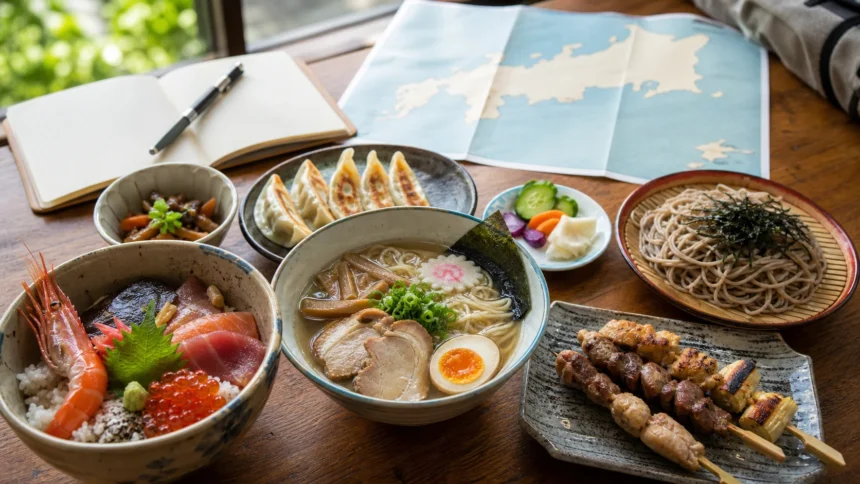
Station food can make the journey feel local without adding a restaurant reservation. Compare a bento, sandwich, rice ball, drink, or snack by carrying time, temperature, ingredients, rubbish, and how easy it is to eat in the available seat. A visually famous box is not automatically the best choice for a long travel day.
| Food choice | Useful when | Check before buying |
|---|---|---|
| Ekiben | You want a regional meal and have enough time to board | Ingredients, temperature, portion, and rubbish |
| Simple bento or rice ball | You need a familiar and low-mess option | Fillings, sauces, allergens, and drink pairing |
| Sandwich or bakery item | You may eat in stages or have a sensitive stomach | Fillings, dairy, egg, and storage |
| Drink and small snack | The next meal is soon after arrival | Hydration, caffeine timing, and group preferences |
Food safety and dietary planning
Station labels can help, but they do not replace direct confirmation when an allergy or serious dietary risk is involved. Sauces, stock, garnish, frying oil, and shared preparation may matter. Use the Practical Food Guides in Japan for label, communication, reservation, and backup planning. Keep a verified alternative in the hotel or destination area instead of relying on one train meal.
Arrival in Kyoto: keep the next meal flexible
Do not attach a difficult restaurant reservation to the exact arrival minute. The train may be on time while luggage, station exits, local transport, or hotel check-in still take longer than expected. A better pattern is one easy arrival option near the station, hotel, or first attraction, followed by a more special meal after the group has settled.
- Early arrival: use the station or hotel area as a base and make lunch the flexible meal.
- Afternoon arrival: keep a cafe, department-store food floor, or simple restaurant as a bridge to dinner.
- Late arrival: confirm a nearby meal, hotel option, or takeout plan before leaving Tokyo.
- Rain or low visibility: keep the route useful even if the view does not appear.
A comfortable sample timeline
Start by reaching the station with enough time to locate the correct platform and buy food. Board before the last comfortable minute, settle luggage, and treat the first part of the ride as a reset rather than a photo mission. Eat when the group is ready, keep drinks easy to reach, and check the arrival plan before the train reaches Kyoto. After leaving the station, go to the hotel or first fixed destination before deciding whether the group still wants a special meal.
This sequence protects both the scenery and the food. It gives you time to notice the landscape without standing in a queue while watching the clock, and it prevents an arrival delay from turning a reserved dinner into the only important event of the day.
Small details that make the ride easier
- Carry a small rubbish bag until you find the appropriate disposal point; do not assume every station or destination has a convenient bin.
- Keep wet wipes, a drink, and any necessary medication accessible rather than buried under luggage.
- Choose food that can be eaten neatly if the group is sharing a table or managing children.
- Save the hotel address in Japanese and English so the arrival transfer does not depend on memory.
- Download or screenshot the relevant booking and route details before entering a station area with weak signal.
What to do if the main plan fails
If the view is hidden, enjoy the route, the food, and the changing landscape rather than treating the ride as a failure. If a station shop is crowded, choose a simpler meal and board safely. If the group arrives tired, replace a distant Kyoto restaurant with a nearby option. If a dietary check is uncertain, use the verified backup instead of guessing from a photograph.
Related guides
Start with Scenic Food Travel in Japan for the wider route map. Use Japan Food Itinerary Planning for transfer-day structure, and return to Japan Food, Culture, and Travel Guide for the national map.
Sources
- JR Central: Shinkansen and Golden Route
- JR Central: Mt. Fuji route planning
- JNTO: Food and Drink in Japan
Editorial disclosure: This is an independent travel-planning guide. It does not guarantee a view, a specific seat, a menu, or transport conditions.