Japan’s art, design, architecture, and garden travel works best when it is planned as a rhythm, not as a checklist. A museum morning, a garden walk, a neighborhood architecture route, and a regional art island all ask for different timing, reservations, weather plans, and photography rules.
Last checked: August 28, 2026. Museum hours, exhibition dates, timed tickets, garden openings, ferry access, artwork visibility, photography rules, venue closures, and festival information can change. Confirm current details on official venue, garden, event, city, or prefectural pages before travel.
This hub is a starting point for travelers who want culture through spaces: galleries, museums, gardens, craft towns, design districts, temple landscapes, contemporary art sites, and architecture. Use it to choose a branch, then confirm current opening hours, exhibition dates, tickets, access, and photo rules on official venue pages.
Choose The Experience First
| Interest | Best first plan | What to verify |
|---|---|---|
| Japanese gardens | Kyoto, Kanazawa, Okayama, Tokyo garden routes, temple gardens | Opening hours, seasonal views, night openings, footwear, closures |
| Art museums | Tokyo, Kyoto, Naoshima, Kanazawa, regional museum towns | Exhibition dates, timed tickets, closed days, photography rules |
| Architecture | Tokyo modern buildings, Kyoto machiya, castles, stations, museums | Entry rules, private-property boundaries, tours, renovation closures |
| Design and craft | Kanazawa, Setouchi, Kyoto, Tsubame-Sanjo, Mashiko, Arita | Workshop booking, shipping, language support, opening days |
Gardens Are Cultural Places
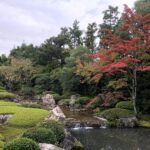
JNTO’s Japanese garden guide explains that gardens in Japan have been appreciated for more than 1,000 years and often use space, water, sound, dry landscape, and borrowed scenery. For travelers, the point is not only to collect famous names. Slow looking matters. A garden can change with rain, moss, sound, light, and season.
Respect posted paths and restricted areas. Do not step into moss, gravel, roots, or off-limits viewing areas for a photo. In temple gardens, keep voices low and treat the site as an active cultural or religious space.
Art And Architecture Need Current Checks
JNTO’s art materials highlight the mix of ancient, modern, natural, and man-made elements in Japanese art travel. That broad frame is stable, but operational details are not. Museums close between exhibitions. Popular shows may need timed tickets. Small architecture tours may run only on certain days. Photography rules may differ by room, exhibition, artist, or lender.
For that reason, this hub does not maintain a live exhibition calendar. Use official museum, venue, city, prefecture, or event pages before finalizing a trip.
How To Build A Day
The easiest pattern is one anchor plus one quiet add-on. Pair a museum with a nearby garden. Pair an architecture route with a coffee or craft district. Pair a temple garden with a short hands-on activity. Avoid packing three museums into one day unless they are small and close together.
Art islands and rural museum routes need more planning. The official Setouchi Triennale site describes the festival as a contemporary art festival held every three years on Seto Inland Sea islands, with spring, summer, and fall sessions. That rhythm is exactly why ferries, buses, luggage, weather, restaurant hours, and last departures matter as much as the exhibition itself.
Photo And Rights Cautions
Do not assume that a public artwork, exhibition poster, character installation, museum interior, or architect-designed building can be freely reused in article images. For this site, use free photos with clear license records, or official images only when the usage permission is explicit. When in doubt, choose gardens, exteriors, streetscapes, or public-domain/CC0 images with no protected artwork as the main subject.
Related Guides
For classic first-trip routing, start with the Classic Japan Guide for First-Time Visitors. For heritage-heavy travel, use the Japan World Heritage Guide. For participatory culture, use Hands-On Cultural Experiences in Japan. For seasons and gardens, compare the Japan Seasonal Traditions and Festivals Guide.
Photo Credit
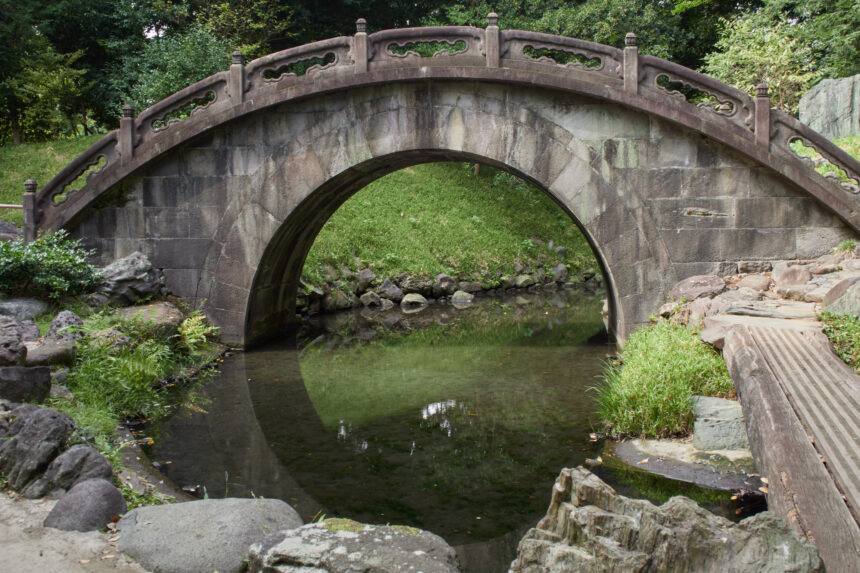
Featured image: Rikugien and Koishikawa Korakuen – TokyoGardens800 by lumoplank via Wikimedia Commons, released under CC0 1.0 Public Domain Dedication. Cropping or resizing may be applied for site display. Image use does not imply endorsement by the photographer, Wikimedia, gardens, parks, museums, local governments, or tourism organizations.
Sources
- JNTO: Art experiences in Japan
- JNTO: Japanese Gardens and Zen Gardens Around Japan
- JNTO: Parks and Gardens
- Agency for Cultural Affairs
- Agency for Cultural Affairs: Cultural Properties
- Setouchi Triennale official site
- Wikimedia Commons image file and license record
Editorial Disclosure
This independent guide is not affiliated with or endorsed by JNTO, the Agency for Cultural Affairs, museums, gardens, artists, architects, venue operators, local governments, Wikimedia, or the photographer. Always confirm current operational details on official sources before travel.