Start with the port, not the plan
Short answer: Miyakejima ferry travel needs a flexible port plan. The island has three ferry ports: Miike Port, Sabigahama (Ako) Port, and Igaya Port. The port used by large ships and jet boats can change with weather and sea conditions, so your return morning should be built around official status checks, lodging pickup, taxi or rental-car timing, and luggage handling.
Last checked: August 28, 2026. Ferry schedules, port use, operation status, local transport, baggage deadlines, pickup rules, facility hours, phone numbers, weather, and sea conditions can change. Always confirm current details with official operator and local sources before travel.
Why the port can change
Miyakejima is not like a city ferry terminal where the pier is fixed for every traveler. UMISORA, Tokyo Metropolitan Government’s island access site, explains that large ships and jet boats use three ports on Miyakejima, and that the sailing port varies depending on weather conditions. In practical terms, the right question is not “Which port should I choose?” It is “Which port has the operator chosen for this sailing, and how do I get there in time?”
The three names to know are Miike, Sabigahama (Ako), and Igaya. Save all three on your map before you arrive. A plan that only saves one port is fragile, especially on a return day when lodging checkout, luggage, rental car return, lunch, and ship boarding can collide.
The three ports
| Port | What to know | Trip-planning point |
|---|---|---|
| Miike Port | One of the main Miyakejima ferry ports listed by UMISORA. | Do not assume it will be used just because an image, map, or old trip report shows it. |
| Sabigahama (Ako) Port | Listed by UMISORA as Sabigahama (Ako) Port. | Useful to know if your lodging or pickup is around Ako, but still confirm the official port. |
| Igaya Port | Listed by UMISORA as another Miyakejima port option. | Treat it as a real operating possibility, not an obscure backup name. |
How to check the port
Use official layers, then make your local movement match them. Tokai Kisen controls the passenger ship operation information. UMISORA also publishes Miyakejima traffic information for island access. Miyakejima Tourism Association’s FAQ says the port for ships arriving at Miyakejima is determined by sea conditions, and that the port for the Tokyo-bound ship is decided around 11:00.
For a return day, check once before leaving your lodging, again after the port decision time, and again before you hand over luggage or return a vehicle. If the status uses words such as conditional operation, delay, turnback, or port change, simplify the rest of the day. The ship is the anchor; sightseeing is optional.
Arrival morning is its own problem
The Tokyo overnight ship can put travelers on Miyakejima very early. Miyakejima Tourism Association’s FAQ says there is no public place to rest after the early arrival, and suggests arranging lodging early check-in or lodging pickup where available. That is important for English-speaking visitors because a ferry arrival can feel like the start of a normal sightseeing day, but the island may still be quiet.
Before you board in Tokyo, ask your lodging what happens if the arrival port changes. Confirm whether pickup is possible, where to wait, and what to do if the ship arrives earlier, later, or at a different port. If you do not have lodging pickup, prebook a taxi or rental car when possible and keep your first morning light.
Return day: keep it boring
A good Miyakejima return day is deliberately simple. Pack before breakfast, keep your rental-car return flexible, and avoid a final attraction that depends on being far from every port. Tokai Kisen’s checked-baggage page says large passenger ships handle checked baggage and gives island-area cutoff rules. The exact current rule should always be confirmed with Tokai Kisen, but the planning lesson is stable: do not discover the port and start solving baggage at the last minute.
If your ferry is around midday or early afternoon, the port decision and luggage timing may sit close together. Have your lodging, taxi, rental car office, or bus choice ready before 11:00. Once the port is known, move toward the ferry plan first and treat lunch or sightseeing as a bonus.
Simple decision flow
| Moment | Action | Why |
|---|---|---|
| Before the trip | Save Miike, Sabigahama (Ako), and Igaya on your map. | You may not know the used port until the travel day. |
| Before boarding in Tokyo | Confirm lodging pickup or early-arrival instructions. | The ferry can arrive before normal visitor services feel awake. |
| Return morning | Check Tokai Kisen and UMISORA operation information. | Weather, sea conditions, and port use control the day. |
| Around the port decision | Call or message lodging, taxi, rental car, or pickup contact if needed. | A port change can move your meeting point across the island. |
| Before luggage cutoff | Prioritize baggage and boarding over sightseeing. | Missing the ferry can affect the rest of an island itinerary. |
Where this fits in the transport hub
Use this guide with the Japan Transport Fan Travel Guide, the Tokyo Islands Overnight Ferry Guide, the Aogashima and Mikurashima Backup Guide, the Chofu Island Flights Guide, and the Tokyo Ai-Land Shuttle and Heliport Guide. The goal is not to collect transport trivia. It is to keep your island trip calm when the port changes.
Photo credit
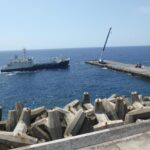
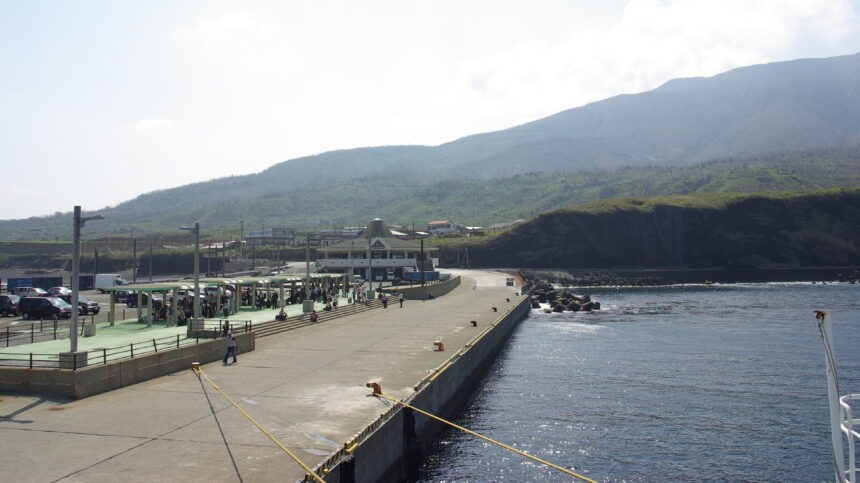
Featured image: Miike Port, Miyakejima by Nagoya Taro on Wikimedia Commons, licensed under CC BY-SA 4.0. Cropping or resizing may be applied for site display. The image is used in editorial transport-travel-guide context and does not imply current departure port, current terminal layout, current operation status, endorsement by the creator, Tokai Kisen, Tokyo Metropolitan Government, Miyakejima Tourism Association, Wikimedia, or island communities.
Sources
- Tokai Kisen official operation status
- Tokai Kisen official timetable
- Tokai Kisen official checked-baggage information
- UMISORA / Tokyo Metropolitan Government: Where is the port on Miyakejima?
- UMISORA / Tokyo Metropolitan Government Miyakejima access page
- UMISORA Miyakejima operation status
- Miyakejima Tourism Association FAQ
- Miyakejima Tourism Association access page
- Wikimedia Commons image file and license record
Editorial disclosure: This is an independent planning guide. It is not affiliated with Tokai Kisen, Tokyo Metropolitan Government, Miyakejima Tourism Association, Wikimedia, the image creator, or island communities.