Backup planning is the main plan
Short answer: Aogashima and Mikurashima can be unforgettable Tokyo island trips, but they are not good places for a tight itinerary. Ferry berthing, helicopter seats, wind, waves, current, lodging, and return buffers decide whether the trip is realistic.
Last checked: August 28, 2026 JST. Ferry timetables, helicopter timetables, fares, seat availability, payment rules, port choice, operation status, check-in windows, and weather decisions can change. Confirm current details with Izu Shoto Kaihatsu, Tokai Kisen, Tokyo Ai-Land Shuttle, official Tokyo island sources, and JMA before travel.
Why these islands need a different mindset
Many Japan trips can survive a delayed train or a missed cafe reservation. Aogashima and Mikurashima are different. The transport network is small, the weather matters more, and backup routes may require another island, another operator, or another night. The right question is not “can I technically reach it?” It is “can I still have a calm trip if today’s route changes?”
| Island problem | Main risk | Better planning habit |
|---|---|---|
| Hachijojima to Aogashima | Ferry conditions and limited helicopter seats. | Check ferry and helicopter operation status on the day and keep lodging flexibility. |
| Miyakejima to Mikurashima | Berthing risk, limited local movement, and activity timing. | Plan around official status, lodging, and a possible overnight reset. |
| Return to Tokyo | Weather or sea conditions can break same-day onward plans. | Avoid international flights or prepaid events on the same day as a risky return. |
Aogashima: ferry and helicopter are both weather-sensitive
Izu Shoto Kaihatsu’s official English information says reservations are not necessary for the Hachijojima to Aogashima route and that passengers buy tickets at the boarding area. It also warns that the ferry may depart early due to weather, and that travelers should check ferry operation information on the day of travel. The Japanese route page says the Aogashima route is affected by wind, waves, and current, and often cannot operate exactly as scheduled.
The Tokyo Ai-Land Shuttle can be the other key route, and the official timetable page lists Hachijojima to Aogashima helicopter legs. But helicopter seats are limited, check-in windows are strict, and operation still depends on conditions. Use the UMISORA Aogashima status page because it brings sea and air access into one current-check view with operator links.
Mikurashima: do not stack too many fragile pieces
Mikurashima planning often combines Tokai Kisen ferry checks, Miyakejima or Hachijojima context, Tokyo Ai-Land Shuttle possibilities, lodging, and activity timing. If one piece moves, the whole day can move. This is especially important for visitors planning dolphin-related activities, because the activity schedule, sea conditions, and ferry status all need to work together.
Use official operation pages first, then contact lodging or local operators where needed. If an operator tells you a plan is too tight, believe them.
What to check before committing
- Official ferry and helicopter operation status on the day of travel.
- JMA weather warnings and tropical cyclone information.
- Whether your lodging can handle changed arrival or departure timing.
- Whether the backup route still leaves enough food, transport, and rest time.
- Whether missing the return would break an international flight, work shift, or prepaid event.
When to skip the island attempt
Skip or postpone the plan if you only have one narrow return window, if the official status is already uncertain, if lodging cannot absorb a change, or if you are traveling with luggage that makes helicopter or small-port movement difficult. A less ambitious island trip is often the better trip.
Related guides
- Japan Transport Fan Travel Guide
- Tokyo Islands Overnight Ferry Guide
- Tokyo Ai-Land Shuttle and Heliport Guide
- Japan Island and Remote Airports Guide for Aviation Fans
Photo credit
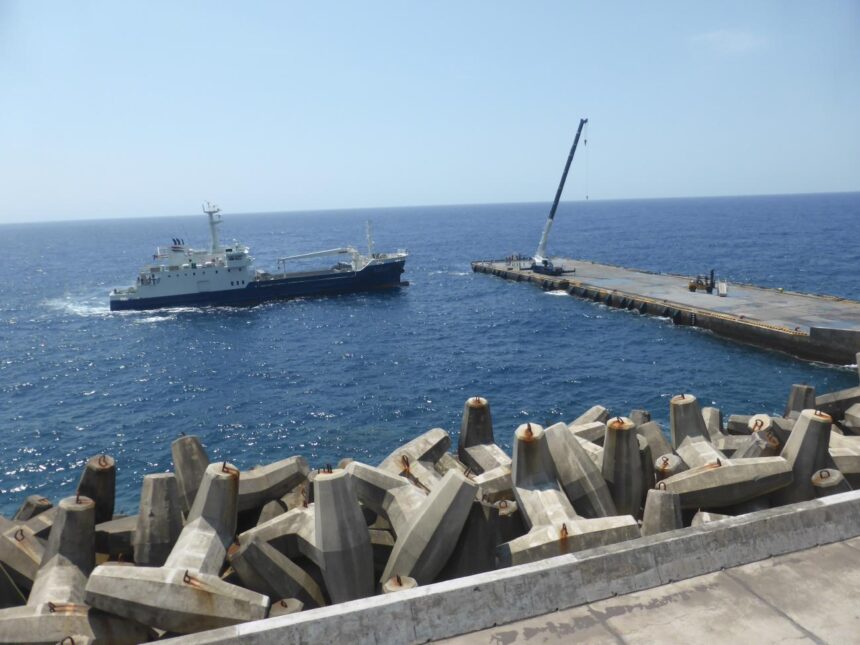
Featured image: Aogashima Maru at the Port of Sanpo by Senkaku Islands via Wikimedia Commons, licensed under CC BY-SA 4.0. Cropping or resizing may be applied for site display. Use here does not imply endorsement by the creator, Wikimedia, Izu Shoto Kaihatsu, Tokai Kisen, Toho Air Service, Tokyo Ai-Land Shuttle, Tokyo Metropolitan Government, island municipalities, tourism organizations, or public agencies.
Sources
- Izu Shoto Kaihatsu: Hachijojima to Aogashima route
- Izu Shoto Kaihatsu English island information
- UMISORA Aogashima operation status
- Tokyo Ai-Land Shuttle timetable
- Tokai Kisen operation status
- Destination Tokyo Islands access
- JMA weather warnings
- JMA tropical cyclone information
- Wikimedia Commons image page
Editorial disclosure: This is an independent travel-planning guide. It is not affiliated with Izu Shoto Kaihatsu, Tokai Kisen, Toho Air Service, Tokyo Ai-Land Shuttle, Tokyo Metropolitan Government, JMA, island municipalities, tourism organizations, Wikimedia, or the image creator.