Chofu flights are the fast island option, but not always the simplest one
Short answer: Chofu is the compact mainland gateway for New Central Airservice flights to Oshima, Niijima, Kozushima, and Miyakejima. For aviation fans, the small-aircraft experience is memorable. For travelers, the real question is whether the flight, baggage limit, ferry backup, and island transfer all fit the same trip.
Last checked: August 28, 2026 JST. Timetables, fares, purchase deadlines, baggage rules, pet rules, operation status, aircraft assignment, airport access, ferry backup, and weather conditions can change. Confirm current details with New Central Airservice, Tokyo Metropolitan Government, Tokai Kisen, Tokyo island official sources, and JMA before travel.
What Chofu connects
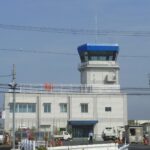
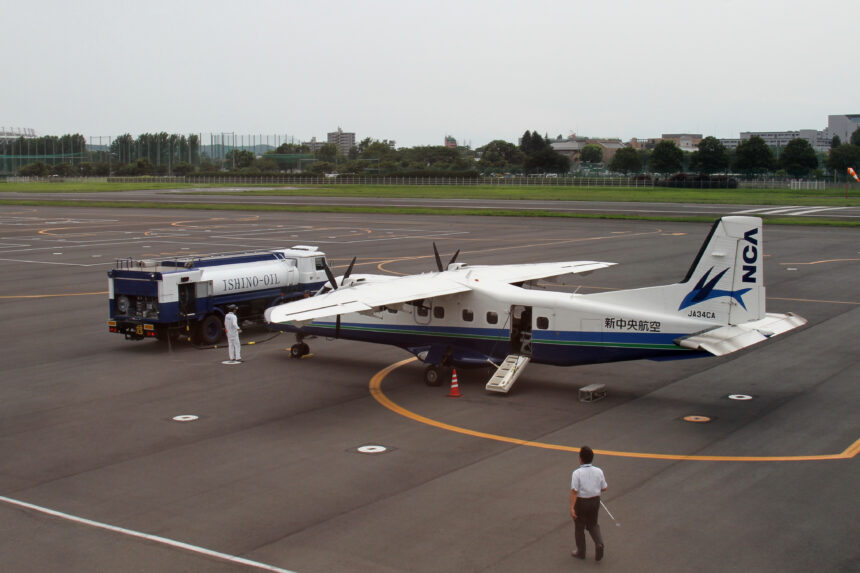
New Central Airservice’s official site describes its regular island service as connecting Chofu with Oshima, Niijima, Kozushima, and Miyakejima. Tokyo Metropolitan Government’s Chofu Aerodrome page lists the same scheduled island air routes and identifies NCA as the reservation contact. The airline’s site also describes its aircraft as the Dornier 228, a small twin-engine turboprop suited to short routes.
This makes Chofu very different from Haneda or Narita. It is not a large terminal day. It is a small-airport, small-aircraft decision that works best when you pack lightly and keep the island plan realistic.
Choose the island by trip fit
| Route family | Best fit | Check first |
|---|---|---|
| Chofu to Oshima | The easiest first Chofu island flight for many travelers because Oshima also has strong ferry backup and short-island-trip potential. | NCA status, Tokai Kisen ferries, Oshima port choice, bus / taxi timing, and baggage. |
| Chofu to Niijima | Good when the beach, surf, or island-stay plan is already the reason for travel. | Flight status, surfboard rules, ferry backup, lodging transfer, and weather. |
| Chofu to Kozushima | Useful when the route saves time for a nature or stargazing-focused stay. | Seat availability, island bus / taxi options, ferry backup, and return buffer. |
| Chofu to Miyakejima | Best for travelers who already understand that Miyakejima transport involves flight, ferry, port, and weather planning. | Airport-to-lodging transfer, ferry port alternatives, volcanic / weather conditions, and next-day risk. |
Baggage is the deciding detail
NCA’s baggage page is the page to read before buying the ticket. On the checked page, each passenger has a 5 kg free allowance including checked and carry-on baggage. Excess baggage is charged by route and may not be accepted in some cases. The same page says large items such as surfboards, fishing rods, coolers, and bicycles must be declared at booking and accepted only when confirmed.
That means Chofu flights reward light packing. A small camera kit is easy to plan. A surfboard, bicycle, cooler, tripod-heavy kit, or pet trip needs direct confirmation before the route becomes the backbone of the itinerary.
Booking, payment, and cancellation
Use NCA’s official timetable and fare page for current route details and today’s operation status. The user-guide page explains purchase deadlines, cancellation and refund fees, pet handling, and assistance-related preparation. On the checked page, the purchase deadline is within seven days including the reservation date, with different handling for passengers traveling within seven days.
Do not copy an old fare or timetable into your trip plan. Use the official route page at the time of booking, then check operation status again before going to Chofu.
Ferry backup is not optional
Tokyo island transport is weather-sensitive. Destination Tokyo Islands and GO TOKYO both warn that travel times vary by season and weather, and GO TOKYO directs readers to operator websites for details. Tokai Kisen’s English site provides ferry timetable, fare, reservation, route, ship, and baggage pages for Izu Island travel.
For Oshima, ferry backup is often realistic. For Niijima, Kozushima, and Miyakejima, ferries can still help, but the timing may turn a simple weekend into a much longer trip. When a return flight connects to work, school, or an international flight, add an overnight buffer.
Airport manners for aviation fans
- Use the Chofu terminal, official public areas, and signed passenger spaces only.
- Do not photograph from restricted areas, staff spaces, private property, or roads where stopping creates risk.
- Do not assume an old aircraft photo proves today’s aircraft assignment.
- Keep luggage compact so staff are not forced to solve a problem at the counter.
- Check JMA warnings and typhoon information when island weather is uncertain.
Related guides
- Japan Transport Fan Travel Guide
- Chofu Aerodrome Area Guide for Aviation Fans
- Japan Island and Remote Airports Guide for Aviation Fans
- Izu Oshima Ferry Guide
- Izu Oshima Travel Guide for First-Time Visitors
Photo credit
Featured image: New Central Airlines Dornier 228 JA34CA at Chofu Airport by Kentaro IEMOTO via Wikimedia Commons, licensed under CC BY-SA 2.0. Cropping or resizing may be applied for site display. Use here does not imply endorsement by the creator, Wikimedia, Flickr, New Central Airservice, Chofu Aerodrome, Tokyo Metropolitan Government, airport operators, ferry operators, tourism organizations, or public agencies.
Sources
- New Central Airservice official site
- New Central Airservice timetable and fares
- New Central Airservice baggage, pets, and cargo
- New Central Airservice user guide
- Tokyo Metropolitan Government: Chofu Aerodrome
- Destination Tokyo Islands access
- GO TOKYO: Going to Islands
- Tokai Kisen official English site
- JMA weather warnings
- JMA tropical cyclone information
- Wikimedia Commons image page
Editorial disclosure: This is an independent travel-planning guide. It is not affiliated with New Central Airservice, Chofu Aerodrome, Tokyo Metropolitan Government, Tokai Kisen, JMA, island municipalities, tourism organizations, Wikimedia, Flickr, or the image creator.