Make recovery time part of the Oshima plan
Short answer: Izu Oshima is easier to enjoy when you plan one low-energy recovery block. Use Gojinka Onsen for arrival, Hama-no-yu for a sea-view open-air bath, Oshima Onsen Hotel for a Mt. Mihara-side stay or day-use check, and Motomachi food or shopping stops when weather, buses, or ferry timing make a big route unwise.
Last checked: August 27, 2026. Hours, fees, restaurant service, hotel day-use bathing, closures, ferry operation, active ports, and bus timetables can change. Confirm current information with each official source before travel.
Best use for each stop
| Stop | Best use | Check before going |
|---|---|---|
| Island Center Gojinka Onsen | Arrival recovery, especially after an overnight ferry, with baths, sauna, pool, rest space, restaurant, lockers, and a shop. | Current hours, closed days, restaurant status, bus connection from Okada Port, and the shared 3-day pass rules. |
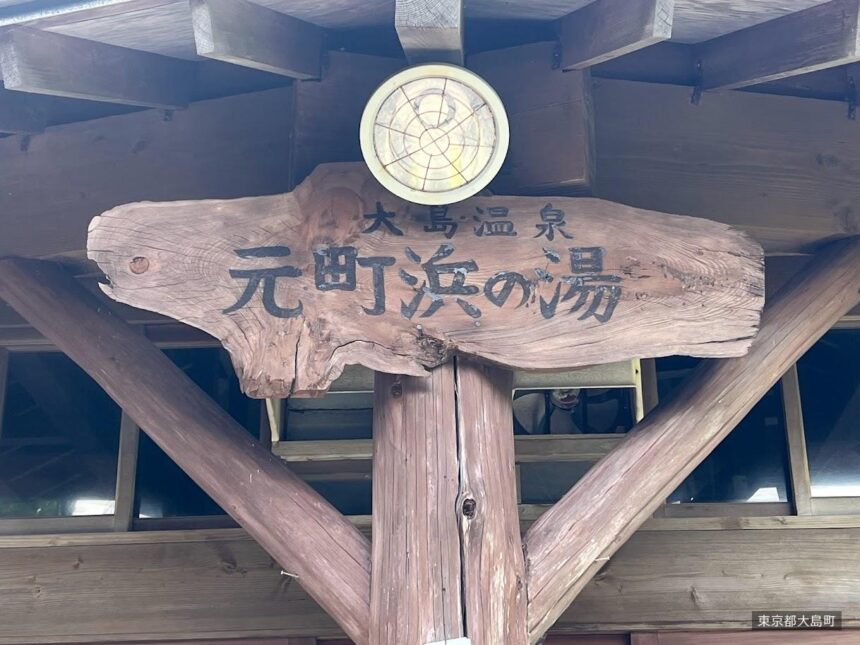
| Motomachi Hama-no-yu | Sea-view open-air bathing near Motomachi Port, especially as a simple afternoon or sunset-side stop. | Weather closure, current hours and fee, swimsuit requirement, and the fact that there is no indoor bath. |
| Oshima Onsen Hotel | A slower Mt. Mihara-side stay, hot spring view, meal-focused lodging, or possible day-use bath when operating. | Official notices, day-use availability, access, closure dates, and booking rules. |
| Motomachi and Marine Market | Food, seafood products, local shopping, or a soft landing when the island plan needs to shrink. | Shop or restaurant hours and whether your active ferry port is Motomachi or Okada. |
Gojinka Onsen: the practical first stop
Oshima Town describes Island Center Gojinka Onsen as a natural hot spring created by the volcano. Its official page says the facility opens early on days when overnight ferries arrive, so it is the most practical first recovery stop for many visitors arriving tired in the morning.
The same official page lists baths, sauna, a 25 m hot spring pool, a restaurant, rest space, lockers, and a shop. That mix matters. You are not only choosing a bath; you are choosing a place to reset, eat lightly, organize luggage, and decide whether the weather supports a bigger route.
Hama-no-yu: great view, different rules
Hama-no-yu is close to Motomachi Port and works best when the active ferry port, weather, and afternoon timing line up. Oshima Town’s official page lists it as an open-air bath with a sea view and says swimsuits are required because the bath is mixed-gender. It also notes that there is no indoor bath, and that weather can cause closures or shorter hours.
That makes Hama-no-yu a strong scenic stop, but not a backup you should treat as guaranteed. Bring swimwear, check the town page, and keep a second plan if wind, rain, or ferry-port changes are already complicating the day.
Oshima Onsen Hotel: slow down near the mountain
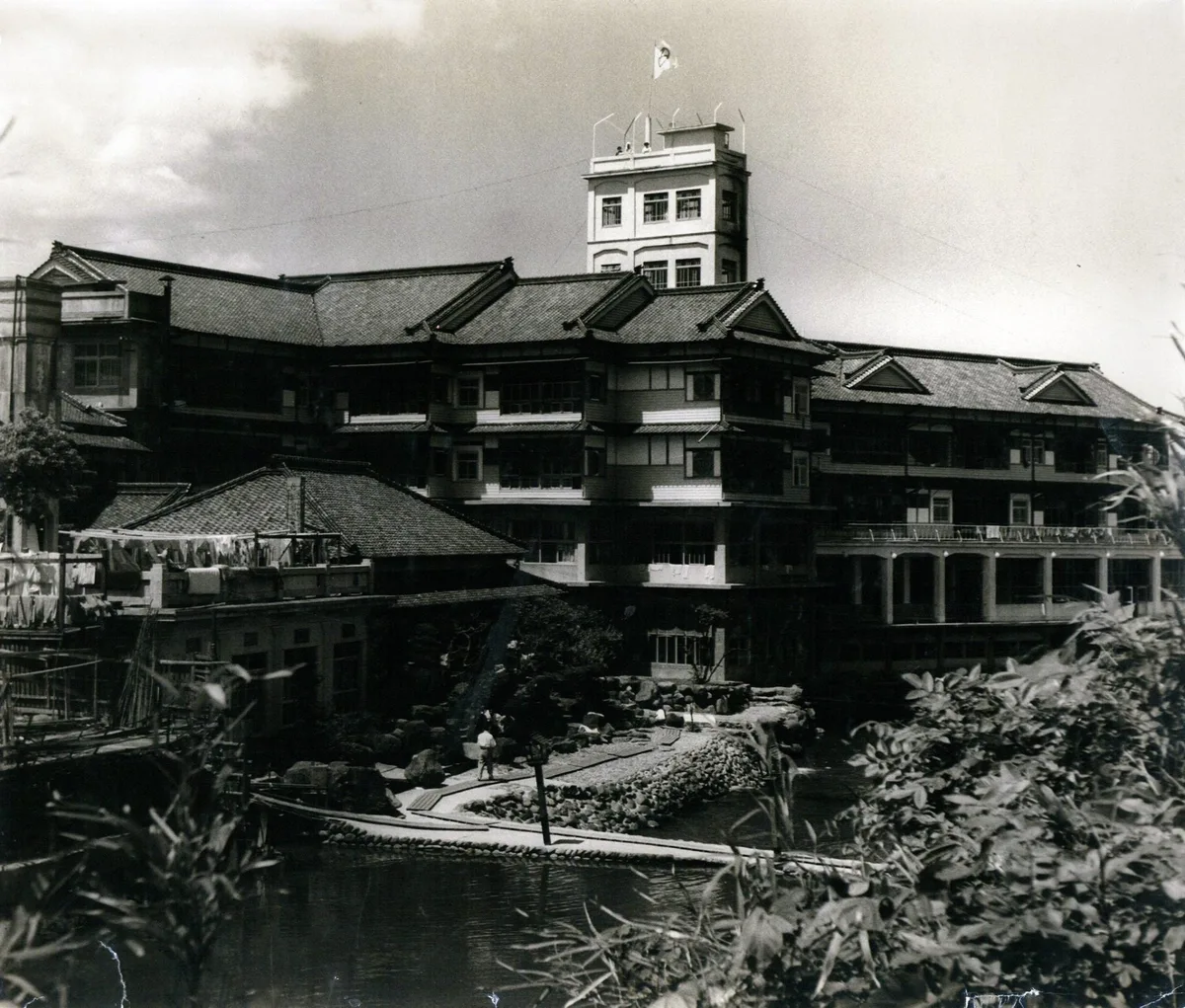
Oshima Onsen Hotel is a different kind of recovery choice. Its official site presents a hot spring with views toward Mt. Mihara, meals using local seafood and camellia oil, lodging, terrace notices, and current closure information. For travelers making Mt. Mihara the main event, it can be a base rather than a quick town stop.
Do not assume day-use bathing is always available. Check the official hotel notices first, especially around maintenance closures, lodging-only periods, weather, or operational changes.
A no-car recovery plan
If you are traveling without a car, keep this part simple. After an overnight ferry, check whether the active port is Okada or Motomachi. If you land at Okada, confirm the current Oshima Bus connection toward Motomachi or Gojinka Onsen. If you land at Motomachi, Gojinka Onsen and Hama-no-yu are the easiest pair to consider, but they still depend on current hours and weather.
Use recovery stops to protect the rest of the trip. If wind, rain, fog, heat, or bus timing makes Mt. Mihara or the south coast feel forced, choose one onsen and one easy town stop instead of chasing a fragile route.
What to bring
- Swimwear for Hama-no-yu.
- A small towel or budget to buy one locally.
- Cash backup, even if some places accept other payment methods.
- A change of clothes if the bath is before sightseeing.
- Your current ferry, bus, and accommodation details saved offline.
Related Oshima guides
- Izu Oshima Travel Guide for First-Time Visitors
- Izu Oshima by Bus Guide
- Mount Mihara and Ura-Sabaku Guide
- Izu Oshima Ferry Disruption and Rebooking Guide
Photo credit
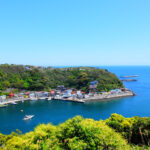
Featured image: Motomachi Hama-no-yu, from Izu Oshima Photo Studio, operated by Tokyo Oshima Town. The image is used under the site’s published terms, which allow edited commercial website use subject to restrictions. Cropping or resizing may be applied for site display. Use here does not imply endorsement by Tokyo Oshima Town, Izu Oshima Photo Studio, Oshima Town, Oshima Tourism Association, Oshima Bus, Tokai Kisen, Oshima Onsen Hotel, or any facility.
Sources
- Oshima Town: Island Center Gojinka Onsen
- Oshima Town: Motomachi Hama-no-yu
- Oshima Tourism Association: Gojinka Onsen
- Oshima Onsen Hotel official site
- Oshima Tourism Association: food and Seafood Market listings
- Oshima Bus route bus page
- Tokai Kisen operation status
- Izu Oshima Photo Studio image page and terms
Editorial disclosure: This is an independent travel-planning guide. It is not affiliated with Oshima Town, Tokyo Oshima Town, Izu Oshima Photo Studio, Oshima Tourism Association, Oshima Bus, Tokai Kisen, Oshima Onsen Hotel, or any facility.