Plan the ferry as a weather-sensitive route
Short answer: Izu Oshima is an island trip, so the ferry plan should include an operation-status check, a port check, and a backup day. Tokai Kisen is the source for actual sailing decisions. Use this guide to understand what to check and how to keep a disruption from breaking the rest of your Japan itinerary.
Last checked: August 27, 2026. Operation status, cancellation handling, refund windows, seat availability, port assignments, weather warnings, and onward transport can change. Confirm current details directly with Tokai Kisen and official weather sources before travel.
Where to check first
Use Tokai Kisen’s official operation status page before you leave for the terminal and again before your return sailing. The page explains that large passenger ship information is updated after 09:00, with a final decision around 17:00, and high-speed jet ferry decisions are around 06:00. It also says information is generally not updated at night.
That timing matters. If you are looking late at night for a final answer about the next day, the official page may not yet have the final decision. Build the itinerary so you can wait for the official update rather than relying on guesses, social posts, or yesterday’s pattern.
Port changes are disruption too
Not every difficult travel day is a full cancellation. Oshima has two ferry ports, Okada and Motomachi, and Tokai Kisen warns that arrival and departure ports may differ. A port change can affect buses, taxis, rental cars, hotel pickup, and how quickly you can reach a trail, onsen, or restaurant.
If the ship runs but the port changes, treat that as a logistics change. Reconfirm your return port, contact lodging or rental providers if needed, and avoid tight reservations immediately after arrival.
If service is cancelled
Tokai Kisen’s boarding and cancellation notes say service cancellations may occur because of natural disasters, adverse weather, or government orders, and that no cancellation fee applies in such cases. The same official notes say advance ticket holders may request a refund within 30 days at the place of purchase.
If you want to use another departure time, Tokai Kisen says a new reservation is needed. Do not assume your original seat automatically moves to the next sailing. Check availability, confirm the ship and port, and then rebuild the island-side transport plan.
Return-leg risk
The return from Oshima is the part that can create the most expensive chain reaction. Tokai Kisen states that if the return leg is cancelled, it is not responsible for lodging, meals, other transportation, or air tickets. The official notes also say the return ferry ticket remains valid and can be used later if seats are available.
That means the traveler carries the buffer risk. Do not schedule an Oshima return on the same day as an international flight, a nonrefundable domestic flight, or a high-stakes appointment unless you have accepted the risk. If sea conditions are uncertain, Tokai Kisen also notes that departure time may be moved earlier. Stay reachable and keep checking official updates.
Use weather sources wisely
The Japan Meteorological Agency provides official multilingual weather warning pages. Use JMA warnings to understand the broader weather situation, then use Tokai Kisen for the actual ferry decision. A sunny-looking morning photo is not an operation guarantee, and rough-sea decisions are not something a travel blog should predict.
Backup planning checklist
- Put Oshima earlier in the Japan itinerary when possible, not on the final critical day.
- Keep one flexible night after the island if you must connect to a flight or long-distance train.
- Check Tokai Kisen operation status at the relevant update time for your ship type.
- Check whether the active Oshima port is Okada or Motomachi for both arrival and return.
- Keep phone battery, medication, pet supplies, child supplies, and essential documents with you.
- Know how to contact lodging, rental car, taxi, and onward transport providers if the ferry changes.
- For cancellations, follow Tokai Kisen’s official refund or new-reservation process.
Related Oshima ferry guides
- Izu Oshima Ferry Guide: Ships, Tickets, Boarding, and Ports
- Izu Oshima Ports and Transfers: Okada, Motomachi, Buses, and Taxis
- Izu Oshima Ferry With a Pet: Carrier Rules, Tickets, and Backup Plans
Photo credit
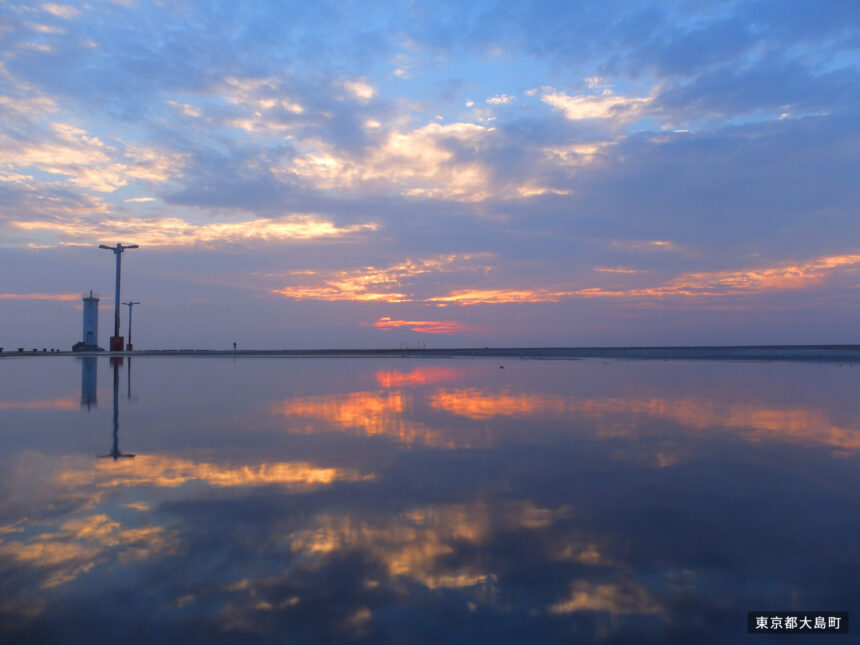
Featured image: sunset near Motomachi Port, from Izu Oshima Photo Studio, operated by Tokyo Oshima Town. The image is used under the site’s published terms, which allow edited commercial website use subject to restrictions. Cropping or resizing may be applied for site display. Use here does not imply endorsement by Tokyo Oshima Town, Izu Oshima Photo Studio, Tokai Kisen, JMA, lodging providers, or transport operators.
Sources
- Tokai Kisen operation status
- Tokai Kisen boarding flow and cancellation notes
- Tokai Kisen timetable and fare table
- Japan Meteorological Agency multilingual warnings
- Izu Oshima Photo Studio image page and terms
Editorial disclosure: This is an independent travel-planning guide. It is not affiliated with Tokai Kisen, JMA, Tokyo Oshima Town, Izu Oshima Photo Studio, lodging providers, or transport operators.