A no-car Oshima trip is possible if you make the day smaller
Short answer: You can travel around Izu Oshima without a car, but the island is not Tokyo. Use Oshima Bus as the main spine, check whether your ferry uses Okada or Motomachi, keep cash ready, and choose one main route rather than trying to visit every coast, volcano, onsen, and park in one day.
Last checked: August 27, 2026. Bus timetables, passes, fares, payments, early-arrival connections, ferry ports, taxi availability, rental services, and facility hours can change. Always confirm current details with Oshima Bus, Tokai Kisen, and local official sources before travel.
The three checks before choosing the bus
First, check the ferry or flight. Tokai Kisen’s operation status page says Oshima has two ports, Okada and Motomachi, and arrival and departure ports may differ. That single fact can change your first bus stop, taxi need, rental pickup, and return timing.
Second, check Oshima Bus directly. Its official route bus page publishes current timetable and island-map materials, and timetable periods can be seasonal. At research time, the route bus page showed a timetable period from July 1, 2026 to September 30, 2026. Treat that as a reminder to check the current page for your own travel date.
Third, check whether your day has enough slack. A no-car plan is strongest when the bus route is the itinerary. It is weaker when the bus is treated as a city-style backup after choosing remote points far apart from each other.
Where buses work best
| Plan type | Good use of the bus | Planning caution |
|---|---|---|
| Port-town time | Use Motomachi or Okada as the first anchor, then add food, onsen, or a short walk. | Check the active ferry port before choosing the first stop. |
| Mt. Mihara access | Use bus access when the weather is good and the return bus fits the walk. | Do not start a long walk without a clear return option. |
| South coast | Use Habu direction buses for a focused south-island route. | Keep the plan to one or two stops, not every viewpoint. |
| Oshima Park side | Use the park side for camellias, zoo, museum, coast, and nature-focused time. | Check seasonal opening and return transport. |
| Early large-ship arrival | Use the connection buses if they match your direction. | Oshima Bus says departure time is not fixed because ship arrival can vary. |
Payment and pass cautions
Oshima Bus FAQ says Suica, PASMO, and similar IC cards cannot be used, and that payment is cash or PayPay. It also says bus change is available only for 50 to 500 yen coins and 1,000 yen notes. Carry small cash. This is one of those small details that can save a tired arrival from becoming stressful.
The FAQ also says one-day and two-day bus tickets are sold onboard. Check current availability and conditions directly, especially if your plan depends on repeated rides. Passes are useful only when the timetable supports the route you actually want to take.
Early arrival after the large passenger ship
Oshima Bus route guidance says early large-passenger-ship arrivals around 06:00 have connection buses to island directions, and the FAQ explains that departure time is not fixed because ship arrival can vary. If you arrive this way, move to the bus stop promptly after disembarking.
Plan the first hour gently. You may be tired, the port may be Okada or Motomachi, and shops or facilities may not all be open. A good early plan is a simple direction: onsen, town, park side, Habu side, or accommodation drop-off if arranged.
When to use a taxi instead
The Oshima Tourism Association says taxis do not cruise around the island, night service is mostly not operating, most taxis wait at ports or the airport, and travelers should call by phone. A taxi can be useful, but it should be arranged or confirmed when timing matters.
Use a taxi if luggage is heavy, the bus timing is poor, the destination is far from the route, weather is bad, or your return ferry is tight. If a taxi cannot be confirmed, simplify the route rather than forcing a fragile plan.
What not to do on a no-car day
- Do not assume the ferry will arrive at the port you prefer.
- Do not build a route from old bus screenshots.
- Do not rely only on IC cards for payment.
- Do not put Mt. Mihara, Habu Port, Oshima Park, an onsen, and a coast walk into one short day by bus.
- Do not leave the return bus until the final possible option.
- Do not assume taxis operate like central Tokyo taxis.
A simple first no-car route
For a first no-car visit, choose one of three shapes. The easy shape is port town plus onsen or short coastal time. The volcano shape is Mt. Mihara first, with a weather-friendly backup. The nature shape is Oshima Park or one coast-side area, with a clear return. All three are better than a crowded checklist.
If you want a wider island loop, consider staying overnight or renting a vehicle. No-car travel is not a failure; it just needs a tighter design.
Related guides
- Izu Oshima Travel Guide for First-Time Visitors
- Izu Oshima Ferry Guide
- Izu Oshima Ports and Transfers Guide
- Izu Oshima Ferry Disruption and Rebooking Guide
Photo credit
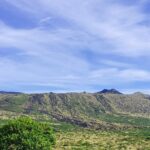
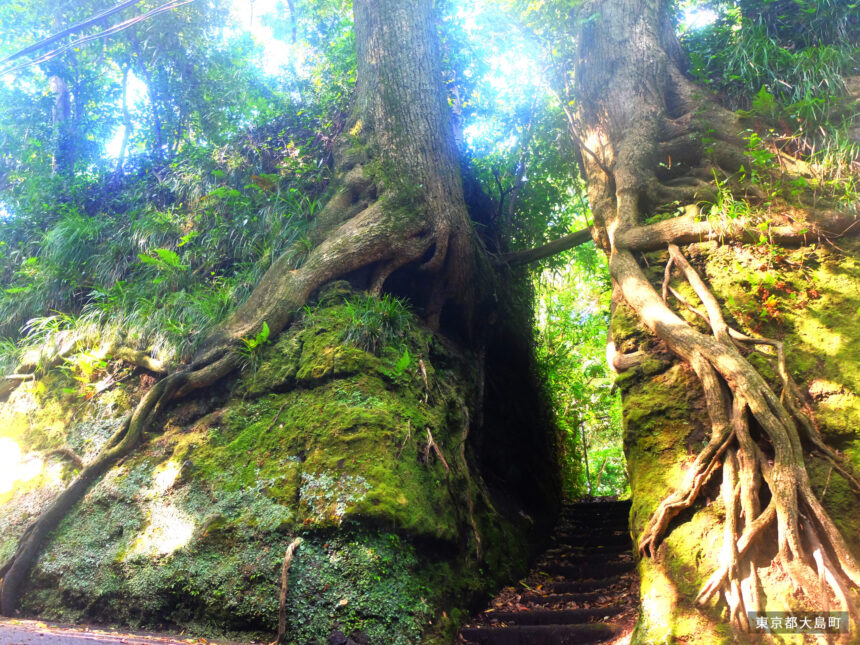
Featured image: Senzu cut-through scenery, from Izu Oshima Photo Studio, operated by Tokyo Oshima Town. The image is used under the site’s published terms, which allow edited commercial website use subject to restrictions. Cropping or resizing may be applied for site display. Use here does not imply endorsement by Tokyo Oshima Town, Izu Oshima Photo Studio, Tokai Kisen, Oshima Bus, taxi companies, rental providers, or tourism operators.
Sources
- Oshima Bus route bus page
- Oshima Bus FAQ
- Oshima Bus official site
- Oshima Tourism Association transport page
- Tokyo Treasure Island Oshima transport page
- Tokai Kisen operation status
- Tokai Kisen boarding flow
- Izu Oshima Photo Studio image page and terms
Editorial disclosure: This is an independent travel-planning guide. It is not affiliated with Oshima Bus, Tokai Kisen, Tokyo Metropolitan Government, Oshima Tourism Association, Tokyo Oshima Town, Izu Oshima Photo Studio, taxi companies, rental providers, or tourism operators.