Shellfish and Seafood Allergies in Japan: Sushi, Stock, and Fryer Cautions
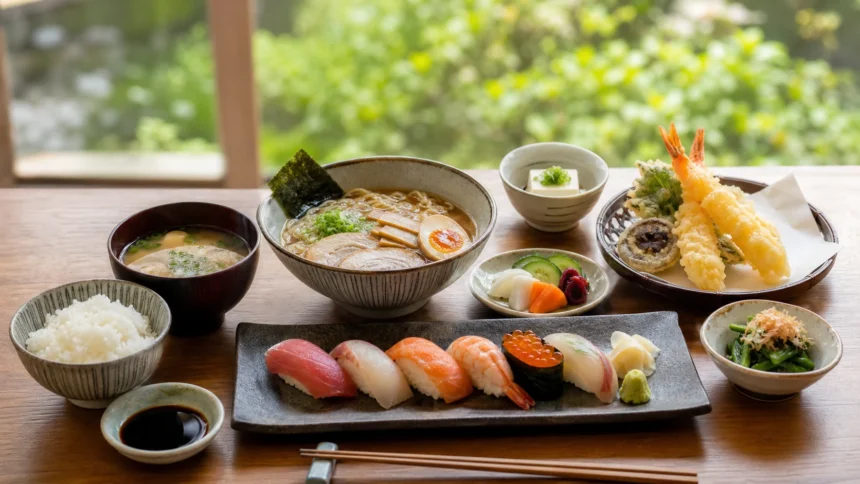
Short answer: Shellfish and seafood allergies in Japan require caution with sushi, stock, sauces, ramen, tempura, okonomiyaki, shared fryers, and hidden seafood seasonings.
This cluster supports Japan Food Safety and Label Reading Hub. Use the parent for the broader map, then use this page for the specific decision.
Last checked: August 16, 2026. Menus, prices, hours, reservation systems, labels, ingredients, hotel rules, payment methods, and venue policies can change. Confirm current details with the exact shop, venue, hotel, operator, official label, or official source before relying on them.
When this page is useful
Seafood is common in Japan, but the risk is not limited to visible fish or shellfish. Stock, flakes, sauces, toppings, batter, frying oil, and shared tools can matter.
This topic should be treated as a traveler decision, not a simple list. The right answer depends on route, timing, group energy, budget, weather, dietary boundaries, and how much uncertainty the traveler can safely accept.
Quick chooser
| Situation | Best starting point | Check first |
|---|---|---|
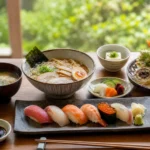
| Sushi | Check fish, shellfish, roe, sauces, and tools | Counter flow can make separation difficult. |
| Noodles | Ask about stock and toppings | Broths may include seafood. |
| Fried food | Check batter and shared fryers | Tempura and fried sides can share oil. |
| Street food | Check sauces, flakes, and fillings | Seafood can appear as topping. |
| Unclear answer | Choose a safer restaurant or packaged backup | Do not rely on appearance. |
Safety and verification workflow
Use official sources for rules that can affect safety, money, reservations, or access. For food labels and allergies, separate packaged-food information from restaurant meals. Packaged-food labels can help, but restaurant menus, sauces, stock, shared tools, and cross-contact require venue-level confirmation.
If the answer is unclear, choose a safer backup. This is especially important for allergy, gluten-free, religious dietary, vegetarian, vegan, hotel delivery, and late-arrival decisions. A backup meal is not a weaker travel experience; it is what keeps the day from breaking.
How to fit it into an itinerary
Place this decision near an existing route anchor: hotel, station, attraction, shopping area, event venue, or planned rest stop. Avoid crossing the city for a food choice unless it is the day’s main goal. For families and groups, protect seating and energy. For solo travelers, protect timing and payment clarity. For strict diets, protect verification first.
For a smoother trip, compare the current official information for the exact venue, product, service, or route. Choose the option that fits your itinerary, budget, and group, and keep a nearby alternative in case the first plan does not work.
Seafood Allergy Checks at Restaurants and Markets
Seafood planning needs more than avoiding visible fish: check stock, sauces, shared fryers, market samples, and mixed dishes.
- Name the exact seafood category and severity; fish, shellfish, crustaceans, and mollusks are not one interchangeable question.
- Ask about dashi, sauces, toppings, fryer oil, grill surfaces, sushi counters, and market samples.
- Use a sealed meal or a preverified restaurant as the fallback, especially on a long train day or remote route.
FAQ: Questions Travelers Often Ask
- Is a vegetarian dish automatically seafood-free? Not always; stock and seasoning still need checking.
- Can a market vendor answer every question? No. If the ingredients or preparation are unclear, skip that item.
Common mistakes
- Relying on an old social post for current details.
- Assuming one shop, hotel, product, chain, or city rule applies everywhere.
- Using photos or English titles as ingredient confirmation.
- Forgetting last order, cancellation rules, delivery access, payment, rubbish, or weather.
- Publishing or following advice without checking the official source for mutable facts.
Related guides
Japan Food Safety and Label Reading Hub | Practical Food Guides in Japan | Japanese Food Basics
Sources
- Consumer Affairs Agency: Food allergy labeling information
- JNTO: Japanese food and drink
- JNTO: Dining out in Japan
Editorial disclosure: This guide is independent and does not provide medical advice, certify dietary safety, or rank specific restaurants, hotels, brands, venues, apps, or booking services.