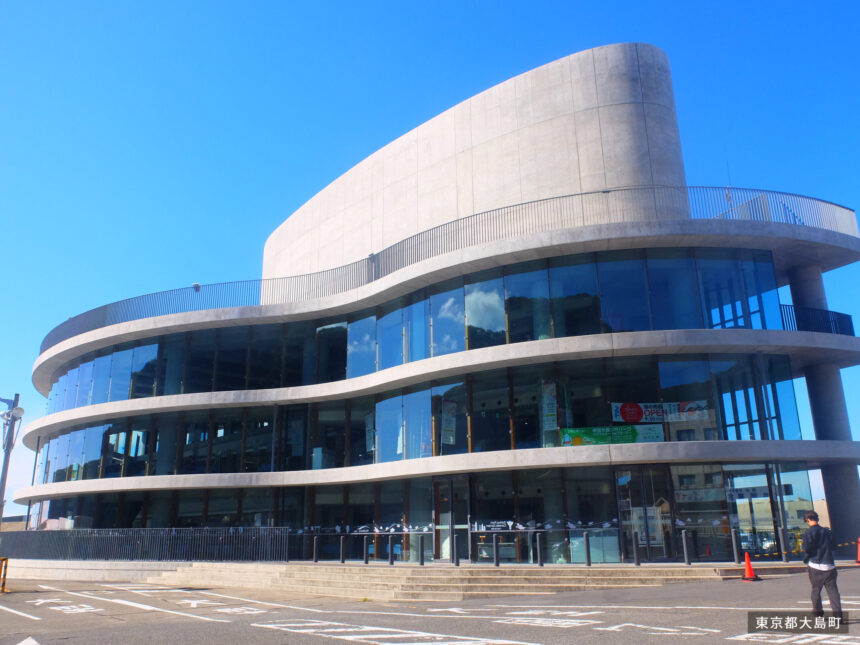
Oshima Ferry Pet Rebooked Departure Bus After-Exit Lodging Morning Route Cue Heard Repeat Back Guide
Short answer: When you hear a cue, repeat back the route, place, time, and pet-carrier condition in one short sentence before moving. If the other person does not confirm, stay in place and ask again.
Last checked: August 27, 2026. Ferry operation status, port choice, bus operation, taxi availability, lodging pickup, checkout timing, waiting-place permission, pet rules, staff messages, announcements, display changes, weather, warnings, road conditions, vehicle drop-off points, counter replies, payment handling, terminal access, boarding procedures, and local conditions can change. Always follow current Tokai Kisen, JMA, Oshima Tourism Association, Izu Oshima Navi, terminal, lodging, driver, and local staff guidance.
Repeat Before You Move
After a long delay, rebooking, bus transfer, or lodging pickup change, a traveler can hear the right cue and still move on the wrong detail. The problem is rarely one big mistake. It is usually a small gap: the right bus but wrong stop, the right lodging name but wrong entrance, the right ferry but unclear port, or the right staff member but a cue meant for another group.
The safest habit is a repeat-back. Say the instruction back in one plain sentence before leaving your hold position. This gives the other person a chance to correct the route, place, time, or pet-carrier condition while you are still standing still.
Use A Four-Part Sentence
Your repeat-back does not need polished English. It only needs the four parts that can change your next move: route, place, time, and carrier condition.
A useful sentence is: “So I should go to this place now, with the carrier closed, for this route.” Replace “this place” and “this route” with the actual names you heard. If you cannot name them, you are not ready to move.
Repeat The Ferry Layer
Tokai Kisen’s operation-status page is the current ferry reference for Oshima and tells users to refresh before checking. It also separates Oshima-bound and Oshima-departing information and notes Oshima’s two ports. If a cue includes a ferry, port, departure time, ship, counter, or boarding gate, repeat back the ferry layer before you step away.
For example: “Tokyo-bound, Okada Port, this departure, correct?” That sentence is short, but it tests the exact point where many rushed movements go wrong.
Repeat The Boarding Layer
Tokai Kisen’s boarding-flow guidance treats boarding as an announced process, with tickets handed over at the gate. If people nearby begin moving before you understand the announcement, do not treat crowd motion as your cue.
Ask or repeat: “Boarding after this announcement, this gate, this ticket, correct?” If the reply is not clear, keep your place and ask again.
Repeat The Pet-Carrier Layer
Tokai Kisen’s pet guidance requires pets to stay in a cage or basket within stated limits, with face and body inside. A cue is not complete if it ignores the carrier. Before moving, repeat the pet part too.
Try: “Carrier closed and held here, then move, correct?” If the carrier is open, slipping, overheating, or blocking a path, first reset it. A correct direction becomes safer only when the carrier is ready for that direction.
Repeat The Weather Layer
JMA warning, advisory, and forecast pages provide official weather context for wind, waves, rain, heat, temperature, and precipitation. A cue may be correct but still require a careful route if the next segment is exposed.
Repeat the weather-sensitive part: “Use that covered side, then the entrance, correct?” If rain, wind, heat, waves, or footing feels different from the cue you heard, pause and confirm the route again.
Repeat The Local Transport Layer
Oshima Tourism Association and Izu Oshima Navi list local transport context such as buses, taxis, route planning, and port-dependent movement. When the cue involves a bus, taxi, pickup car, or lodging transfer, the identity of the vehicle matters more than speed.
Say back one marker: bus stop, vehicle color, driver name, lodging name, entrance, or pickup point. “This vehicle to the lodging entrance, correct?” is better than walking toward a car because someone waved.
Repeat The Lodging Layer
Accommodation and local transport information can help you frame the question, but the final pickup point or waiting place may come from the lodging, driver, or local staff. Do not compress that into “hotel” or “pickup” if the property has more than one entrance or if the port changed.
Repeat the exact lodging cue: “Front entrance, not the side entrance, correct?” or “Stay at this waiting point until the pickup, correct?”
If The Reply Is Only A Nod
A nod can be enough for a simple gesture, but it is weak confirmation for a changed route with a pet carrier. If the consequence of being wrong is high, ask for a spoken or pointed confirmation.
Keep it kind: “Sorry, just to confirm, this route and this place?” You are not challenging the person. You are reducing confusion before anyone has to chase a mistake.
If You Repeated The Wrong Thing
The best outcome of a repeat-back is not always confirmation. Sometimes the other person corrects you. That is a win because the correction happens before movement.
If corrected, stop the old plan in your head. Repeat the corrected version once more: “Not that stop; this stop. Correct?” Then move only after the corrected cue is stable.
Keep The Sentence Short
Do not explain the whole delay history. Staff, drivers, and lodging teams need the next actionable detail, not every earlier change. Long explanations can hide the key word.
Use this pattern: “This route, this place, now, carrier closed, correct?” It sounds simple because it is supposed to be simple.
Cue Heard Repeat-Back Checklist
- Stay still after hearing the cue.
- Name the route or service you think the cue belongs to.
- Name the exact place, gate, stop, entrance, vehicle, or waiting point.
- Name the timing if the cue includes “now,” “wait,” “next,” or a departure time.
- Include the pet carrier if movement, boarding, bus use, taxi use, or waiting position depends on it.
- Refresh Tokai Kisen status if ferry, port, ship, departure, or boarding detail matters.
- Use JMA context if weather changes the safest route.
- Ask for a spoken or pointed confirmation if a nod is not enough.
- If corrected, repeat the corrected cue once more.
- Move one short segment, then recheck the next cue.
Sources
- Tokai Kisen operation-status page
- Tokai Kisen boarding flow
- Tokai Kisen pet page and pet-ticket information
- JMA weather warning and advisory page
- JMA forecast-services explanation
- Oshima Tourism Association local transport page
- Oshima Tourism Association accommodation page
- Izu Oshima Navi transportation page
- Izu Oshima Photo Studio source image page
Editorial disclosure: This guide was prepared from official ferry, weather-agency, tourism-association, local-guide, and source-image pages checked on August 27, 2026. It is an independent planning guide and does not replace current Tokai Kisen operation status, JMA warnings or advisories, ticket handling, rebooking decisions, pet-ticket decisions, pet acceptance, fare amounts, payment handling, receipt handling, announcements, display changes, staff calls, baggage handling, arrival-port decisions, departure-port decisions, lodging policies, checkout timing, key or card handling, room checks, waste handoff, carrier route, waiting-place permission, first outdoor stop safety, route-start instructions, driver identity checks, vehicle identity checks, bus-stop directions, cue mismatch decisions, corrected-cue decisions, checkpoint-clear decisions, next-move decisions, arrival rechecks, continue-or-hold decisions, hold-position decisions, carrier-comfort decisions, next-cue listening decisions, cue-heard repeat-back decisions, ferry-layer confirmations, boarding-layer confirmations, pet-carrier confirmations, weather-layer confirmations, local-transport confirmations, lodging-layer confirmations, correction handling, final terminal approach instructions, counter replies, line management, line position, moving-line decisions, pause-and-rejoin decisions, final staff cue decisions, final cue advance, stop-or-reset decisions, reset-complete readvance decisions, final belongings counts, belongings-count mismatch recovery, mismatch-recovered rejoin decisions, rejoined-flow final staff confirmations, staff-confirmed final moves, final-move cue-change stops, cue-change reconfirmation, reconfirmed-cue final advance, final-advance arrival checks, next-action decisions, final staff confirmations, staff-confirmed next-action execution, next-action execution cue-change stops, cue-change stop restart confirmations, reconfirmed restart first moves, first-move checkpoint pauses, checkpoint-clear next-move decisions, next-move instruction repeat-backs, confirmed-instruction note preparation, note-ready show-and-move decisions, next-checkpoint note matching, note mismatch stop-and-ask decisions, corrected-note restart decisions, restart first-check decisions, restart first-check mismatch decisions, reconfirmed return-to-checkpoint decisions, returned-checkpoint rejoin decisions, rejoined-flow change stop decisions, flow-change cue reconfirmation, reconfirmed-cue note-and-move decisions, cue-note arrival recheck decisions, arrival-recheck next-action decisions, next-action entry-flow decisions, entered-flow first-stop decisions, first-stop exit-reconfirmation decisions, exit-reconfirmed continue decisions, continued-flow second-cue decisions, second-cue match advance decisions, advanced-checkpoint recheck decisions, checkpoint-rechecked hold-or-move decisions, hold-confirm staff-cue decisions, staff-cue confirmed movement decisions, confirmed-move midpoint checks, midpoint cue-change decisions, cue-change stop-and-ask decisions, stop-and-ask reconfirmed-cue decisions, reconfirmed-cue named-point movement decisions, named-point arrival recheck decisions, arrival-recheck next-named-point decisions, next-named-point repeat-back decisions, repeat-back corrected-point decisions, corrected-point movement decisions, morning transport, pickup arrangements, staff contact methods, emergency contact methods, taxi availability, vehicle identity, road conditions, charging permission, translation support, outlet access, Wi-Fi access, staff replies, translation accuracy, or local staff instructions.