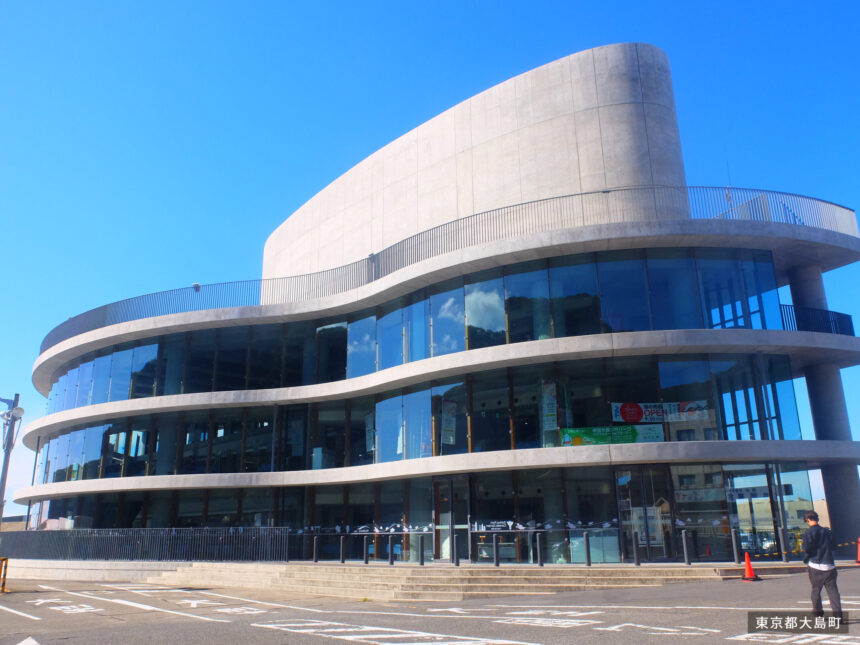
Oshima Ferry Pet Rebooked Departure Bus After-Exit Lodging Morning Route Final Approach To Terminal Guide
Short answer: After the last irreversible step is cleared on Izu Oshima, make the final approach to the ferry terminal or counter as a compact, low-drama movement. Keep the carrier closed, luggage tight, tickets and phone ready, port and boarding time current, and staff instructions ahead of assumptions.
Last checked: August 25, 2026. Ferry operation status, port choice, bus operation, taxi availability, lodging pickup, checkout timing, waiting-place permission, pet rules, staff messages, weather, warnings, road conditions, vehicle drop-off points, counter lines, terminal access, boarding procedures, and local conditions can change. Always follow current Tokai Kisen, JMA, Oshima Tourism Association, Izu Oshima Navi, terminal, lodging, driver, and local staff guidance.
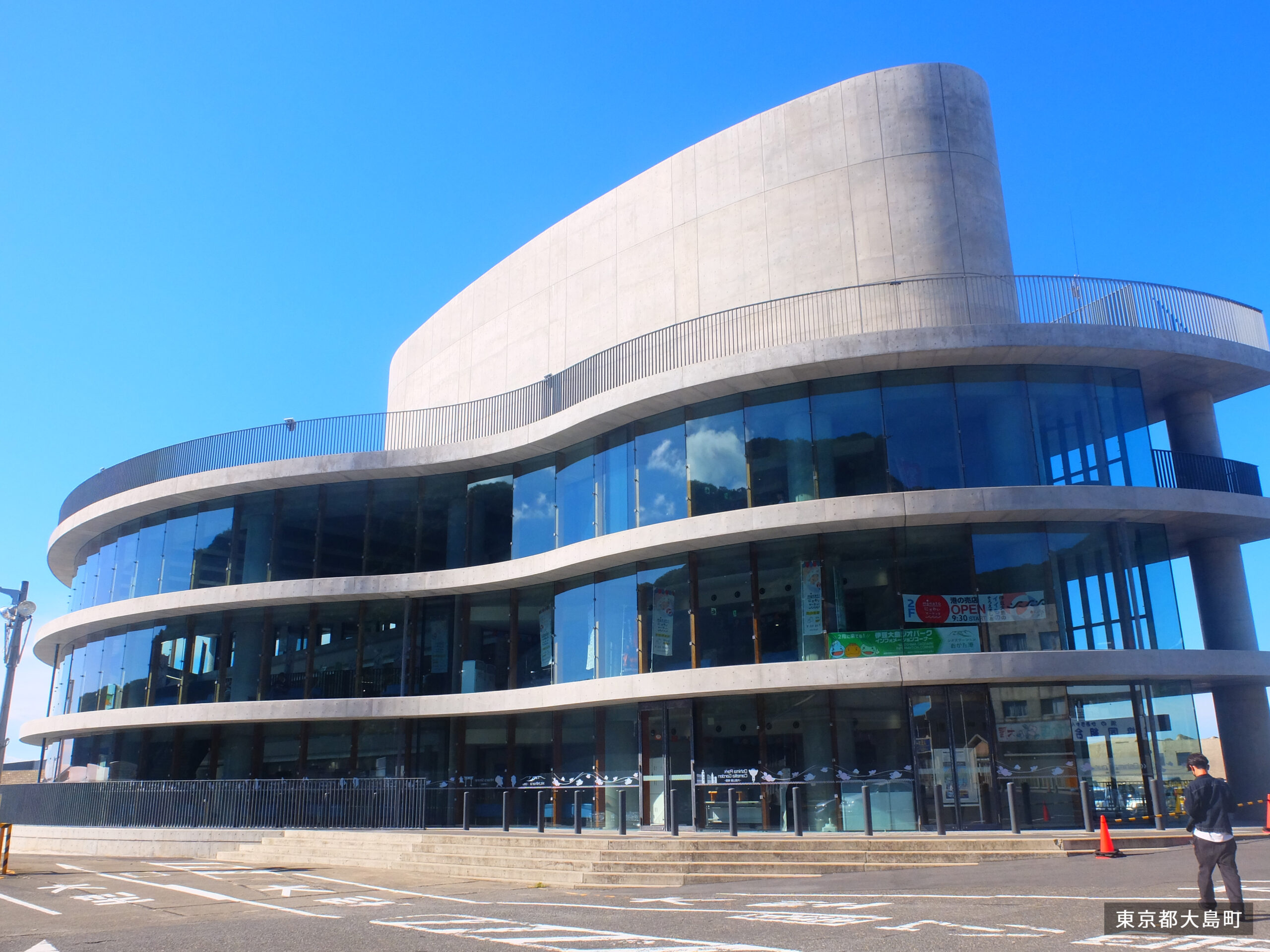
Compress The Group Before The Terminal
The final approach is the short movement from the confirmed road crossing, bus stop, vehicle drop-off, shelter, or waiting place to the terminal door, counter, boarding-procedure area, or staff-confirmed waiting position. It looks simple, but it is where luggage spreads, phones disappear into pockets, and people drift toward different lines.
Pause before entering the flow. Put the carrier, suitcase, day bag, tickets, phone, charger, payment, pet supplies, and waste bag under one person’s verbal count. Then move as one compact group.
Keep The Current Port Visible
Tokai Kisen’s operation-status page is the official reference for current Oshima ferry operation and port information. The page tells users to refresh before checking the listed information and notes that Oshima uses both Okada Port and Motomachi Port.
Before you walk into a counter line or terminal queue, restate the port name, sailing direction, and departure time. If the sign, staff cue, bus destination, driver message, or traveler’s ticket does not match that information, stop outside the flow and ask.
Approach The Counter With One Question Ready
Tokai Kisen’s boarding-flow page says boarding procedures should be completed early and warns that some reservations may be forfeited if procedures are not completed 15 minutes before departure. Its FAQ advises arriving around one hour before a large passenger ship and 30 minutes before a high-speed jet ferry.
At the counter or staff position, do not open with the whole story. Prepare one direct question: “Is this the correct counter for this departure and pet ticket?” or “Should we wait here with this carrier?” Short questions are easier to answer in a busy terminal.
Keep The Carrier Closed Through The Flow
Tokai Kisen’s FAQ says pets can be brought aboard if placed in an acceptable cage or carry-on with body parts not visible, and the pet page says open tote-like bags cannot be accepted. The final approach should protect that setup instead of testing it.
Keep the carrier closed, level, ventilated, and visible. Do not place it in a doorway, vehicle lane, bus step, counter gap, or queue corner where another traveler may trip or where air openings may be blocked.
Separate Waiting From Blocking
A terminal approach often includes waiting, but waiting is not the same as standing wherever you arrived. Keep entrance doors, road edges, vehicle doors, bus stops, ticket windows, vending areas, restrooms, and staff lanes clear.
If you are unsure where to wait with luggage and a pet carrier, ask before settling. This is especially important when a rebooked departure has changed the usual rhythm and other travelers are also seeking instructions.
Use Weather Before You Leave Shelter
JMA provides warning and advisory information, and its forecast-services explanation covers weather, winds, coastal ocean waves, temperatures, and precipitation probability. Weather can change the final approach even when the port and ticket are correct.
If rain, wind, heat, low visibility, or wave-related uncertainty makes outdoor movement harder with a carrier and luggage, wait under shelter or ask staff where to stand. Do not let boarding pressure push the group into an exposed place too early.
Do Not Assume Another Ride Is Easy
Oshima Tourism Association notes that cruising taxis are not available and night taxi operation is very limited, while Izu Oshima Navi lists route buses, sightseeing buses, taxis, rental cars, rental motorcycles, and rental bicycles. Near the terminal, a wrong assumption can still cost time.
If the bus, taxi, pickup vehicle, or drop-off point is part of the final approach, confirm it before unloading every bag. If the vehicle or stop is wrong, keeping luggage compact makes the recovery much easier.
Choose The Right Position
The best final position is not always the closest point to the door. It is the place where the group can hear staff, watch the line, keep the carrier calm, protect luggage, and avoid blocking other people.
Once you choose that position, keep the phone screen and ticket easy to show. If a staff member changes the waiting place, move slowly and count the belongings again before the group splits.
Final Approach To Terminal Checklist
- Restate the current port, sailing direction, and departure time before entering the terminal flow.
- Keep tickets, phone, payment, and pet-ticket question ready.
- Keep the carrier closed, level, ventilated, and visible.
- Count suitcase, day bag, document pouch, charger, pet supplies, and waste bag.
- Stay clear of entrances, counters, road edges, vehicle doors, bus stops, and staff lanes.
- Use JMA weather information before leaving shelter or standing outside.
- Ask one direct question if the counter, line, waiting place, or vehicle cue is unclear.
- Follow staff instructions over assumptions from the original plan.
Sources
- Tokai Kisen operation-status page
- Tokai Kisen boarding flow
- Tokai Kisen FAQ
- Tokai Kisen pet page and pet-ticket information
- JMA weather warning and advisory page
- JMA forecast-services explanation
- Oshima Tourism Association local transport page
- Oshima Tourism Association accommodation page
- Izu Oshima Navi transportation page
- Izu Oshima Photo Studio source image page
Editorial disclosure: This guide was prepared from official ferry, weather-agency, tourism-association, local-guide, and source-image pages checked on August 25, 2026. It is an independent planning guide and does not replace current Tokai Kisen operation status, JMA warnings or advisories, ticket handling, rebooking decisions, pet acceptance, baggage handling, arrival-port decisions, departure-port decisions, lodging policies, checkout timing, payment timing, key or card handling, room checks, waste handoff, carrier route, waiting-place permission, first outdoor stop safety, route-start instructions, driver identity checks, vehicle identity checks, bus-stop directions, cue mismatch decisions, confirmed movement instructions, mid-move safety, last-step decisions, final terminal approach instructions, counter instructions, line management, belongings responsibility, morning transport, pickup arrangements, staff contact methods, emergency contact methods, taxi availability, vehicle identity, road conditions, charging permission, translation support, outlet access, Wi-Fi access, staff replies, translation accuracy, or local staff instructions.