Oshima Ferry Pet Rebooked Departure Bus After-Exit Lodging Morning Route Returned Checkpoint Rejoin Guide
Short answer: After returning to the confirmed checkpoint on Izu Oshima, rejoin only the live flow named by staff, driver, lodging, or the current sign; keep the carrier and luggage controlled, show the corrected note if needed, and enter the line, counter, gate, vehicle point, or waiting area only when ticket, pet proof, weather, and next cue match.
Last checked: August 25, 2026. Ferry operation status, port choice, bus operation, taxi availability, lodging pickup, checkout timing, waiting-place permission, pet rules, staff messages, announcements, display changes, weather, warnings, road conditions, vehicle drop-off points, counter replies, payment handling, terminal access, boarding procedures, and local conditions can change. Always follow current Tokai Kisen, JMA, Oshima Tourism Association, Izu Oshima Navi, terminal, lodging, driver, and local staff guidance.
Rejoin The Live Flow, Not The Old Flow
After returning to a confirmed checkpoint, do not assume your old place in a line, waiting group, counter flow, gate path, bus stop, or pickup point still exists. The flow may have changed while you were away.
Use the current sign, announcement, staff cue, driver cue, lodging message, or counter reply. If the rejoin point is unclear, ask where to enter before moving into the flow.
Show The Corrected Note If Needed
A short corrected note can help staff or a driver see what was confirmed. Show it without blocking a doorway, counter, vehicle path, gate, bus queue, taxi space, road edge, or luggage stream.
Keep the phone or paper low enough that you can still watch your bags, carrier, and the people moving around you.
Rejoin Without Cutting
If a line formed while you were confirming, ask where to rejoin. Do not push into the old place unless staff clearly directs you there.
With a pet carrier and luggage, a calm rejoin is safer than a rushed correction. Make space, keep bags close, and let the public flow stay predictable.
Match Ferry And Port Before Rejoining
Tokai Kisen’s operation-status page is the current ferry reference and advises users to refresh before checking listed information. It also notes that Oshima has two ports and that outward and return ports may differ.
Oshima Tourism Association explains that Okada Port and Motomachi Port are used depending on sea conditions and that the departure port is not known until the day itself. Before rejoining a ferry-related checkpoint, match the port, sailing, counter, gate, line, or waiting place with the live cue.
Match The Boarding Stage
Tokai Kisen’s boarding-flow page says boarding procedures should be completed early and warns that reservations may be forfeited if procedures are not completed 15 minutes before departure. Boarding begins after the boarding commencement is announced, and tickets are handed over at the boarding gate.
Before entering a boarding flow, confirm whether you are rejoining procedure, payment, waiting, announcement listening, line movement, gate movement, or ticket handover.
Match Pet Proof And Carrier State
Tokai Kisen’s pet page says pets must be in a cage or basket within the stated size limit with face and body not visible. It says open tote-style bags cannot be accepted, and pet-ticket purchase is handled at the counter by showing the passenger ticket and stating the destination.
Keep passenger ticket, boarding card, pet-ticket proof, phone, payment, and ID reachable before rejoining. Keep the carrier closed, level, ventilated, visible, and away from feet, wheels, doors, gates, counters, and vehicle paths.
Match Weather And Waiting Place
JMA’s forecast-services explanation includes weather, winds, coastal ocean waves, temperatures, and precipitation probability, and its warning and advisory pages are the official place to check hazardous weather conditions.
If rejoining means waiting outdoors, moving through wind or rain, crossing exposed ground, or standing near vehicles, confirm whether the waiting point is still suitable. Ask for a sheltered alternative when conditions feel wrong.
Match Local Transport Flow
Oshima Tourism Association lists local transport options including buses, taxis, rental cars, rental motorcycles, and rental bicycles, and notes practical taxi limitations. Izu Oshima Navi provides local transport and route-search context, including caution that the two-port situation can affect bus timetable display.
If the checkpoint is a bus stop, taxi point, pickup vehicle, driver meeting place, road direction, or lodging transfer, rejoin only the flow named by the responsible source. Ferry staff confirmation does not automatically confirm a local transport queue.
Stop Again If The Flow Changes
Once you rejoin, keep watching the next live cue. If the line moves differently, the gate changes, a driver calls another name, weather worsens, or the waiting place shifts, step aside and ask again.
Rejoining is not the end of checking. It is the start of the next short confirmed segment.
Returned Checkpoint Rejoin Checklist
- Rejoin only the current flow named by staff, driver, lodging, sign, announcement, or counter reply.
- Ask where to rejoin if a line, counter, gate, bus stop, vehicle point, or waiting group changed while you were away.
- Do not cut into a line or assume the old position remains valid.
- Refresh or recheck Tokai Kisen operation status when ferry, port, sailing, counter, or gate information matters.
- Confirm the boarding stage before entering procedure, payment, waiting, line, gate, or ticket handover flow.
- Keep passenger ticket, boarding card, pet-ticket proof, phone, payment, ID, and bags reachable.
- Keep the carrier closed, level, ventilated, visible, and away from doors, wheels, feet, counters, gates, roads, and vehicle paths.
- Stop again if the live flow changes after you rejoin.
Sources
- Tokai Kisen operation-status page
- Tokai Kisen boarding flow
- Tokai Kisen FAQ
- Tokai Kisen pet page and pet-ticket information
- JMA weather warning and advisory page
- JMA forecast-services explanation
- Oshima Tourism Association local transport page
- Oshima Tourism Association accommodation page
- Izu Oshima Navi transportation page
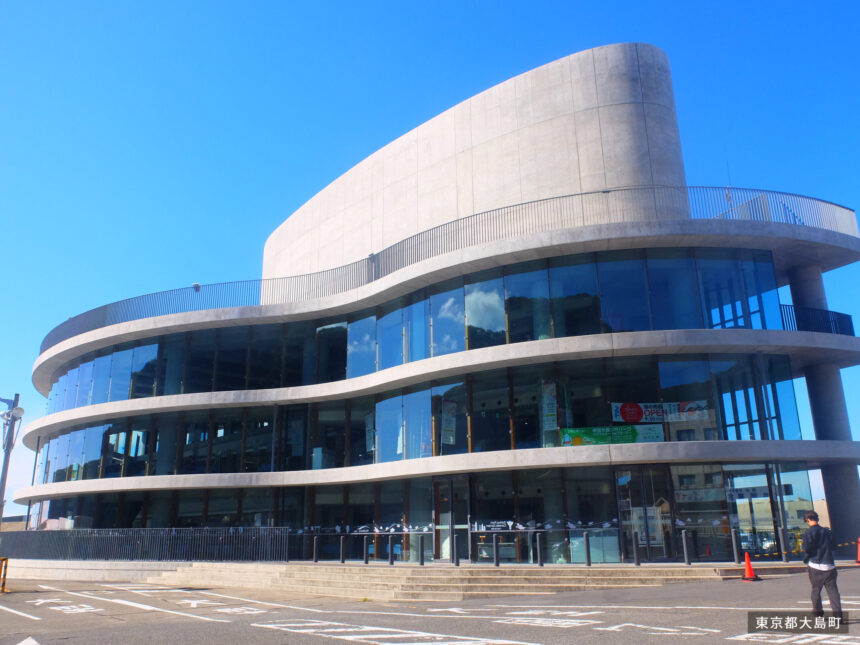
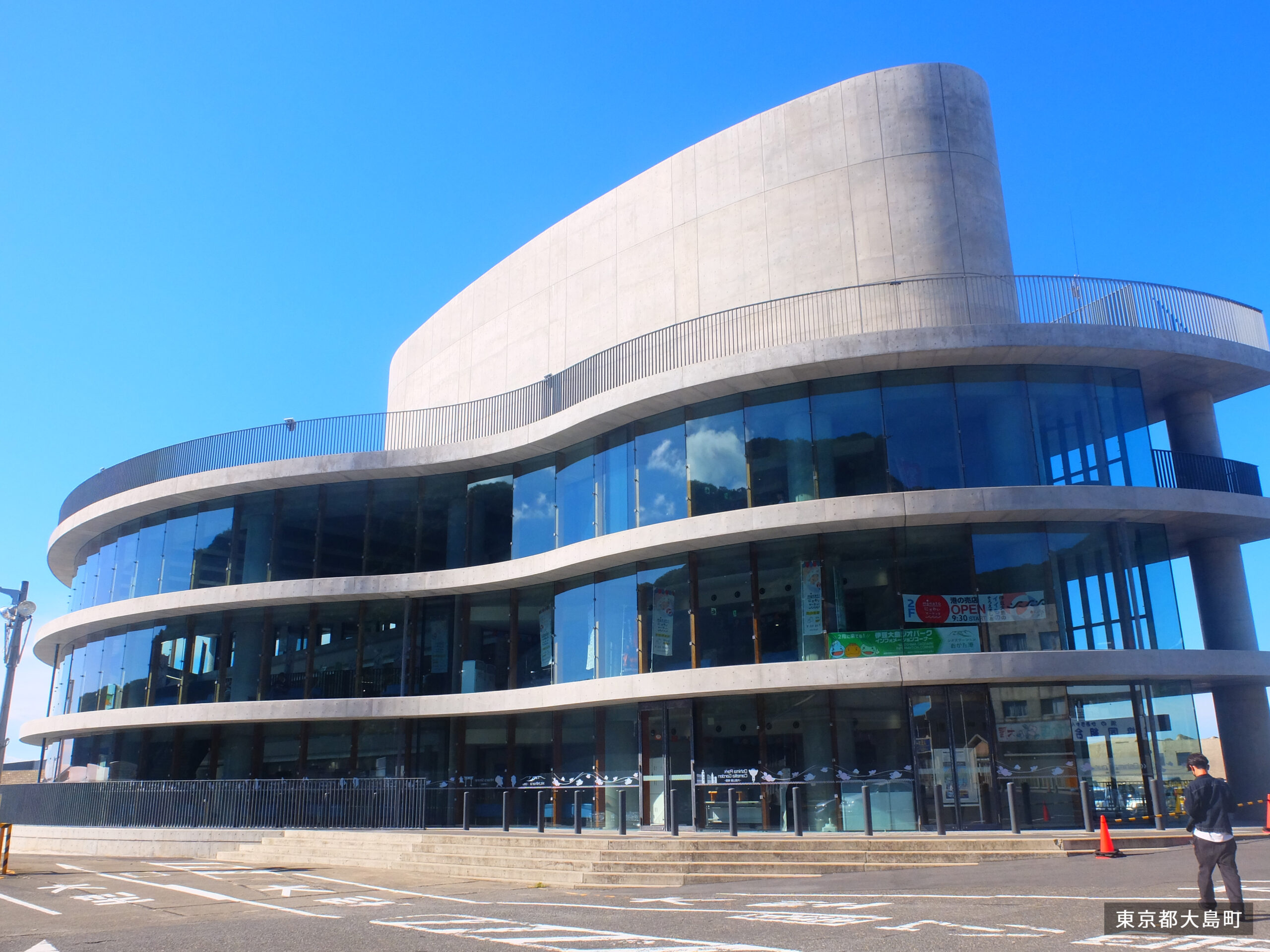
- Izu Oshima Photo Studio source image page
Editorial disclosure: This guide was prepared from official ferry, weather-agency, tourism-association, local-guide, and source-image pages checked on August 25, 2026. It is an independent planning guide and does not replace current Tokai Kisen operation status, JMA warnings or advisories, ticket handling, rebooking decisions, pet-ticket decisions, pet acceptance, fare amounts, payment handling, receipt handling, announcements, display changes, staff calls, baggage handling, arrival-port decisions, departure-port decisions, lodging policies, checkout timing, key or card handling, room checks, waste handoff, carrier route, waiting-place permission, first outdoor stop safety, route-start instructions, driver identity checks, vehicle identity checks, bus-stop directions, cue mismatch decisions, confirmed movement instructions, mid-move safety, last-step decisions, final terminal approach instructions, counter replies, line management, line position, moving-line decisions, pause-and-rejoin decisions, final staff cue decisions, final cue advance, stop-or-reset decisions, reset-complete readvance decisions, final belongings counts, belongings-count mismatch recovery, mismatch-recovered rejoin decisions, rejoined-flow final staff confirmations, staff-confirmed final moves, final-move cue-change stops, cue-change reconfirmation, reconfirmed-cue final advance, final-advance arrival checks, next-action decisions, final staff confirmations, staff-confirmed next-action execution, next-action execution cue-change stops, cue-change stop restart confirmations, reconfirmed restart first moves, first-move checkpoint pauses, checkpoint-clear next-move decisions, next-move instruction repeat-backs, confirmed-instruction note preparation, note-ready show-and-move decisions, next-checkpoint note matching, note mismatch stop-and-ask decisions, corrected-note restart decisions, restart first-check decisions, restart first-check mismatch decisions, reconfirmed return-to-checkpoint decisions, returned-checkpoint rejoin decisions, morning transport, pickup arrangements, staff contact methods, emergency contact methods, taxi availability, vehicle identity, road conditions, charging permission, translation support, outlet access, Wi-Fi access, staff replies, translation accuracy, or local staff instructions.