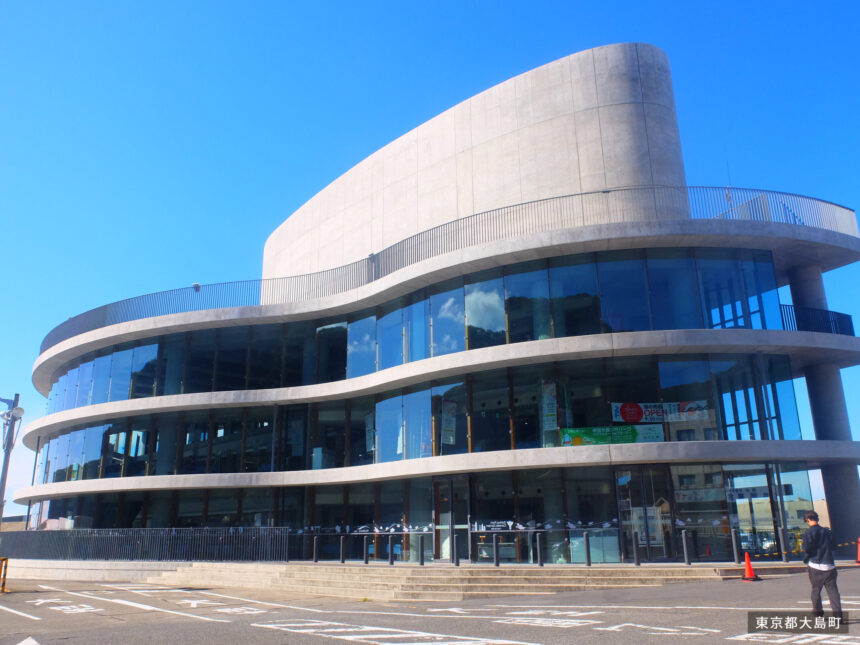
Oshima Ferry Pet Rebooked Departure Bus After-Exit No-Walk Help Message Guide
Short answer: After choosing not to walk with a pet and luggage following a rebooked Oshima ferry arrival, send one short message before moving again. Give your exact location, say that the pet is in a closed carrier, mention luggage, battery, payment, and weather constraints, then ask where to wait or where to move next.
Last checked: August 25, 2026. Ferry operation status, port choice, bus operation, taxi availability, lodging pickup, road conditions, waiting-place suitability, pet rules, payment, weather, warnings, phone battery, and driver or staff instructions can change. Always follow current Tokai Kisen, JMA, Oshima Tourism Association, Izu Oshima Navi, Oshima Bus, terminal, lodging, driver, and local staff guidance.
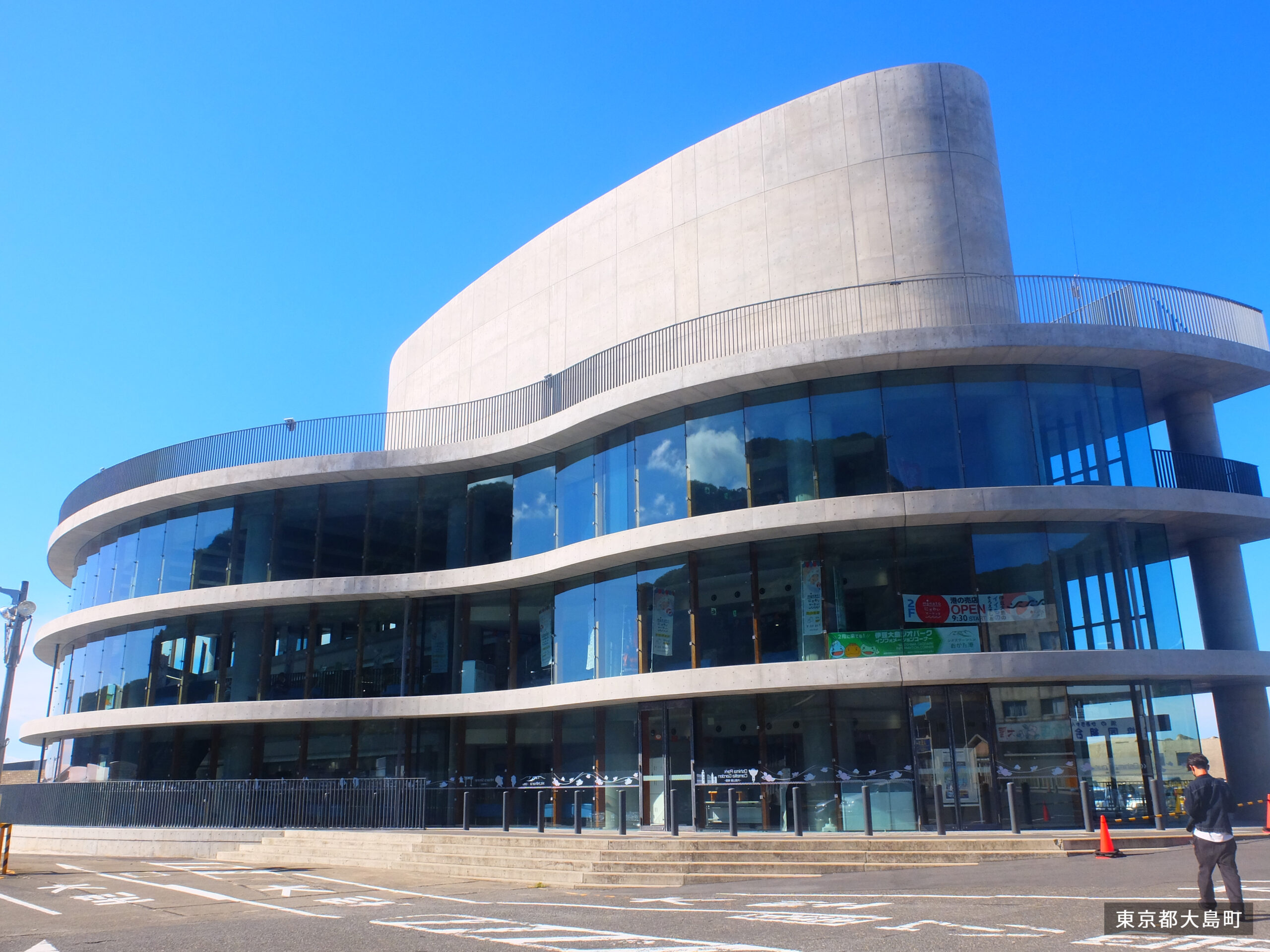
Use One Clear Message
When you are tired, carrying luggage, and preserving phone battery, a short message is better than a long story. Start with where you are. Then explain the constraints: pet carrier, luggage, weather, battery, payment, and the fact that walking is not reasonable.
Oshima Tourism Association says cruising taxis are not available, night operation is very limited, and travelers should inquire by phone. Izu Oshima Navi also says taxi companies commonly wait at ports or the airport and that taxi use should be checked by phone. A message should therefore ask for a confirmed next point, not assume immediate pickup.
Copy This Basic Message
Use this when contacting lodging, a pickup contact, or a taxi dispatcher:
Hello. I am at [stop or landmark]. I have luggage and a small pet in a closed carrier. Walking is not reasonable because of [weather / darkness / luggage / low battery]. Can you tell me where I should wait, or where I should move for pickup?
If battery is low, add: “My phone battery is low, so I may not be able to call many times.”
Say The Location Before The Problem
Tokai Kisen’s operation-status page says Oshima uses Motomachi Port and Okada Port, and that arrival and departure ports may differ. Izu Oshima Navi explains that the two main ports are used depending on waves and wind. After a rebooked ferry day, the first question is not why you are delayed; it is where you actually are.
If you do not know the stop name, send the nearest sign, building, port, shop, or map pin. Ask whether you should stay there or move to a safer pickup point.
Mention The Pet Carrier Early
Tokai Kisen’s FAQ says pets must be inside an acceptable cage or carry-on with no face or body parts visible, and its pet page says open bags cannot be accepted. Oshima Bus’s FAQ says small pets may ride only if inside a cage.
Do not hide the pet situation until the end of the call. Say “small pet in a closed carrier” early so lodging, taxi, or local staff can give suitable instructions.
Use A Taxi-Specific Version
For a taxi company, keep it direct:
Hello. I am at [location]. I need a taxi for one passenger, luggage, and a small pet in a closed carrier. Walking is not reasonable. Can a taxi come here, or should I move to another pickup point?
If the answer is no, ask for the nearest realistic waiting or pickup point. Do not start walking while the instructions are unclear.
Use A Staff Or Bystander Version
If you are asking terminal staff, bus staff, lodging staff, or a nearby facility, keep the request polite:
Excuse me. I have luggage and a pet in a closed carrier. I cannot walk safely from here. Where is the best safe place to wait while I call lodging or a taxi?
JMA provides English warnings and advisories, and its forecast information includes weather, winds, coastal ocean waves, precipitation probability, precipitation nowcasts, thunder nowcasts, and hazardous wind potential nowcasts. If weather is part of the problem, say it plainly instead of pretending you can manage the route.
Keep Payment And Bus Fallback Clear
Oshima Bus’s FAQ says Suica and PASMO are not accepted, and route-bus payment is cash or PayPay. If a helper suggests another bus, taxi, or pickup point, payment readiness matters.
Add one practical sentence if needed: “I can pay by cash or PayPay, and I can wait at a safe place.” This keeps the conversation focused on what can happen next.
No-Walk Help Message Checklist
- Start with the exact stop, port, landmark, or map pin.
- Say that you have luggage and a small pet in a closed carrier.
- Say why walking is not reasonable.
- Ask where to wait or where to move for pickup.
- Mention low battery if callbacks may be difficult.
- Keep cash or PayPay readiness clear if transport is suggested.
- Do not leave the waiting spot until the next point is confirmed.
Sources
- Tokai Kisen operation-status page
- Tokai Kisen boarding flow
- Tokai Kisen FAQ
- Tokai Kisen pet page and pet-ticket information
- JMA weather warning and advisory page
- JMA forecast-services explanation
- Oshima Tourism Association local transport page
- Oshima Tourism Association accommodation page
- Izu Oshima Navi transportation page
- Oshima Bus FAQ
- Izu Oshima Photo Studio source image page
Editorial disclosure: This guide was prepared from official ferry, weather-agency, tourism-association, bus, local-guide, and source-image pages checked on August 25, 2026. It is an independent planning guide and does not replace current Tokai Kisen operation status, JMA warnings or advisories, ticket handling, rebooking decisions, pet acceptance, baggage handling, arrival-port decisions, bus-stop decisions, lodging responses, pickup directions, taxi availability, walking-route safety, road conditions, Oshima Bus operation, payment handling, driver instructions, weather notices, route decisions, waiting-place conditions, translation needs, or local staff instructions.