Izu Oshima by bus
Oshima Habu Port by Bus Guide
Habu Port is one of the best places on Izu Oshima to let a bus ride turn into a real walk. The route is simple on paper: use Oshima Bus’s Habu Port Line. The planning question is more interesting: should you get off at the lower port, at the lookout above the harbor, or build time for both before the return bus?
Quick Answer
For the port town itself, use the Habu Port Line and get off at Habu Port. Oshima Bus lists the walk from that stop as 0 minutes. For the overlook, use the same line and get off at Habu Mihara-shidai, also listed by Oshima Bus as 0 minutes from the stop. Check the current Habu Line timetable before travel and decide your return bus before you start walking.
Why Habu Port Is Worth A Bus Stop
The official Izu Oshima Geopark page gives Habu Port an unusually dramatic origin story. It describes Habu Port as an explosion crater that formed in the early 9th century and became a lake. In 1703, the Genroku earthquake caused a tsunami that broke the lake edge and connected it to the sea. People later opened Habu Port in 1800.
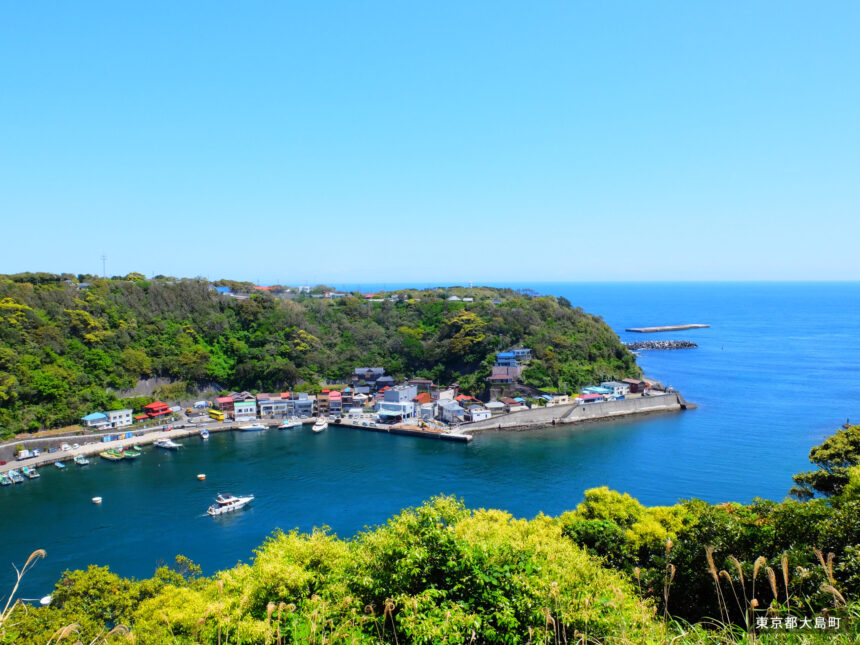
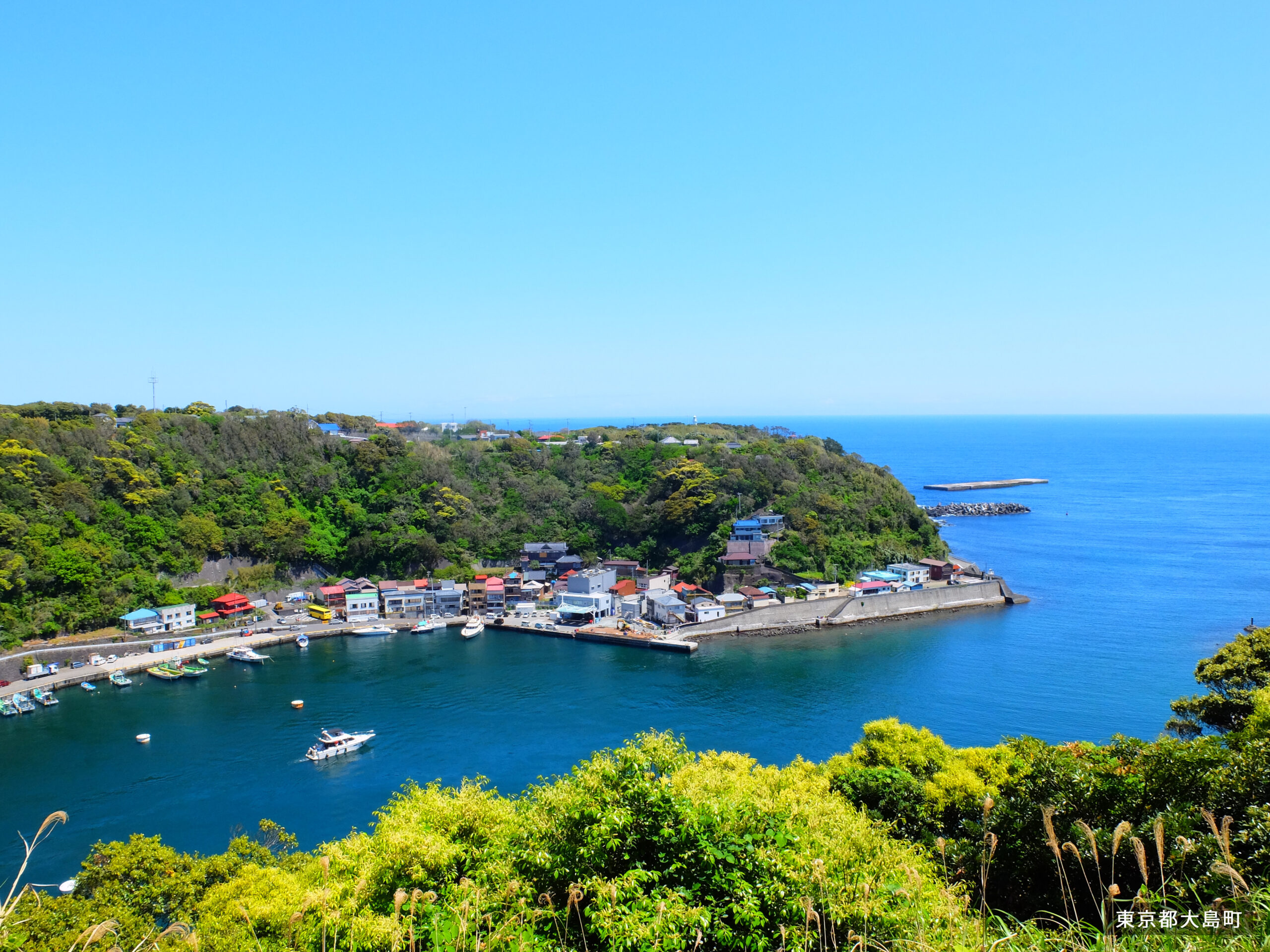
That history explains the shape you see from above: a protected round harbor, cliffs, a lower port town, and a viewpoint that makes the whole place easier to understand. Oshima Town’s official page also describes Habu Port as once being a volcanic crater lake, later opened as a port after work led by Akihiro Heiroku.
Two Stops, Two Experiences
If you want streets, old port atmosphere, small shops, and the harbor edge, aim for Habu Port stop. Oshima Bus lists Habu Port on the Habu Port Line, with Habu Port as the stop and a 0-minute walk from the stop. This is the practical choice when you want to spend your time in the lower town.
If you want the photo-first view, aim for Habu Mihara-shidai. Oshima Bus lists Habu Port Lookout on the Habu Port Line, with Habu Mihara-shidai as the stop and a 0-minute walk from the stop. The bus company describes it as a west-bank high-ground viewpoint with a full view over Habu Port.
Trying both can be rewarding, but do not treat it as an automatic connection. The town and the lookout sit at different levels, and island bus frequency can be limited. Use the official route map and timetable first, then decide whether you have enough time to walk between areas or whether to keep the visit simple.
What To See In The Port Town
GO TOKYO describes Habuminato as a small port town on Oshima’s southeastern coast, with historic winding streets and ocean views. The same official Tokyo travel page connects the area with Yasunari Kawabata’s novel “The Dancing Girl of Izu” and the folk song “Habu no Minato.”
Oshima Town’s official page lists several places that help turn the walk into more than a harbor photo: former Minatoya Ryokan, former Jin-no-maru residence, Habu Port Lookout, and the old inn-front townscape. As checked on August 21, 2026, the town page listed former Minatoya Ryokan and former Jin-no-maru residence as open from 9:00 to 16:00, with no regular closing days and free admission. Recheck before relying on those details, especially if the buildings are the main reason for your visit.
How To Build The Route
Start from the official Oshima Bus route-bus page. As checked on August 21, 2026, the posted timetable period was July 1 to September 30, 2026, and the page linked the route-bus timetable and island map, route map, fare table, and Habu Line summary timetable. Use those files for the actual departure times.
A relaxed plan is to choose one focus: either lower Habu Port town or Habu Port Lookout. A stronger plan is to pair Habu Port with one nearby Habu Port Line stop, such as the Oshima strata section or Suna-no-hama, but only after checking the return bus. On a port day, remember that the ferry arrival port and weather can change how much usable time you have.
Fare And Payment Planning
Oshima Bus’s official route-bus page listed one-day passes at 2,500 yen for adults and 1,250 yen for children, and two-day passes at 3,800 yen for adults and 1,900 yen for children, valid on all routes, as checked on August 21, 2026. For a day with several stops on the Habu Port Line, compare the pass with your planned rides.
Payment is not the same as in central Tokyo. Oshima Bus’s FAQ says Suica and PASMO are not accepted, while cash and PayPay are accepted. The same FAQ says on-bus change is available for 50 to 500 yen coins and 1,000 yen notes. Carry small cash and do not leave payment planning until you are boarding.
Practical Cautions
Habu Port is a real port town, so walk with care around working harbor edges, narrow roads, slopes, and local homes. Do not block roads for photos, and keep noise low in residential lanes. If wind or rain is strong, prioritize the lookout or a shorter harbor walk rather than stretching for every stop.
If you arrive by large ship in the early morning, Oshima Bus notes connection buses for major directions, but timing can vary with ship arrival. Move promptly after disembarking and use the official bus information for that day.
Before You Go Checklist
- Check the current Habu Line timetable on the official Oshima Bus route-bus page.
- Choose your main stop: Habu Port for the town or Habu Mihara-shidai for the lookout.
- Confirm your return bus before walking away from the stop.
- Carry small cash because Suica and PASMO are not accepted on Oshima Bus.
- Recheck any building hours if former Minatoya Ryokan or former Jin-no-maru residence is essential to your plan.
Sources
- Oshima Bus sightseeing information
- Oshima Bus route-bus timetables, maps, fares, and passes
- Oshima Bus FAQ
- Oshima Town official Habu Port page
- Izu Oshima Geopark: Habu Port
- GO TOKYO: Habuminato
- Izu Oshima Photo Studio source image and terms
Editorial disclosure: This guide was prepared from official transport, town, geopark, Tokyo tourism, and source-image pages checked on August 21, 2026. Timetables, fares, payment rules, route operations, and building hours can change, so check official pages before travel.