Izu Oshima by bus
Oshima Miharayama Crater Loop Guide
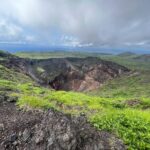
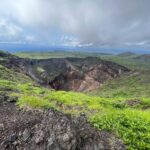
The Mt. Mihara crater loop, often called ohachi-meguri, is the step beyond simply reaching Miharayama Sanchoguchi by bus. It can turn a quick summit-area stop into a serious active-volcano walk, so the decision should come after checking official volcanic information, weather, walking time, and your last practical return bus.
Quick Answer
Do the crater loop only if your bus plan, weather, and trail conditions give you enough margin. Oshima Town’s official Mt. Mihara page says the crater viewpoint is about 45 to 60 minutes on foot from Miharayama Sanchoguchi, while Oshima Bus gives a fuller estimate: about 1 hour 30 minutes round trip to the crater viewpoint, plus about 40 minutes for the ohachi-meguri loop.
That makes the full bus-stop-to-viewpoint-plus-loop plan about 2 hours 10 minutes before you add rest, photos, weather delays, or a conservative return-bus buffer. For many visitors, the right choice is to go to the viewpoint and skip the loop if time or visibility is not good.
What The Loop Adds
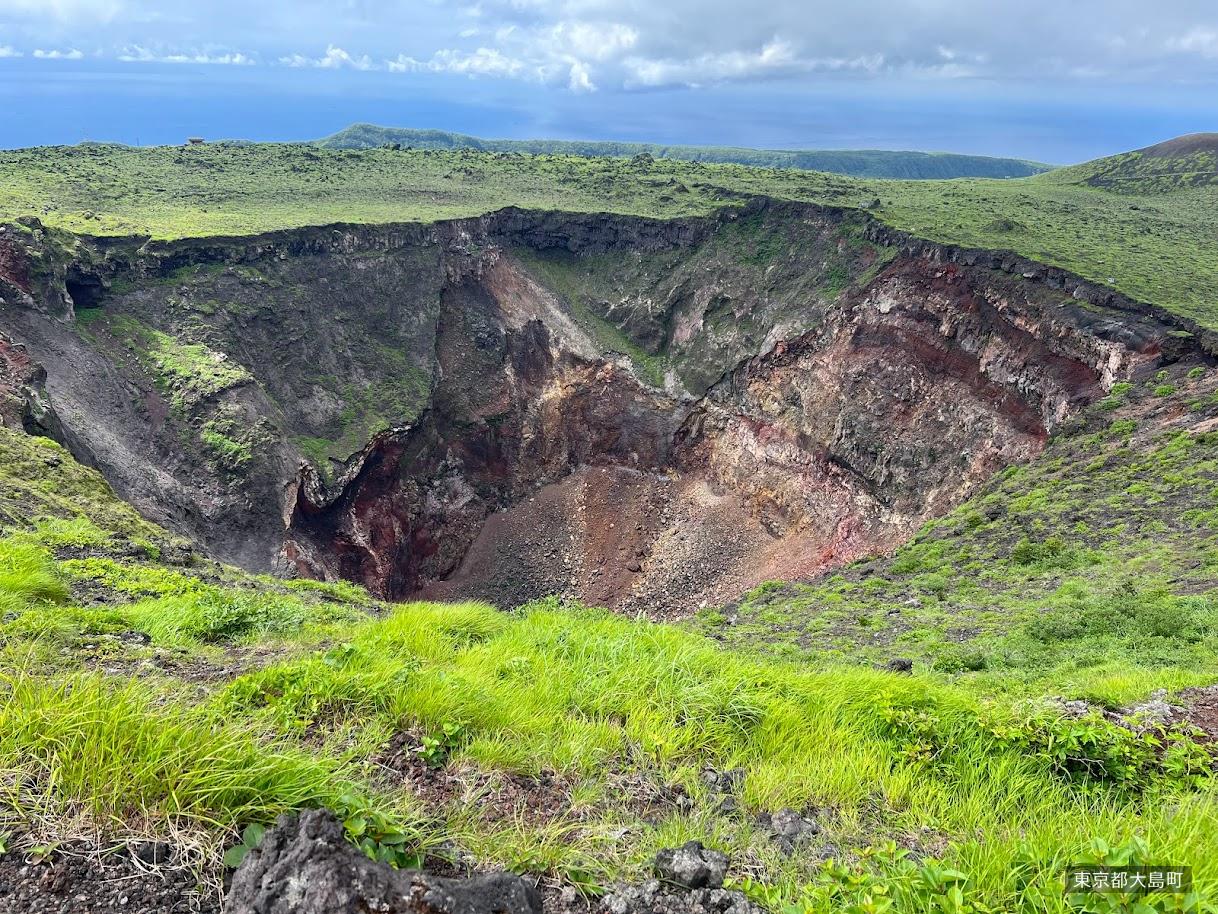
Oshima Town says the ohachi-meguri crater loop opened in May 1998. The town page describes Mt. Mihara as a 758m central cone inside the summit caldera, with a summit crater about 300m in diameter and more than 200m deep.
The loop is not just a scenic circle. It is a close look at the island’s volcanic center. Oshima Town’s history note says the 1986 eruption began on November 15, and that the November 21 fissure eruption led to an island-wide evacuation for about one month.
Volcano Checks Before Walking
As checked on August 21, 2026, Oshima Town’s volcano activity page said volcanic activity was quiet and the alert level was 1, meaning visitors should be aware that Izu Oshima is an active volcano. The same page says entry into the crater may be prohibited depending on conditions.
It also says that, as of August 2010, areas within 600m of the summit crater and lava-flow hazard areas are restricted, except for trails and promenades. Stay on official trails and follow local signs even if a map or old travel post seems to show a shortcut.
JMA Information To Check
The Japan Meteorological Agency identifies Izu-Oshima as a continuously observed volcano. Its Izu-Oshima page links current volcanic warning status, the volcanic alert level PDF, past volcano information, and monthly volcanic activity commentaries.
JMA says it monitors Izu-Oshima using instruments such as seismometers, tiltmeters, infrasonic microphones, GNSS, optical distance meters, and monitoring cameras, with cooperation from related agencies. When checked on August 21, 2026, JMA’s activity information page listed July 2026 monthly volcanic activity materials published on August 10, 2026 and included Izu-Oshima among the Izu/Ogasawara volcanoes.
Bus And Return Planning
Oshima Bus’s sightseeing page lists Miharayama Sanchoguchi Observatory on the Miharayama Line and Rainbow Line, with the Miharayama Sanchoguchi stop 1 minute away. Use the route-bus page for current timetable files rather than relying on a copied departure time.
As checked on August 21, 2026, Oshima Bus’s route-bus page showed a timetable period of July 1 to September 30, 2026. It listed one-day passes at 2,500 yen for adults and 1,250 yen for children, and two-day passes at 3,800 yen for adults and 1,900 yen for children, valid on all routes.
Payment And Practical Notes
Oshima Bus’s FAQ says Suica and PASMO are not accepted, while cash and PayPay are accepted. It also says on-bus change is available for 50 to 500 yen coins and 1,000 yen notes. Carry small cash, because the crater loop is not the place to gamble on a tight bus connection.
Bring water, weather protection, traction-friendly shoes, and a battery plan. If clouds lower, wind rises, the trail feels slower than expected, or the return bus margin shrinks, turn the loop into a viewpoint walk and come back another day.
Before You Go Checklist
- Check Oshima Town and JMA volcanic information.
- Check trail restrictions and local signs.
- Confirm the latest Miharayama Line or Rainbow Line timetable.
- Plan around the 2-hour-10-minute estimate plus a return-bus buffer.
- Skip the loop if weather, visibility, footing, or time margin is poor.
Sources
- Oshima Town official Mt. Mihara page
- Oshima Town volcano activity page
- JMA Izu-Oshima volcano page
- JMA volcanic activity information page
- JMA Izu-Oshima Volcanic Disaster Mitigation Office page
- Oshima Bus sightseeing information
- Oshima Bus route-bus timetables, maps, fares, and passes
- Oshima Bus FAQ
- Izu Oshima Photo Studio source image and terms
Editorial disclosure: This guide was prepared from official town, JMA, transport, and source-image pages checked on August 21, 2026. Volcanic alert information, trail restrictions, weather, walking conditions, route-bus timetables, fares, payment rules, and route availability can change, so check official pages before travel.