Izu Oshima weather backup
Oshima Miharayama Weather Backup Guide
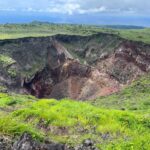
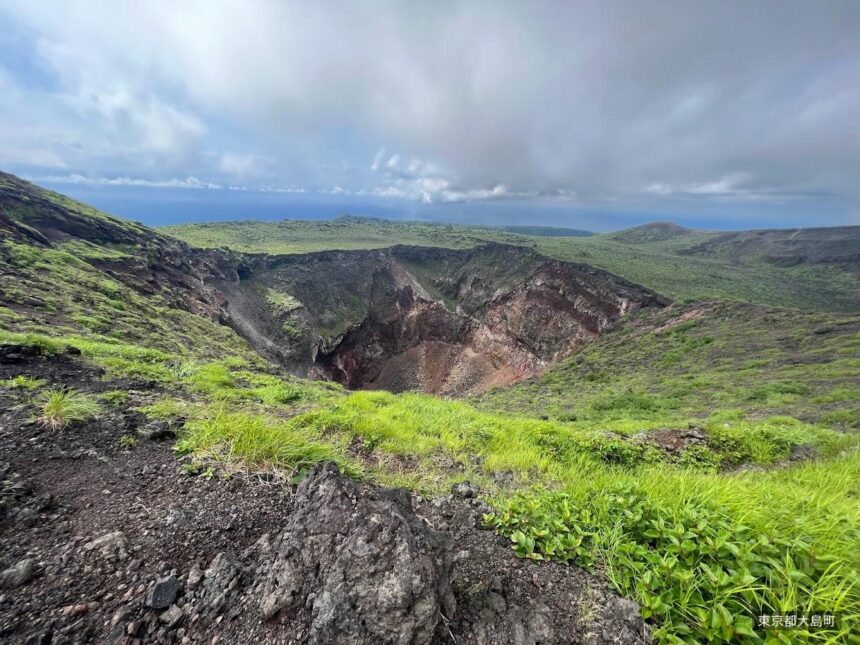
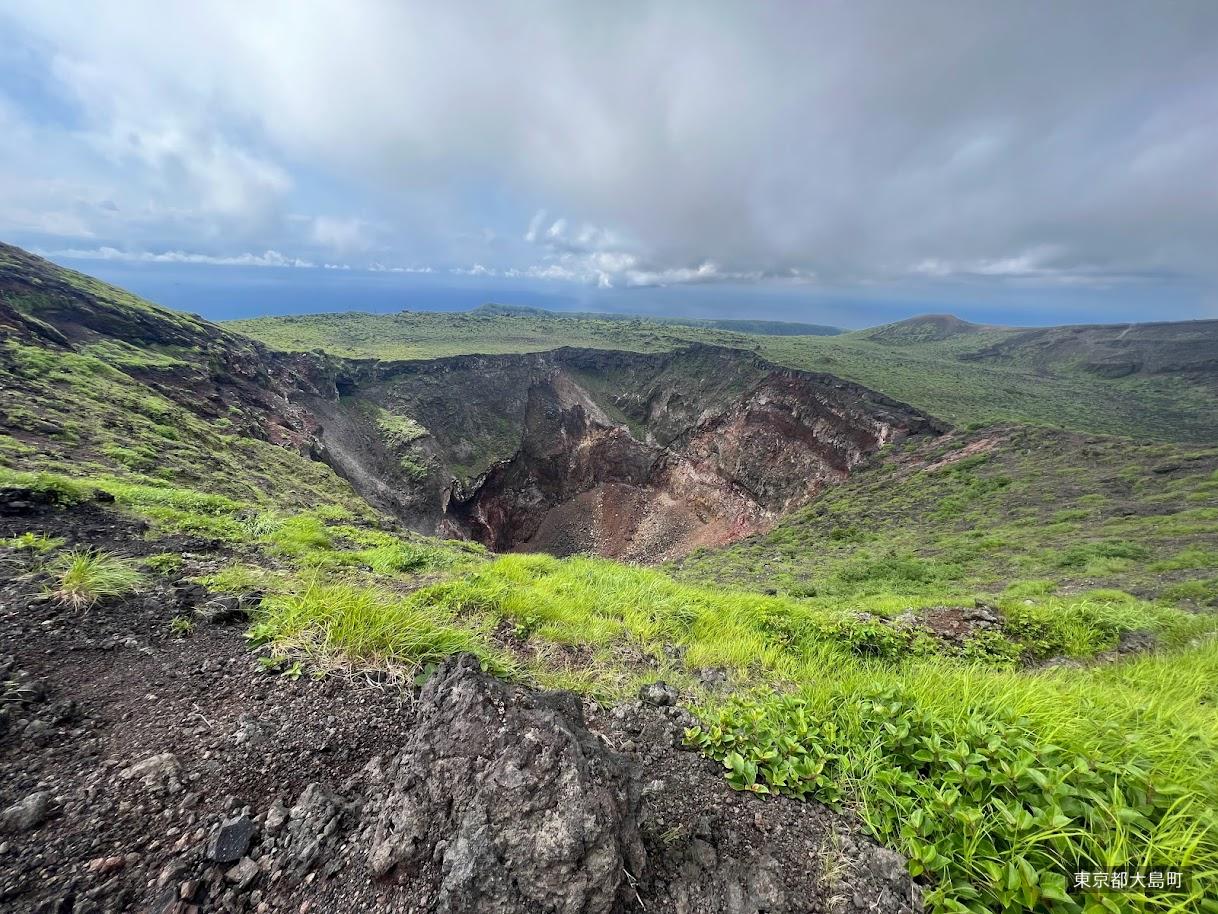
Mt. Mihara is one of Izu Oshima’s best bus-accessible landscapes, but it is also an exposed active-volcano area where cloud, wind, rain, volcanic information, and return-bus timing can change the day. A good plan is not only “go to Miharayama Sanchoguchi”; it is knowing when to shorten the walk or switch to a lower-elevation backup.
Quick Answer
Keep the mountain plan only when three checks agree: JMA weather information is reasonable for walking, Oshima Town and JMA volcanic information do not create a restriction issue, and the Oshima Bus timetable gives you a clear return margin. If one of those checks is weak, make the summit stop a short viewpoint visit or move the day toward Motomachi Port, Gojinka Onsen, Hama-no-yu, Oshima Onsen Hotel, or Sunset Palm Line.
The useful mindset is to protect the ferry, flight, or evening plan first. The crater viewpoint and ohachi-meguri loop can wait; a missed return bus or a wind-exposed walk is the part that can ruin the day.
Check Weather Before The Bus
JMA’s English menu links Weather Warnings/Advisories, Precipitation Nowcasts, Daily Forecasts, Three-hourly Forecasts, Weather Maps, and volcanic information. For Izu Oshima, start with the weather warning/advisory page for the Tokyo Northern Izu Islands area, then check daily and three-hourly forecasts before committing to a long summit-area walk.
JMA explains that daily forecasts are issued at 0500, 1100, and 1700 JST and include weather, winds, coastal waves, temperatures, and precipitation probabilities. It also says time-sequence forecasts provide weather, temperature, and wind speed/direction at three-hour intervals. For Mt. Mihara, wind and visibility matter as much as rain.
Check Volcano Information Separately
Weather is not the same as volcanic information. Oshima Town’s volcano activity page, checked on August 21, 2026, said volcanic activity was quiet and the alert level was 1, meaning visitors should be aware that Izu Oshima is an active volcano. The same page says entry into the crater may be prohibited depending on conditions.
Oshima Town also says areas within 600m of the summit crater and lava-flow hazard areas are restricted except for trails and promenades. JMA’s Izu-Oshima volcano page is the official place to check current volcanic warning status, alert-level material, past volcano information, and monthly activity materials.
Know The Mountain Time Cost
Oshima Bus lists Miharayama Sanchoguchi Observatory on the Miharayama Line and Rainbow Line, with the Miharayama Sanchoguchi stop 1 minute away. Its sightseeing page gives a summit-area estimate of about 1 hour 30 minutes round trip to the crater viewpoint, plus about 40 minutes for the ohachi-meguri crater loop, or about 2 hours 10 minutes total.
That estimate is before weather delays, photo stops, restroom time, and conservative return-bus padding. If clouds are low, wind is rising, or the bus timetable is thin, treat the summit bus stop as the destination and skip the loop.
Backup 1: Motomachi Port And Gojinka Onsen
Gojinka Onsen is the easiest bad-weather pivot from many bus plans because Oshima Bus lists it at Motomachi Port, 5 minutes on foot, served by the Oshima Park Line, Habu Port Line, and Miharayama Line. Oshima Town says it is a natural hot spring created by the island’s volcanic setting.
As checked on August 21, 2026, the town page listed hours of 6:30 to 21:00 on days when overnight ferries arrive and 9:00 to 21:00 on days without overnight ferry arrivals. It listed regular closures on Thursdays and the second Wednesday, with February, March, and August variations. Basic fees were listed as 710 yen for adults and 300 yen for children, and a three-day passport was listed as usable at Hama-no-yu too.
Backup 2: Hama-no-yu If Wind Allows
Hama-no-yu is close to Motomachi Port, but it is not a universal storm backup. Oshima Town lists it 3 minutes on foot from Motomachi Port, with hours of 13:00 to 19:00 and July/August hours of 11:00 to 19:00. The town page says it is open year-round but may close or shorten hours because of weather.
Oshima Bus also notes that Hama-no-yu faces the coast and may close in strong wind or bad weather. It is mixed bathing and requires a swimsuit, with no indoor bath. Choose it when the mountain is cloudy but the port-side wind situation is still comfortable.
Backup 3: Oshima Onsen Hotel Or A Short Summit Stop
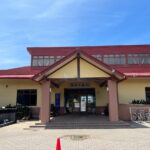
If the Miharayama Line or Rainbow Line still fits your day but the full crater walk does not, Oshima Onsen Hotel can be a softer mountain-side option. Oshima Bus lists it at the Miharayama Onsen stop, 0 minutes on foot, on the Miharayama Line and Rainbow Line. The same page describes the hotel as around 500m elevation on the outer rim of Mt. Mihara.
This is still a weather-sensitive choice. Use it when buses are running and the route fits, not as an all-purpose substitute for checking conditions.
Bus, Fares, And Payment
As checked on August 21, 2026, Oshima Bus’s route-bus page showed a timetable period of July 1 to September 30, 2026. It listed one-day passes at 2,500 yen for adults and 1,250 yen for children, and two-day passes at 3,800 yen for adults and 1,900 yen for children, valid on all routes.
The Oshima Bus FAQ says Suica, PASMO, and other IC cards are not accepted. Cash and PayPay are accepted, and on-bus change is available only for 50 to 500 yen coins and 1,000 yen notes. A weather-backup day works better when you carry small cash and avoid relying on one exact bus.
Simple Decision Rule
- If JMA warnings/advisories or wind look poor, do not start a long summit walk.
- If volcanic information or local signs restrict access, follow the restriction.
- If the return bus margin is thin, visit only the viewpoint or choose a port-side backup.
- If Hama-no-yu is exposed to strong wind, choose Gojinka Onsen or another indoor option first.
- If you must connect to a ferry or flight, protect that connection before the mountain plan.
Sources
- JMA weather, earthquake, and volcano information menu
- JMA forecast services explanation
- JMA weather warning/advisory page for Tokyo Northern Izu Islands
- Oshima Town volcano activity page
- JMA Izu-Oshima volcano page
- Oshima Bus route-bus timetables, maps, fares, and passes
- Oshima Bus sightseeing information
- Oshima Bus FAQ
- Oshima Town Gojinka Onsen page
- Oshima Town Hama-no-yu page
- Izu Oshima Photo Studio source image and terms
Editorial disclosure: This guide was prepared from official weather, volcano, town, transport, facility, and source-image pages checked on August 21, 2026. Weather warnings, forecasts, volcanic information, trail restrictions, bus timetables, fares, facility hours, temporary closures, and payment rules can change, so check official pages before travel.