Izu Oshima by bus
Oshima Ura-Sabaku by Bus Guide
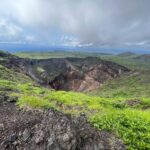
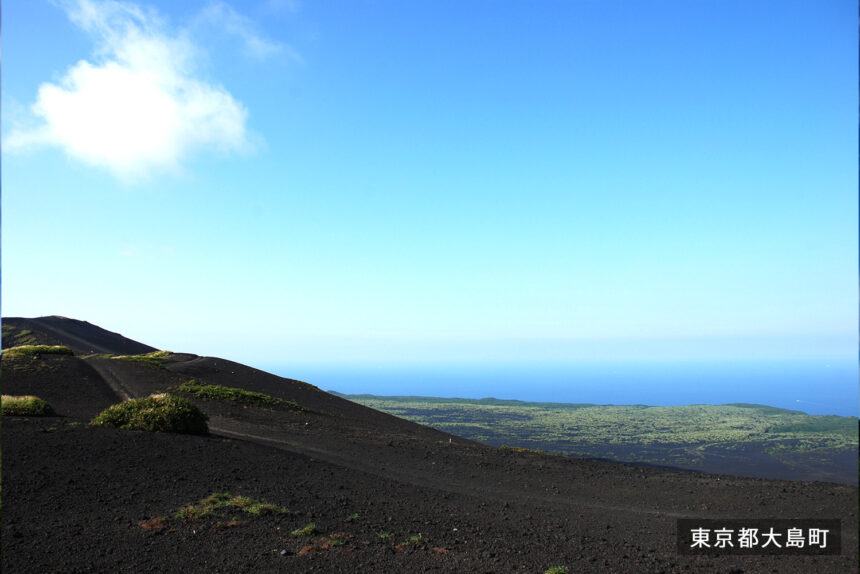
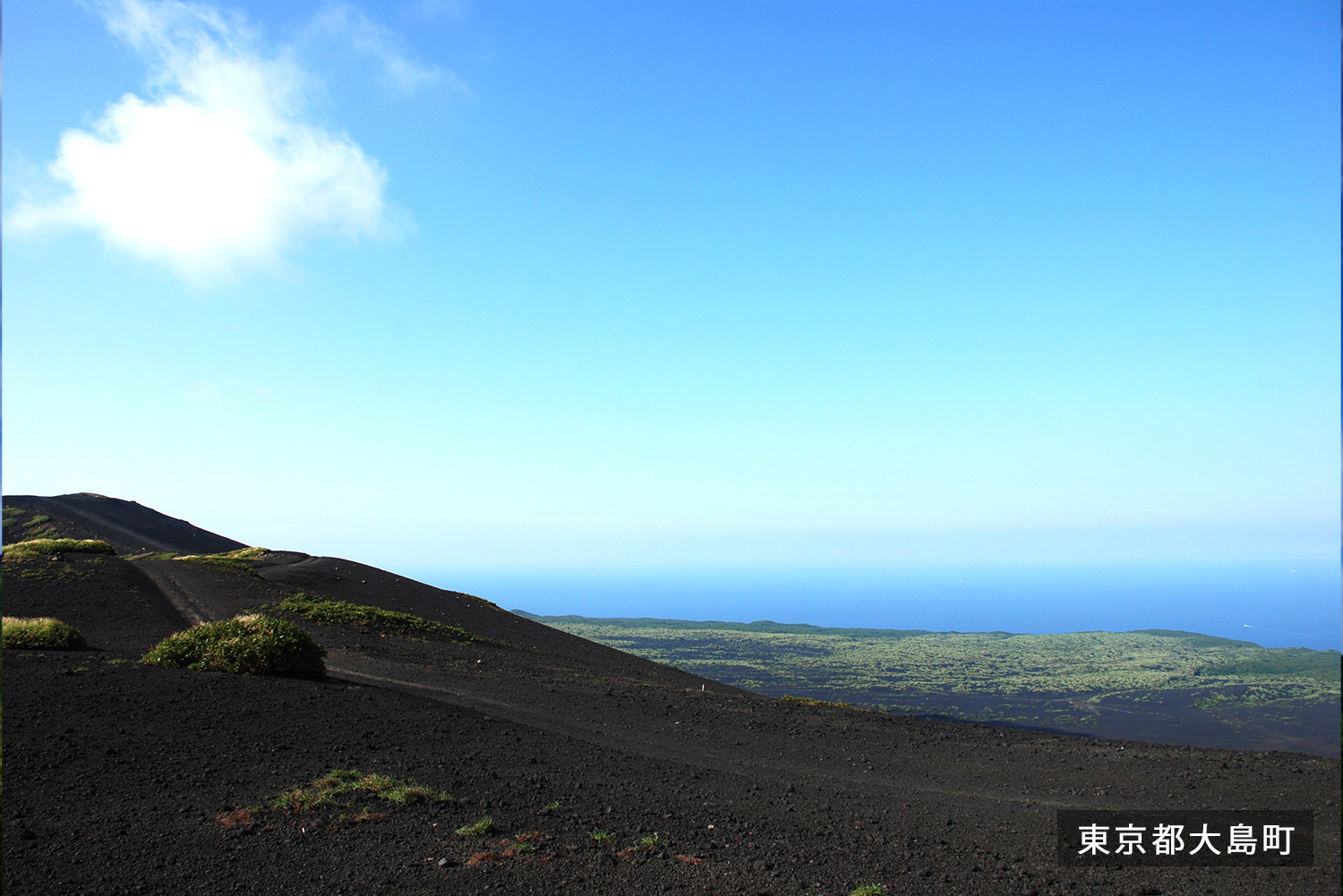
Ura-Sabaku is one of Izu Oshima’s most otherworldly landscapes: black volcanic ash and scoria spread across the northeast side of Mt. Mihara. It can be reached as a bus-and-walk plan, but only when the current Oshima Bus timetable, weather, and your return route all work together.
Quick Answer
Oshima Bus’s sightseeing page lists Oshima Great Desert on the Osabaku Line, with Oshima Great Desert as the stop and a 15-minute walk from the stop. Treat that as a starting point, not a complete plan. Before travel, check the current Oshima Bus route-bus timetable and island map, confirm that the Osabaku Line works for your date, and identify the bus you will use to leave.
What Ura-Sabaku Is
The official Izu Oshima Geopark page describes Ura-Sabaku Desert as an area of volcanic ash and scoria on the northeast side of Mt. Mihara. Southwest winds often blow on Izu Oshima, so eruption ash falls thickly on the northeast side of the crater. Even when the volcano is not erupting, wind and rainwater move the surface and make it hard for plants to establish, preserving the black desert landscape.
Oshima Town’s official page explains the same landscape in practical visitor language: Ura-Sabaku is covered with volcanic ash and scoria, and strong wind helps keep the dark ground visible by blowing away seeds and shoots. The town also notes that Ura-Sabaku is the only place labeled “desert” on Geospatial Information Authority of Japan maps.
Bus Planning
Start with Oshima Bus’s official route-bus page. As checked on August 21, 2026, the posted timetable period was July 1 to September 30, 2026, and the page linked the route-bus timetable and island map, route map, fare table, and summary timetables. Use those official files for actual departure times.
The sightseeing page gives the stop relationship: Oshima Great Desert is on the Osabaku Line, and the walk from the stop is listed as 15 minutes. The harder question is whether the line has a usable return bus. Decide that before walking away from the stop area.
Walking Distance And Access
Oshima Town gives two important access distances. From the Moon and Desert Line parking area, the first observatory is about 0.7 km on foot and the second observatory is about 1.2 km on foot. From the parking area along the Oshima Island Loop Road, the first observatory is about 3 km on foot and the second observatory is about 3.5 km on foot.
Those distances are not the same as a flat city walk. Wind, heat, rain, low cloud, volcanic gravel underfoot, and limited shade can change the feel quickly. Bring water, shoes that handle loose ground, and enough time to return calmly.
Protection Rules And Safety
Oshima Town states that Ura-Sabaku and the summit caldera area are inside a Fuji-Hakone-Izu National Park Special Protection Zone, and that vehicles are prohibited except volcano-monitoring and emergency vehicles. Do not drive into the protected area, do not treat tracks as off-road routes, and do not remove volcanic material.
For a bus traveler, the safe version is simple: check the weather, walk only as far as conditions allow, and turn around early if visibility or footing worsens. Ura-Sabaku is memorable because it feels open and empty; that same openness can make bad weather feel more serious than it looked from town.
Fare And Payment Planning
Oshima Bus’s official route-bus page listed one-day passes at 2,500 yen for adults and 1,250 yen for children, and two-day passes at 3,800 yen for adults and 1,900 yen for children, valid on all routes, as checked on August 21, 2026. A pass may make sense if Ura-Sabaku is one part of a multi-stop bus day.
Oshima Bus’s FAQ says Suica and PASMO are not accepted, while cash and PayPay are accepted. The FAQ also says on-bus change is available for 50 to 500 yen coins and 1,000 yen notes. Carry small cash even if you expect to use PayPay or a pass.
Before You Go Checklist
- Check the current Oshima Bus route-bus timetable and island map.
- Confirm whether the Osabaku Line works for your travel date.
- Identify your return bus before starting the walk.
- Bring water, sun protection, wind protection, and shoes for loose volcanic ground.
- Respect the Special Protection Zone and keep vehicles out of the protected landscape.
Sources
- Oshima Bus sightseeing information
- Oshima Bus route-bus timetables, maps, fares, and passes
- Oshima Bus FAQ
- Oshima Town official Ura-Sabaku page
- Izu Oshima Geopark: Ura-Sabaku Desert
- Izu Oshima Photo Studio source image and terms
Editorial disclosure: This guide was prepared from official transport, town, geopark, and source-image pages checked on August 21, 2026. Timetables, fares, payment rules, route operations, walking conditions, and weather risk can change, so check official pages before travel.