Eating Alone in Japan: Counter Seats, Solo Meals, and Low-Stress Choices
Short answer: Solo travelers can choose confidently by looking for counter seats, clear ordering, short route distance, predictable payment, and a backup that does not require a group reservation.
This cluster supports Practical Food Guides in Japan. Use the parent for the wider route, then use this page for the specific food decision.
Last checked: August 4, 2026. Menus, prices, hours, reservations, seasonal availability, payment methods, and venue rules can change. Confirm current details with the exact official source before relying on them.
Solo dining is a format choice
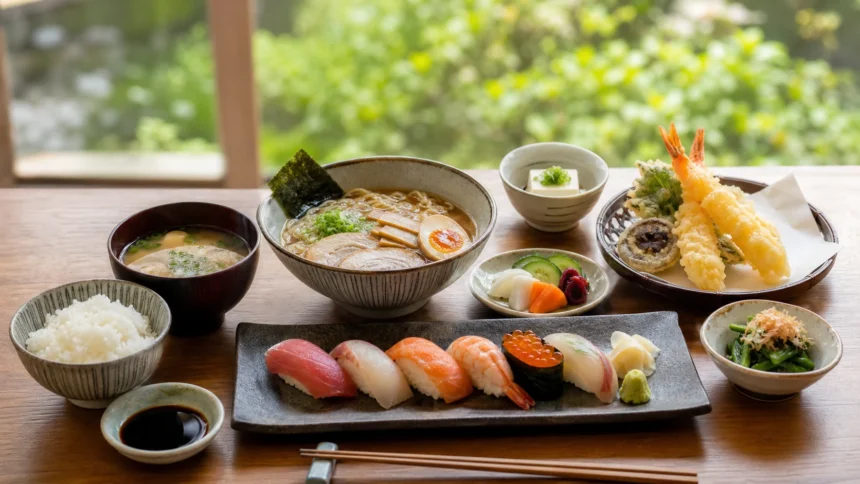
Eating alone in Japan can be straightforward, especially at counter-style restaurants, cafes, station shops, family restaurants, food courts, and set-meal places. The most comfortable option depends on your desired pace and the venue’s seating. A counter can reduce waiting and make ordering simple, while a cafe can provide a slower rest.
Do not choose only by whether a venue appears popular. Check if the menu, payment, seating, and queue system are understandable for one person. A small specialist shop may be welcoming but still difficult if the entrance and ordering rules are unclear.
Choose by energy and time
After a long flight or train ride, choose a nearby format with a clear menu. On a sightseeing day, a station restaurant or food hall may protect the route. If the meal is a personal goal, allow more time and check the last order before traveling across the city.
Counter meals can be efficient, but they may have limited luggage space and a quick turnover. A family restaurant or hotel cafe may be better if you need to sort maps, charge a phone, or recover from the weather. The best solo meal is the one that gives you the right amount of time and privacy.
Ordering and payment
Look for ticket machines, picture menus, tablet ordering, or counter instructions. Prepare the dish name or point to the menu, and confirm whether the set includes rice, soup, a drink, or a side. Photos help with selection but do not confirm ingredients.
Keep payment simple and move away from the counter when you need to organize receipts or bags. Cash, card, IC card, and QR payment availability varies. If a venue requires a minimum order or seat charge, check before settling in.
Low-stress solo etiquette
Keep bags close without blocking another seat, follow the venue’s photography rule, and observe the pace of the shop. You do not need to talk to other guests, but a polite greeting and clear order help staff. If the atmosphere feels wrong or the ingredients are uncertain, leave calmly and use the backup.
Solo travel gives you flexibility. Use it to eat near the next destination, choose a small portion, or return to a favorite format. You do not need to force a famous restaurant into a day that is already full.
Quick chooser
| Traveler situation | Useful starting point | Check first |
|---|---|---|
| Fast meal | Counter restaurant or station shop | Ticket machine, queue, and payment. |
| Quiet break | Cafe, hotel lounge, or family restaurant | Seating, time, and luggage. |
| First solo meal | Clear menu and predictable format | Set contents and ordering flow. |
| Dietary concern | Venue that answers questions directly | Ingredients and cross-contact. |
| Busy day | Nearby food court or convenience store | Opening hours and backup. |
Before you leave the area
- Seat type, luggage space, ordering method, and payment.
- Set contents, portion, toppings, sauces, and dietary information.
- Queue, last order, minimum order, and seat-charge rules.
- A nearby alternative that works for one person.
- A route back to the hotel or next station without unnecessary transfers.
FAQ
Is it normal to eat alone in Japan?
Yes. Many venues are designed for individuals as well as groups, although seating and house rules vary.
Are counter seats only for fast meals?
Not always. Some counter restaurants are relaxed, but check the venue’s pace and seating rules.
What if a restaurant feels uncomfortable?
You can leave politely before ordering or after checking the menu. A flexible solo route should always include another option.
Related guides
Practical Food Guides in Japan | Choosing Restaurants Without Japanese | Restaurant Waiting Lines | Japanese Cafe Guide
Sources
Editorial disclosure: This guide is independent and does not rank or promote specific restaurants, hotels, shops, brands, venues, events, products, or booking services.