Use Fukuoka as a compact food base, not as all of Kyushu
Short answer: Fukuoka is a strong first base for ramen, hot pots, seafood, station food, and a possible yatai evening. Keep the city stay distinct from a wider Kyushu route: Nagasaki, Kumamoto, Kagoshima, Beppu, and other destinations need their own transport and meal decisions.
Last checked: August 15, 2026. Yatai operation, weather closures, menus, prices, payment, transport, and restaurant availability can change. Check current official information before leaving your hotel.
Choose a Fukuoka food rhythm
| Trip style | Good starting shape | Important check |
|---|---|---|
| Short city stay | Hakata or Tenjin base, one ramen meal, one seated local meal, one flexible stop | Hotel-to-station distance and arrival timing |
| Yatai interest | Early evening check, small group, light luggage, flexible alternative | Same-day weather, stall operation, cash, seating, and toilets |
| Kyushu gateway | Protect the rail or flight connection before adding a distant meal | Current operator status and last connection |
| Food-first weekend | Ramen, seafood, hot pot, cafe or market, and one unplanned meal | Do not reserve every meal before understanding the area |
What Fukuoka is useful for
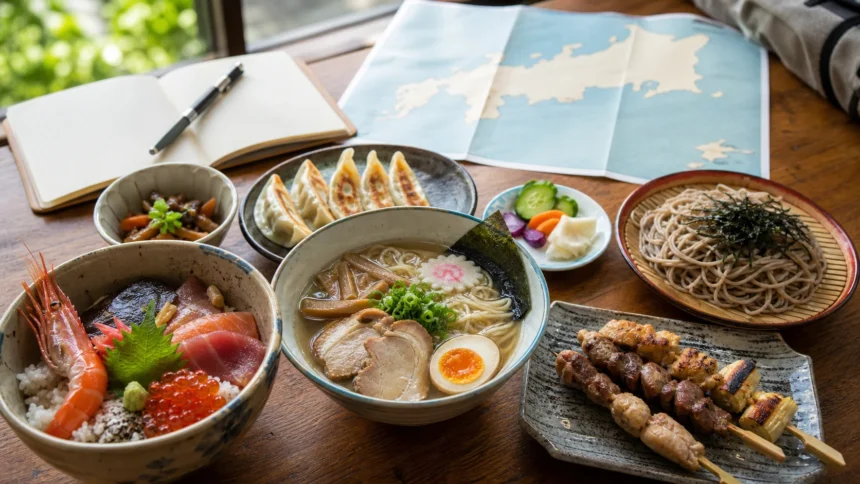
Fukuoka’s official tourism guide presents the city as a food destination with ramen, motsunabe, mizutaki, seafood, mountain ingredients, and yatai. These are useful starting points, not a single required menu. Restaurants and stalls vary in stock, ingredients, portion, payment, seating, and service flow.
- Hakata ramen: a quick meal format that still requires shop-level checks for stock, toppings, wheat, egg, broth, payment, and noodle options.
- Motsunabe and mizutaki: seated shared meals that may need time, a minimum order, and advance booking.
- Seafood: a good fit for a market or restaurant route, with season and shop-specific availability.
- Yatai: a small, weather-sensitive outdoor format where group size, luggage, cash, and toilet access matter.
How to approach yatai
Treat a yatai visit as a live decision rather than a guaranteed late-night attraction. Check the current Fukuoka City guidance or the stall’s own current notice. Rain, wind, owner decisions, limited seating, crowds, luggage, cash, and the lack of an on-site toilet can all change the experience.
Travelers with serious allergies or dietary restrictions should ask about ingredients directly and keep an indoor backup. A yatai label does not tell you the full stock, sauce, broth, cross-contact risk, or cooking surface.
Fukuoka and the wider Kyushu route
For a longer trip, use the Kyushu Food Guide. It separates Fukuoka, Nagasaki, Kumamoto, Kagoshima, and Beppu so you can decide whether a detour deserves a hotel night or only creates transfer pressure. Fukuoka can be enough for a short food trip; it is not a complete substitute for every Kyushu food tradition.
Practical links
Start with the area hub for the wider map. Use Food Itinerary Planning for route timing, and Practical Food Guides for ordering, reservations, queues, payments, and dietary communication.
FAQ
Is Fukuoka mainly a ramen destination?
No. Ramen is one useful entry point, but hot pots, seafood, yatai, cafes, markets, and regional ingredients create a wider food trip.
Are Fukuoka yatai open every night?
Do not assume that. Weather, stall schedules, owner decisions, seating, and current notices matter. Keep an indoor meal as a backup.
Can Fukuoka be a base for all of Kyushu?
It can be a gateway, but a wider Kyushu route needs separate transport and hotel decisions. Use the Kyushu guide before adding Nagasaki, Kumamoto, Kagoshima, or Beppu.
Sources
Editorial disclosure: This is an independent Fukuoka food-planning guide. It does not guarantee a stall, restaurant, menu, price, or transport connection.