Plan Tokyo food by area, not by a citywide checklist
Short answer: choose a Tokyo base that matches your hotel and the day’s main activity, then group meals around nearby stations or neighborhoods. Tokyo offers almost every food style, but the city is large enough that a restaurant can be “near Tokyo” and still be inconvenient for the rest of your day.
Last checked: August 15, 2026. Restaurant hours, menus, reservations, queues, payment, and event operations change. Use the current official venue or transport page before making a fixed plan.
Start with your Tokyo base
| Base or area type | Useful when… | Food planning approach |
|---|---|---|
| Tokyo Station and Marunouchi | You need rail connections, an arrival meal, or a departure-day fallback | Use station food, department stores, hotel dining, and short walking routes |
| Shinjuku | You want a busy base with many evening and late-day choices | Separate the station, west, east, and entertainment-area decisions |
| Asakusa and the east side | You want a slower historic atmosphere and traditional snack stops | Pair sightseeing with an early meal and a simple station backup |
| Shibuya and Harajuku | You want shopping, fashion, cafes, pop culture, and quick changes of plan | Reserve only the high-value meal; keep cafes and casual food flexible |
| Ginza and Nihonbashi | You want department stores, established restaurants, and a polished meal | Check booking, dress, budget, and closing-day details |
Use the Tokyo cluster by question
For station food, start with the Tokyo Station Food Guide. It is useful for arrival, departure, bento, food halls, and short connections. For a busy neighborhood base, read the Shinjuku Food Guide.
For route design, use Tokyo Food Itinerary by Area and One-Day Tokyo Food Route. For a first three-day plan, read Three-Day Tokyo Food Itinerary. If weather changes the day, use Rainy-Day Food Plan in Tokyo.
What to eat in Tokyo
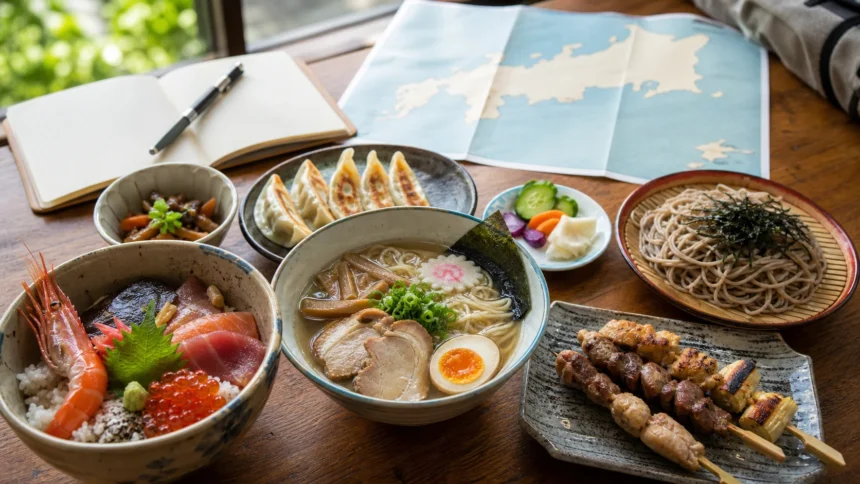
Tokyo is a place to compare rather than a city with one required dish. You can use the city for sushi, ramen, soba, tempura, yakitori, wagashi, bakery food, convenience-store meals, depachika food, hotel dining, and international food. Choose two or three food questions for the trip instead of trying to sample everything.
- Fast and flexible: station food, lunch sets, bakery stops, convenience stores, and food halls.
- Classic meal: reserve one restaurant and keep the surrounding route short.
- Neighborhood discovery: choose one area and eat where the day already takes you.
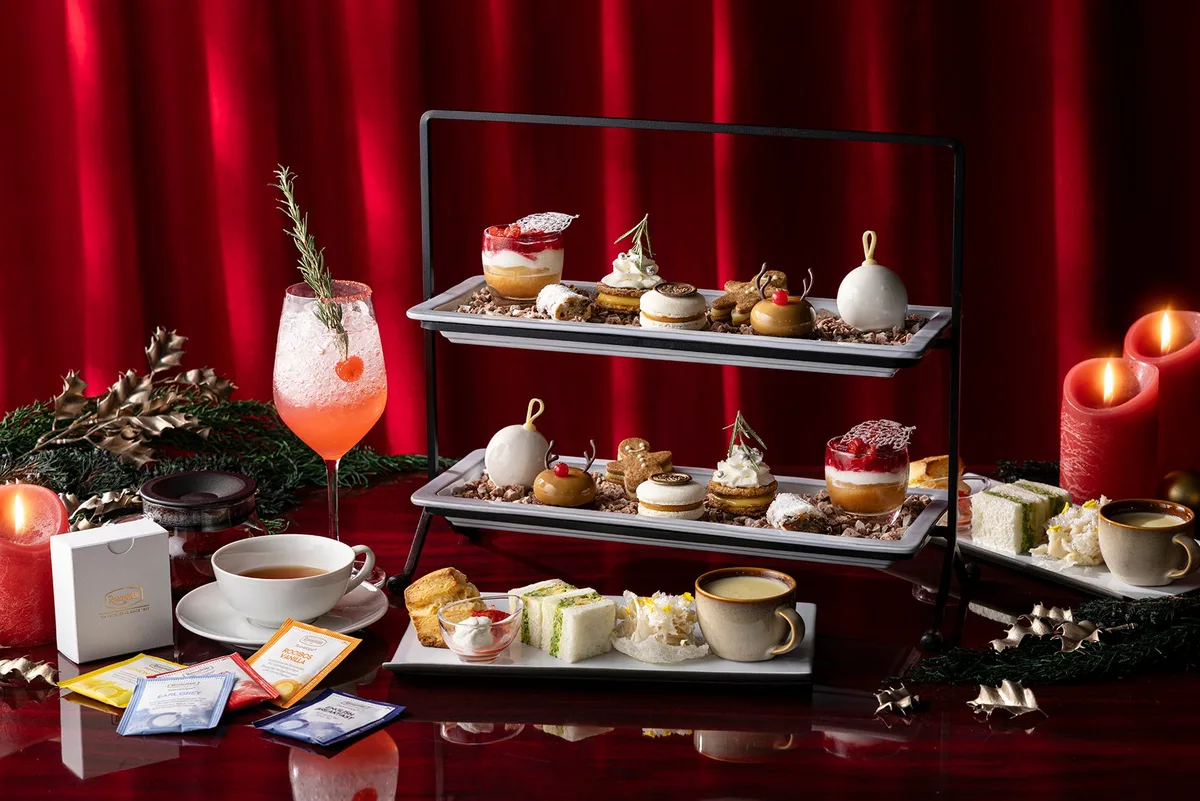
- Special experience: protect time for a tea room, hotel meal, market, theme park, or character cafe.
Timing matters more than a long restaurant list
A Tokyo day can become fragile when it combines a timed attraction, a long cross-city ride, a queue, and a reservation with no cancellation flexibility. Put one fixed meal or activity in the middle of the day and use nearby options before and after it. Early lunch can be more comfortable than trying to eat at the most popular time.
For serious allergies, religious restrictions, or strict dietary needs, contact the individual restaurant. A dish name or attractive photo does not prove ingredients, cross-contact controls, or a safe substitution. Keep a backup near a station or hotel.
Three useful Tokyo patterns
| Trip pattern | Food shape | Best supporting guide |
|---|---|---|
| First arrival | Hotel area meal, station food, easy breakfast, no difficult transfer | Food Itinerary Planning |
| Pop-culture day | Akihabara, Ikebukuro, Shibuya, cafes, goods, and planned rest stops | Japan Pop Culture Travel |
| Food-led day trip | One main destination, one protected meal, and a return connection | Food Day Trips from Tokyo |
Tokyo mistakes to avoid
- Choosing restaurants by citywide reputation before checking the route.
- Assuming a station name means every exit and neighborhood is equally convenient.
- Filling every meal with a reservation and leaving no recovery time.
- Using an old event page as proof that a limited menu or cafe still operates.
- Ignoring the return journey after a meal outside the central route.
FAQ
Should I book restaurants in several Tokyo neighborhoods?
Usually no. Book the one meal that matters most, then keep nearby options flexible. Crossing the city for every reservation creates more risk than value on a first trip.
Is Tokyo Station a good food base?
It is useful for arrivals, departures, rail connections, food halls, and mixed groups. It is not automatically the best base for every neighborhood or late-night plan.
Can I find food without speaking Japanese?
Many travelers can manage with menus, pointing, translation, and simple formats, but support varies. Use the practical guides and keep a backup when allergies or strict dietary needs are involved.
Sources
Editorial disclosure: This is an independent Tokyo food-planning guide. It does not rank restaurants or guarantee current operations.