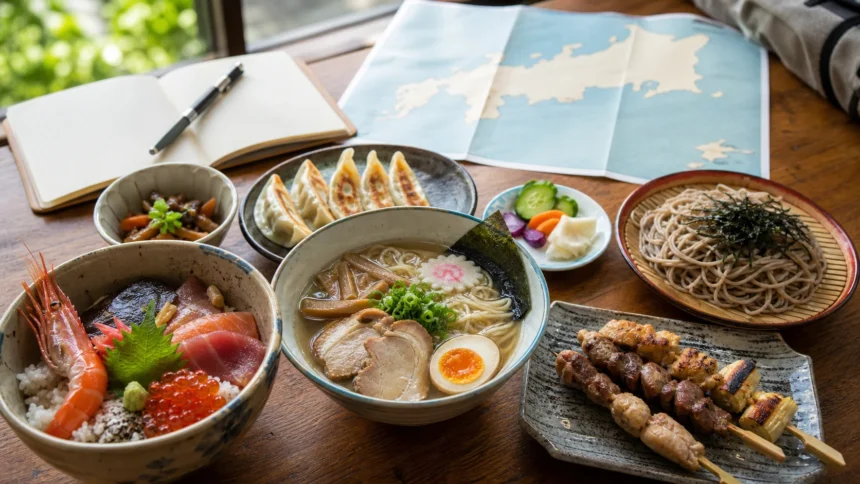
Use Sapporo as a city base for Hokkaido food
Short answer: Sapporo is a practical first base for Hokkaido seafood, ramen, dairy, produce, markets, beer, and seasonal eating. It is also a reminder that Hokkaido is large: a Sapporo food trip and a full Hokkaido route need different time, transport, and weather assumptions.
Last checked: August 15, 2026. Weather, snow, transport, seasonal products, restaurant operations, and attraction schedules change. Check current official information before committing to a long-distance route.
Choose by the kind of Sapporo trip
| Trip style | Food focus | Planning priority |
|---|---|---|
| Short city break | One market or seafood meal, ramen, soup curry, cafe or sweets | Keep the route compact and protect indoor backups |
| Winter visit | Warm meals, soup curry, ramen, hot drinks, and hotel breakfast | Snow, walking conditions, closures, and extra transfer time |
| Summer or harvest trip | Seafood, produce, dairy, sweets, beer, and seasonal markets | Confirm the current season and do not promise a product year-round |
| Wider Hokkaido route | Sapporo as one base or gateway, then separate regional food stops | Use operator schedules and protect the return connection |
What to look for
Sapporo is associated with several food paths, including seafood, miso ramen, soup curry, dairy, sweets, produce, and beer. These categories are broad enough to support different budgets and seasons. They are not a promise that every restaurant uses the same ingredients or that every dish suits every diet.
- Seafood and markets: useful for a morning or lunch route, with current catch, shop, price, and queue differences.
- Ramen: compare the shop’s current menu, broth, toppings, wheat, egg, and ordering flow.
- Soup curry: plan for spice, portion, wait time, ingredients, and possible reservations or ticket systems.
- Dairy and sweets: use cafes, department stores, station shops, and producers while checking current seasonal availability.
Keep the city and the region separate
Use the existing Hokkaido Food Guide when you are considering Otaru, Hakodate, Asahikawa, Furano, Biei, eastern Hokkaido, or a producer route. Distances are meaningful, and a food stop can require a car, a rail commitment, or a hotel change. Sapporo is an excellent base for some trips, but it is not a shortcut to every Hokkaido destination.
Practical Sapporo planning
On a first trip, put one destination-specific meal into each day and leave the other meal flexible. This works better than crossing the city twice for several famous dishes. Use department stores, stations, hotels, and casual restaurants as recovery options when weather, queues, or appetite changes.
For serious allergies or dietary restrictions, ask the individual restaurant about broth, sauces, seafood, dairy, wheat, egg, and cross-contact. Hokkaido’s reputation for a food category does not establish a safe recipe at every venue.
Start with the wider map
Use the Japan Destinations by Area hub to compare Sapporo with Tokyo, Osaka, Kyoto, and Fukuoka. Use Food Itinerary Planning for route length, weather, and backup choices.
FAQ
Is Sapporo enough for a Hokkaido food trip?
It can be enough for a short city stay. A wider Hokkaido trip needs separate route, weather, and accommodation planning because distances are significant.
What should I prioritize in winter?
Choose warm meals, indoor routes, hotel breakfast, and flexible timing. Snow and transport conditions should shape the day more than a fixed restaurant list.
Are Hokkaido food products available year-round?
Availability varies by product, season, supplier, and venue. Treat seafood, produce, fruit, and limited sweets as current checks rather than permanent promises.
Sources
Editorial disclosure: This is an independent Sapporo food-planning guide. It does not guarantee current menus, product availability, prices, or transport conditions.