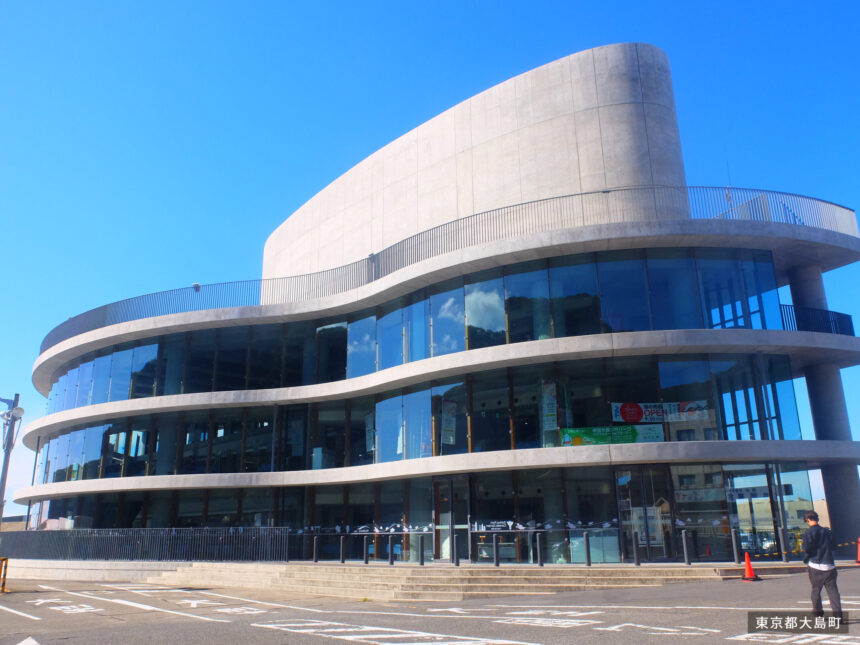
Oshima Ferry Pet Rebooked Departure Bus After-Exit Lodging Morning Route Checkpoint Clear Next Move Decision Guide
Short answer: When the first-move checkpoint is clear with a pet on Izu Oshima, choose the next move by matching the current ferry, port, boarding, bus, taxi, lodging, weather, ticket, pet proof, carrier, phone, and luggage state to one action: proceed, wait, ask staff, contact the driver or lodging, or step back to the safe point.
Last checked: August 25, 2026. Ferry operation status, port choice, bus operation, taxi availability, lodging pickup, checkout timing, waiting-place permission, pet rules, staff messages, announcements, display changes, weather, warnings, road conditions, vehicle drop-off points, counter replies, payment handling, terminal access, boarding procedures, and local conditions can change. Always follow current Tokai Kisen, JMA, Oshima Tourism Association, Izu Oshima Navi, terminal, lodging, driver, and local staff guidance.
Choose One Action
A clear checkpoint is a good sign, but it is not permission to rush several steps at once. Choose one action: proceed to the named place, wait where you are, ask staff, contact the driver or lodging, or step back to the safe point.
One action keeps the pet carrier stable and makes the next correction easier if the cue changes again.
Match The Ferry Layer
Tokai Kisen’s operation-status page is the current ferry reference and tells users to refresh before checking listed information. Oshima has two ports, and Oshima Tourism Association explains that Okada Port and Motomachi Port are used depending on sea conditions, with the departure port not known until the day itself.
If the checkpoint is clear because the port, sailing, counter, gate, or line all match, proceed only to the next named ferry point. If any of those are still uncertain, the next move is to ask or wait, not to drift toward the crowd.
Match The Boarding Stage
Tokai Kisen’s boarding-flow page says boarding procedures should be completed early and warns that reservations may be forfeited if procedures are not completed 15 minutes before departure. It also says boarding begins after the commencement of boarding is announced, and passengers hand over tickets at the boarding gate.
Use the stage to choose the action. If procedure is incomplete, the move may be counter. If procedure is complete and no announcement has started, the move may be waiting. If boarding has been called and documents are ready, the move may be line or gate.
Match The Pet Requirement
Tokai Kisen’s pet page says pets must be in a cage or basket within the stated size limit with face and body not visible. It also says open tote-style bags cannot be accepted, and pet-ticket purchase is handled at the counter by showing the passenger ticket and stating the destination.
If the carrier is closed, level, ventilated, and controlled, you can choose the next action. If the carrier is shifting, exposed, blocking a path, or making luggage control unstable, the next action is to pause and reset the carrying position.
Match The Weather
JMA’s forecast-services explanation includes weather, winds, coastal ocean waves, temperatures, and precipitation probability, and its warning and advisory pages exist for hazardous weather conditions. A clear indoor checkpoint may not mean the outdoor move is clear.
If the next action leaves shelter or crosses an exposed route, choose proceed only when the weather state and path are acceptable for a traveler carrying both luggage and a pet. Otherwise, wait, ask for a sheltered route, or contact the pickup side.
Match The Local Transport Cue
Oshima Tourism Association lists local transport options such as buses, taxis, rental cars, rental motorcycles, and rental bicycles. Izu Oshima Navi provides local transportation and route-search context, including the practical issue that Oshima’s two-port situation can affect bus timetable display.
If the next action is local transport, match the stop name, direction, vehicle, driver, pickup side, and luggage position. If that cue is not clear, contact the driver or lodging, or ask local staff before moving away from the checkpoint.
Use A Simple Decision Sentence
Say it quietly to yourself or to staff: “The checkpoint is clear; should I proceed to this place, wait here, ask there, call the driver, or step back?” This sentence prevents the plan from becoming vague.
If staff answer with a new place, treat it as the next checkpoint. Move there, pause, and check again.
Do Not Lose The Safe Point
Before leaving the checkpoint, know where you would step back if the cue changes. That may be the same side space, a sheltered wall edge, a waiting area, or a staff-visible spot. A clear checkpoint should still leave a recovery point behind you.
With a pet carrier, the safest plan is often a chain of clear points rather than one long movement.
Checkpoint Clear Next Move Decision Checklist
- Choose one action: proceed, wait, ask staff, contact driver or lodging, or step back.
- Refresh or recheck Tokai Kisen operation status and the current Oshima port when ferry movement matters.
- Match the boarding stage: procedure, waiting, announcement, line, gate, or ticket handover.
- Keep passenger ticket, boarding card, pet-ticket proof, phone, payment, and ID reachable.
- Keep the carrier closed, level, ventilated, visible, and away from feet, wheels, doors, and vehicle paths.
- Use JMA warnings, advisories, and forecasts before leaving shelter or crossing exposed space.
- Confirm bus, taxi, driver, vehicle, or lodging pickup cues separately from ferry or boarding cues.
- Know the next checkpoint and the safe point you can step back to if the cue changes.
Sources
- Tokai Kisen operation-status page
- Tokai Kisen boarding flow
- Tokai Kisen FAQ
- Tokai Kisen pet page and pet-ticket information
- JMA weather warning and advisory page
- JMA forecast-services explanation
- Oshima Tourism Association local transport page
- Oshima Tourism Association accommodation page
- Izu Oshima Navi transportation page
- Izu Oshima Photo Studio source image page
Editorial disclosure: This guide was prepared from official ferry, weather-agency, tourism-association, local-guide, and source-image pages checked on August 25, 2026. It is an independent planning guide and does not replace current Tokai Kisen operation status, JMA warnings or advisories, ticket handling, rebooking decisions, pet-ticket decisions, pet acceptance, fare amounts, payment handling, receipt handling, announcements, display changes, staff calls, baggage handling, arrival-port decisions, departure-port decisions, lodging policies, checkout timing, key or card handling, room checks, waste handoff, carrier route, waiting-place permission, first outdoor stop safety, route-start instructions, driver identity checks, vehicle identity checks, bus-stop directions, cue mismatch decisions, confirmed movement instructions, mid-move safety, last-step decisions, final terminal approach instructions, counter replies, line management, line position, moving-line decisions, pause-and-rejoin decisions, final staff cue decisions, final cue advance, stop-or-reset decisions, reset-complete readvance decisions, final belongings counts, belongings-count mismatch recovery, mismatch-recovered rejoin decisions, rejoined-flow final staff confirmations, staff-confirmed final moves, final-move cue-change stops, cue-change reconfirmation, reconfirmed-cue final advance, final-advance arrival checks, next-action decisions, final staff confirmations, staff-confirmed next-action execution, next-action execution cue-change stops, cue-change stop restart confirmations, reconfirmed restart first moves, first-move checkpoint pauses, checkpoint-clear next-move decisions, morning transport, pickup arrangements, staff contact methods, emergency contact methods, taxi availability, vehicle identity, road conditions, charging permission, translation support, outlet access, Wi-Fi access, staff replies, translation accuracy, or local staff instructions.