How to Read Restaurant Menus in Japan: Photos, Sets, Courses, and Add-Ons
Short answer: Read a Japanese restaurant menu by separating the main dish, set contents, rice or noodle size, toppings, drink options, tax or service notes, and payment flow. Photos help, but they do not explain everything that matters.
This is a practical cluster guide under Practical Food Guides in Japan. Use it before ordering in casual restaurants, food courts, theme parks, station restaurants, and small local shops.
Last checked: August 4, 2026. Menu wording, prices, taxes, service charges, payment methods, allergens, and ordering systems can change. Confirm current details with the exact restaurant before relying on them.
The menu-reading order
When a menu feels busy, do not translate every word first. Read it in this order: main dish, set or course, size, toppings, drinks, price notes, ordering method, and payment method. This keeps you from accidentally ordering more food, missing a required charge, or choosing something that does not fit your schedule.
| Menu part | What to look for | Why it matters |
|---|---|---|
| Main dish | Rice, noodles, meat, fish, curry, tempura, sushi, hot pot, dessert | Photos may show a sample, not every ingredient. |
| Set meal | Rice, soup, salad, pickles, side dish, drink | A set can be better value, but it may include items you cannot eat. |
| Course | Multiple dishes served in order | Usually takes longer and may have reservation or group rules. |
| Size | Small, regular, large, extra rice, noodle amount | Large portions can slow down the next part of the day. |
| Add-ons | Egg, cheese, meat, vegetables, dessert, drink bar | Add-ons change both price and allergens. |
| Price note | Tax included, tax excluded, service charge, table charge | The displayed price may not be the final amount. |
Photos are helpful, but incomplete
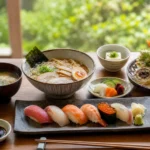
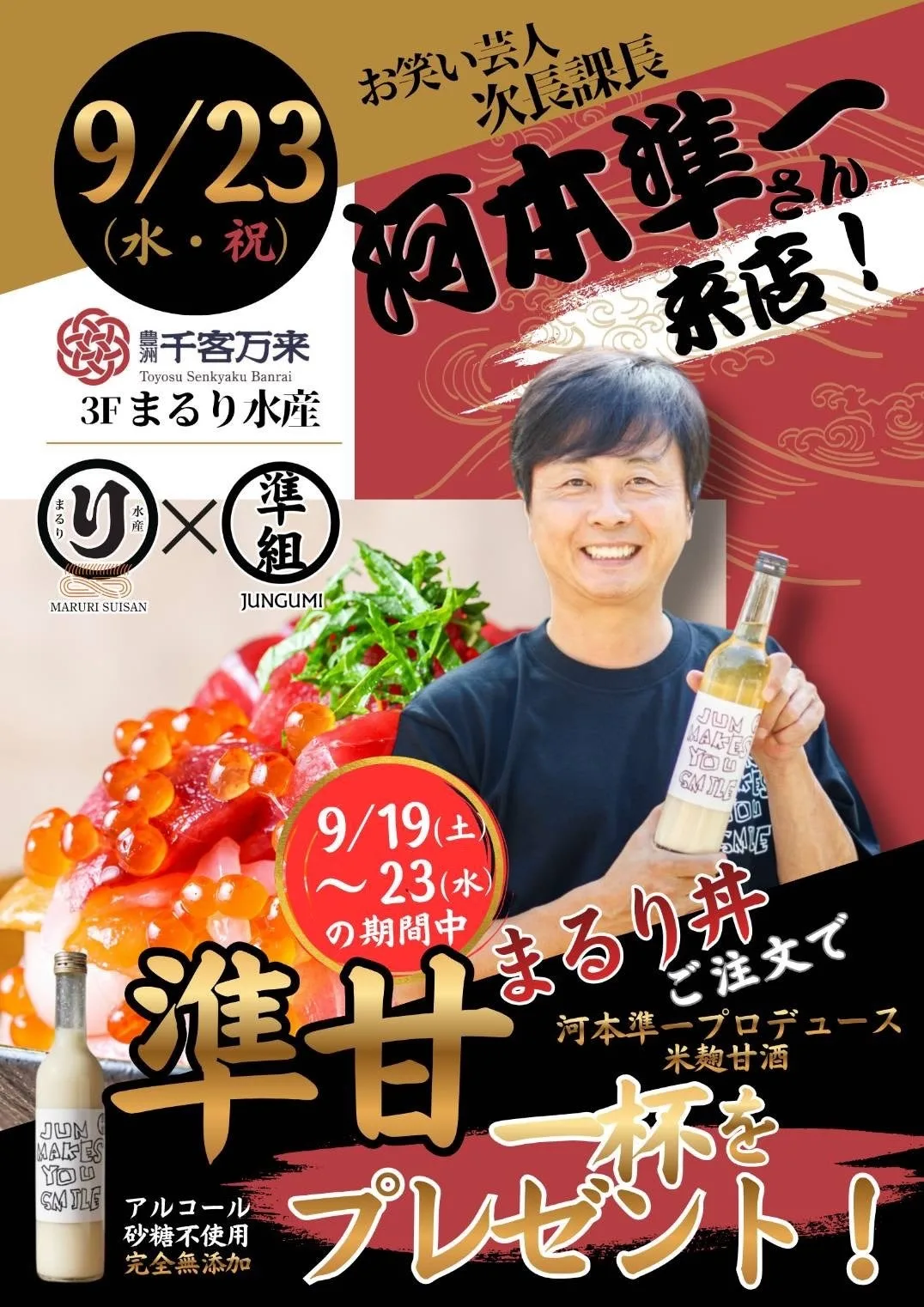
Many Japanese menus use photos, which is excellent for travelers. Still, a photo cannot confirm stock, sauce, garnish, hidden meat extract, shared frying oil, alcohol in seasoning, or whether a side dish comes automatically. Treat the photo as a shape guide, not an ingredient guarantee.
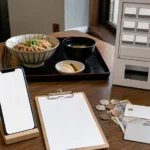
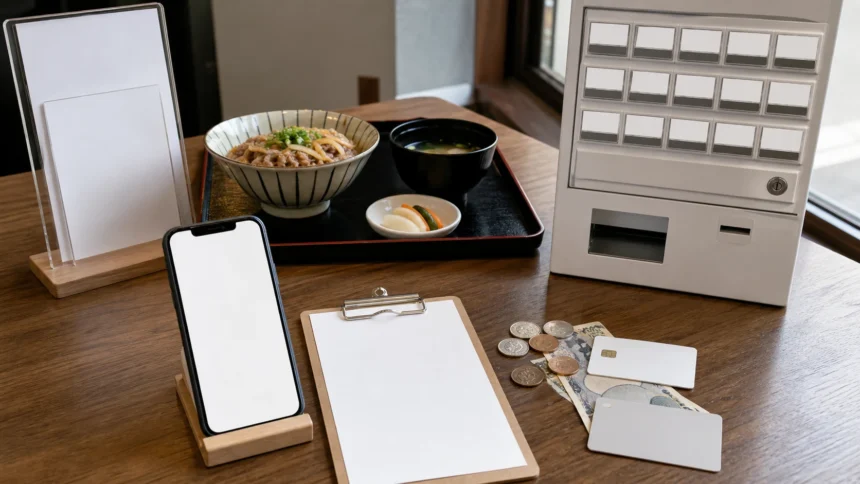
If the menu has a numbered item system, use the number when ordering. If the shop has a ticket machine, match the photo or item number carefully before paying. If you are unsure, choose a simpler dish or ask staff before committing.
Set meals and courses are different
A set meal is usually a main dish plus sides, such as rice, soup, salad, pickles, or a drink. It is common at casual restaurants and can be efficient for lunch. A course is a longer sequence of dishes and may be used at higher-end restaurants, hotel dining, izakaya plans, or special dinners.
For travelers, the time difference matters. A set meal can fit between sightseeing stops. A course may be the evening plan itself. Before choosing a course, check start time, duration, cancellation terms, drink rules, and whether everyone in the group must order the same plan.
Add-ons that change the meal
- Toppings: egg, cheese, meat, tempura, vegetables, seaweed, or extra noodles can change allergens and price.
- Rice or noodle size: larger portions may be cheap, but not always comfortable before walking or transport.
- Drink set: may include coffee, tea, soft drink, or a drink bar. Alcohol rules are separate.
- Side dishes: small plates may contain ingredients not shown in the main photo.
- Limited-time items: seasonal or collaboration menus can sell out or have special ordering rules.
Tax, service, and payment clues
Some menus show tax-included prices, while others show prices before tax. Some venues may add service charges, table charges, private-room charges, or late-night charges. These are not universal rules across Japan, so do not memorize one number and apply it everywhere.
Payment flow also varies. Some casual places ask you to pay at a ticket machine first. Some restaurants bring a bill folder to the table and expect you to pay at the register. Some accept cards or IC cards; others may still prefer cash. For deeper planning, use Cash, Cards, and IC Payments for Food Travel in Japan.
Allergy traps on menus
For allergies or dietary restrictions, the highest-risk menu words are not always the main dish name. Sauces, soup stock, marinades, dressings, toppings, frying oil, side dishes, desserts, and drinks can matter. If the risk is serious, use official allergy information, contact the restaurant in advance, or choose a venue that can clearly explain ingredients and cross-contact risk.
Translation apps are helpful for rough understanding, but they can miss context. Do not use an automatically translated menu as the only basis for a serious medical or religious dietary decision.
Common mistakes
- Ordering from the biggest photo without checking set contents or size.
- Assuming an English title explains all ingredients.
- Missing a course duration when the group has a train or show later.
- Adding toppings before checking the base portion.
- Ignoring service, table, or room-charge notes because they are small.
Related guides
Practical Food Guides in Japan | Table Charges and Service Fees in Japan | Japan Food Allergy Guide for Travelers | Restaurant Reservations in Japan
Sources
- JNTO: Dining out in Japan
- JNTO: Japanese food and drink
- JNTO: Japanese food etiquette
- Consumer Affairs Agency: Food allergy labeling information
Editorial disclosure: This guide is independent and does not rank or promote specific restaurants, chains, apps, or booking platforms.