Choose the area before the cafe
Short answer: Tokyo pop-culture travel works better when you choose the right neighborhood first. Pick Akihabara for dense anime, games, electronics, and specialist shops; Ikebukuro for Sunshine City, Otome Road, and indoor shopping; Nakano for collector hunting around Nakano Broadway; and Odaiba for waterfront malls, events, and family-friendly spacing. Then add food and rest breaks around that area, not across the whole city.
Last checked: August 28, 2026. Store tenants, event dates, cafe campaigns, attraction hours, game-center rules, food options, ticket prices, and access routes can change. Always confirm current details on official area, facility, venue, and operator pages before you go.
Quick area chooser
| Area | Best for | Plan around |
|---|---|---|
| Akihabara | First-time anime, manga, games, electronics, figures, and dense shop-hopping | Short walking loops, cafe reservations, crowded stores, and time limits |
| Ikebukuro | Otome Road, Sunshine City, character shopping, indoor attractions, and group-friendly food | Station exits, mall layout, event crowds, and family breaks |
| Nakano | Secondhand goods, older subculture, collector browsing, and a slower Tokyo fan route | Shop-by-shop opening times, cash/card checks, and luggage space |
| Odaiba | Malls, waterfront views, indoor attractions, events, and a wider family route | Longer walking distances, weather, last entry, and return transport |
Akihabara: dense and easy to overpack
GO TOKYO describes Akihabara as a district tied to gaming, manga, anime, electronics, pop idols, and specialty shopping. Its Akihabara Electric Town page also notes that opening hours vary by floor, store, or facility. That is the important travel lesson: Akihabara is compact, but the day can disappear inside small shops, multi-floor stores, arcades, and themed cafes.
Use Akihabara when you want the strongest first-time “Tokyo pop culture” feeling in a short area. Keep the route small: one reserved cafe or major store, one specialist shop loop, one arcade or capsule-toy stop, and one ordinary meal backup near the station. If your group splits up, agree on a meeting point before everyone enters different shops.
Ikebukuro: indoor, layered, and good for groups
GO TOKYO presents Ikebukuro as a shopping and entertainment hub and notes anime-goods concentration around Otome Road. Sunshine City’s official English site lists major facilities including NAMJATOWN and Bandai Namco Cross Store Tokyo. For travelers, this makes Ikebukuro useful when you need indoor backup, multiple food options, and fan shopping without constantly changing neighborhoods.
Ikebukuro is also easy to underestimate because the station is large. Check exits carefully, especially when meeting friends or moving between Sunshine City, Otome Road, and dinner. If you are visiting with children or mixed-interest travelers, use the mall structure to keep toilets, food, seating, and weather backup close.
Nakano: slower collector energy
GO TOKYO identifies Nakano Broadway as a symbol of otaku culture and a key anime, manga, and subculture shopping area. Nakano is not always the best first stop for someone who wants a flashy collaboration cafe. It is better for browsing, secondhand finds, older goods, smaller shops, and people who enjoy the search itself.
Make Nakano a half-day rather than a rushed add-on after Akihabara. Collector shopping takes attention: condition, price, luggage space, payment method, and whether an item is actually worth carrying home. Put lunch before or after the main browsing window so hunger does not push you into buying quickly.
Odaiba: wide spacing and event backup
GO TOKYO describes Odaiba as a Tokyo Bay entertainment and shopping area reached by Yurikamome, Rinkai Line, or water bus. It works well when you want malls, waterfront views, family-friendly movement, and large indoor attractions rather than narrow street shopping. Tokyo Joypolis’s official English page is a useful reminder that attraction hours, last entry, outside-food rules, crowded days, and park rules can be part of the plan.
Odaiba can be excellent for event days, but it is spread out. Choose the main building first. Then choose food in or near that building before adding another mall, attraction, or waterfront walk. On rainy, hot, or crowded days, Odaiba rewards travelers who keep the route inside one cluster.
Food and game-center breaks
Do not treat food as an afterthought. Pop-culture days often stretch because stores have queues, arcades absorb time, and limited goods create decisions. Plan one real meal, one drink or rest stop, and one backup near your final station. A game-center stop should have its own spending limit and meeting time so the group does not drift for hours while hungry.
For strict diets, allergies, or tired children, do not rely on a themed menu or event food. Use a mall, station, hotel-area restaurant, or convenience store as the practical fallback. The fan stop should be the highlight, not the only available meal.
How to build a day
| Step | Decision | Reason |
|---|---|---|
| 1 | Choose one main area | Cross-city fan routes waste energy |
| 2 | Book or verify the fixed stop | Cafes, events, and attractions can control the schedule |
| 3 | Add one flexible shopping loop | Browsing expands naturally |
| 4 | Choose a normal meal backup | Themed food can sell out or disappoint |
| 5 | Stop before the group is exhausted | The best fan day leaves room to enjoy what you bought |
Use This With Related Guides
Use this area guide with Anime, Manga, and Pop Culture Travel Guide to Japan. For cafe-specific booking rules, read Character Cafes in Japan.
Photo credit
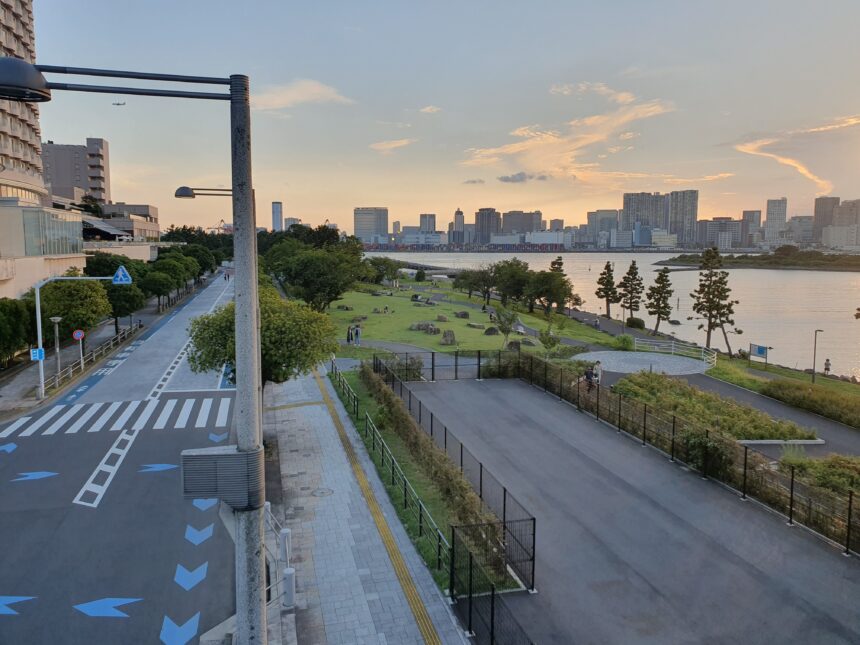
Featured image: Odaiba town and sea promenade by Syced via Wikimedia Commons, CC0 1.0 Public Domain Dedication. Cropping or resizing may be applied for site display. The image is used as neutral public-area context and does not imply endorsement by Tokyo Metropolitan Government, GO TOKYO, Sunshine City, Tokyo Joypolis, any store, venue, brand, rights holder, Wikimedia, or the creator.
Sources
- GO TOKYO official Akihabara guide
- GO TOKYO official Akihabara Electric Town page
- GO TOKYO official Ikebukuro walking guide
- GO TOKYO official Nakano guide
- GO TOKYO official Odaiba guide
- Sunshine City official English site
- Sunshine City official facility list
- Tokyo Joypolis official English page
- Wikimedia Commons image file and CC0 license record
Editorial disclosure: This is an independent travel-planning guide. It is not affiliated with Tokyo Metropolitan Government, GO TOKYO, Sunshine City, Tokyo Joypolis, any store, venue, brand, rights holder, Wikimedia, or the image creator.