Buy with a plan, not panic
Short answer: character goods and food souvenirs in Japan are easier to enjoy when you decide the purpose before shopping. Separate gifts, edible souvenirs, collectibles, cafe goods, random items, and personal keepsakes. Then check official stores, current notices, purchase limits, shelf life, allergens, luggage space, and your real budget before chasing limited items.
Last checked: August 28, 2026. Store hours, closures, stock, product lines, purchase limits, tax-free rules, prices, food labels, campaign items, and cafe goods can change. Always confirm current details through official store, mall, cafe, or event sources before relying on them.
Decide what the item is for
Character shopping feels emotional because the best items are often limited, branch-specific, seasonal, or tied to a cafe visit. That does not mean every item deserves suitcase space. Before entering the store, choose the purpose: a gift, an edible souvenir, a collectible, a useful travel item, or a memory of the day.
Once the purpose is clear, shopping becomes calmer. A tin of cookies may be a great gift but a poor collector item if the package dents. A plush may be perfect for you but difficult to carry. A random coaster may be fun at the cafe but expensive if you keep buying for one design.
Official stores and area shopping
Official store lists are the safest starting point. Pokemon official sources list Pokemon Center and related store locations, while individual shop pages remind travelers that hours and closures can change. Sanrio official sources provide official store-search routes and brand-managed cafe or shop information. Use those official pages before relying on a map pin, social post, or old blog.
Area guides help with route shape. GO TOKYO identifies Akihabara as a dense pop-culture shopping area with anime, manga, games, figures, electronics, and specialty shops. GO TOKYO also identifies Nakano Broadway as a major anime, manga, and subculture shopping area. Use official area pages to choose the neighborhood, then use official store pages to confirm the actual shop.
Food souvenirs need extra checks
Character cookies, chocolates, tins, cakes, and drinks can be excellent gifts, but they add practical checks that a keychain does not. Look at shelf life, storage, allergens, package strength, liquid rules, heat, and whether the recipient can read or use the item. Do not assume a cute package means the food fits every traveler.
If you are buying for friends overseas, check your return route and your home-country import rules. For uncertain items, station food halls, airport shops, and department stores can be better backups because they usually offer more ordinary packaging and clearer gift options.
Random goods and purchase limits
Random goods are designed to be exciting, but they can stretch a budget quickly. Decide the maximum number before you line up. If the rules limit purchases per person, respect the limit. If the desired item sells out, do not build the rest of the trip around chasing resale or another branch unless an official source confirms stock and access.
Cafe goods need the same discipline. A collaboration cafe may separate meal cost, drink cost, goods cost, reservation goods, and bonus items. Keep the cafe budget separate from the shopping budget so the experience still feels good after the bill.
Shopping checklist
| Question | Check | Why |
|---|---|---|
| Is the store real and current? | Official store list or facility page | Old posts and maps can outlive closures |
| Is the item edible? | Dates, storage, allergens, liquids, heat | Food gifts fail when travel conditions are ignored |
| Is it limited? | Official campaign and purchase-limit notice | Stock and rules can change quickly |
| Is it random? | Per-item price and maximum attempts | Random buying can quietly break the budget |
| Can you carry it? | Suitcase space, weight, fragility | The best souvenir still has to get home |
Photo and posting caution
Do not copy official product images, menu art, package designs, character illustrations, store logos, or campaign visuals unless permission is explicit. If you photograph your own purchase, remember that the copyrighted design may be the main subject. That may be fine for personal memories, but it is not automatically safe for public commercial use.
For travel planning, write down the store, date, item name, and official page instead of relying on a photo of a shelf. Notes are often more useful than a risky image.
Use This With Related Guides
Use this guide with Anime, Manga, and Pop Culture Travel Guide to Japan. If goods are tied to a cafe reservation, compare with Character Cafes in Japan. For Tokyo shopping areas, use Tokyo Pop Culture Areas: Akihabara to Odaiba.
Photo credit
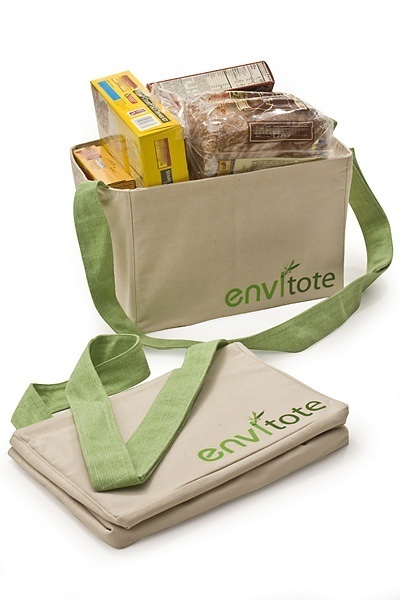
Featured image: Reusable Bag by Tanacollins via Wikimedia Commons, public domain. Cropping or resizing may be applied for site display. The image is a generic shopping-bag photo and does not show or imply endorsement by Pokemon, Sanrio, any store, mall, cafe, brand, rights holder, Wikimedia, or the creator.
Sources
- Pokemon Center official store list
- Pokemon Center MEGA TOKYO official shop page
- Sanrio official English page
- Sanrio official store list
- GO TOKYO official Akihabara guide
- GO TOKYO official Akihabara Electric Town page
- GO TOKYO official Nakano guide
- Wikimedia Commons image file and public-domain record
Editorial disclosure: This is an independent travel-planning guide. It is not affiliated with Pokemon, Sanrio, GO TOKYO, Tokyo Metropolitan Government, any store, mall, cafe, brand, rights holder, Wikimedia, or the image creator.