Oshima Botanical Garden by Bus Guide
Short answer: Use Oshima Park as a plant-focused bus stop when you want camellias, coastal plants, and island vegetation without committing to a full hike. Get off at Oshima Park, choose a short botanical loop first, and add the coastal trail only if the weather and return bus work.
Last checked: August 21, 2026. Park closures, trail conditions, weather, seasonal flowering, greenhouse access, bus timetables, fares, pass sales, and payment rules can change. Always check official pages before travel.
Start At Oshima Park Stop
Oshima Bus lists Tokyo Metropolitan Oshima Park on the Oshima Park Line, Rainbow Line, and Osabaku Line. The official sightseeing page gives the stop as Oshima Park and the walk from the stop as 0 minutes.
That makes the park easy to start, but not automatically quick to finish. The Tokyo Bureau of Environment says Oshima Park covers 3,277,542 square meters. Decide before you walk whether this is a short plant stop, a camellia-and-museum visit, or a longer coastal-trail day.
What Counts As Botanical Here
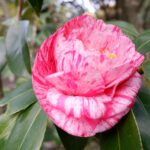
Oshima Town describes the camellia garden as 7 hectares and says that, together with the coastal-side area across the island road, it forms a 22-hectare botanical garden. The town page also describes the coastal-side area as a broad lawn with views toward the Boso Peninsula, where visitors can see camellias, subtropical plants, and plants of the Izu Islands.
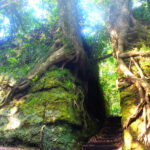
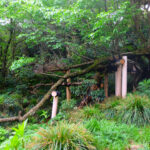
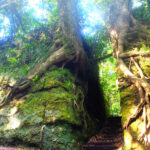
The Tokyo Bureau of Environment English page gives a useful wider frame: Oshima Park is part of Fuji-Hakone-Izu National Park, and the park uses Oshima’s coastline, evergreen forests, and island landscapes. Think of it less as a glasshouse garden and more as a natural-park botanical stop.
Short Walk Or Full Trail
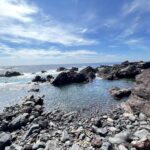
The coastal trail is the ambitious option. Tokyo’s English park page says the Coastal Trail is about 5.5 kilometers in total and takes about 3 hours to walk in full. It follows the coastline and then heads toward a pine forest with broad views.
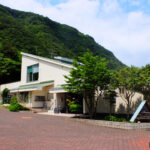
For most bus travelers, the better first plan is shorter: use Oshima Park stop, visit the camellia garden or Camellia Museum area, sample the coastal-side plant scenery, and keep a return-bus buffer. Save the full trail for a day with stable weather, enough daylight, and shoes that can handle uneven ground.
Seasonal Plant Expectations
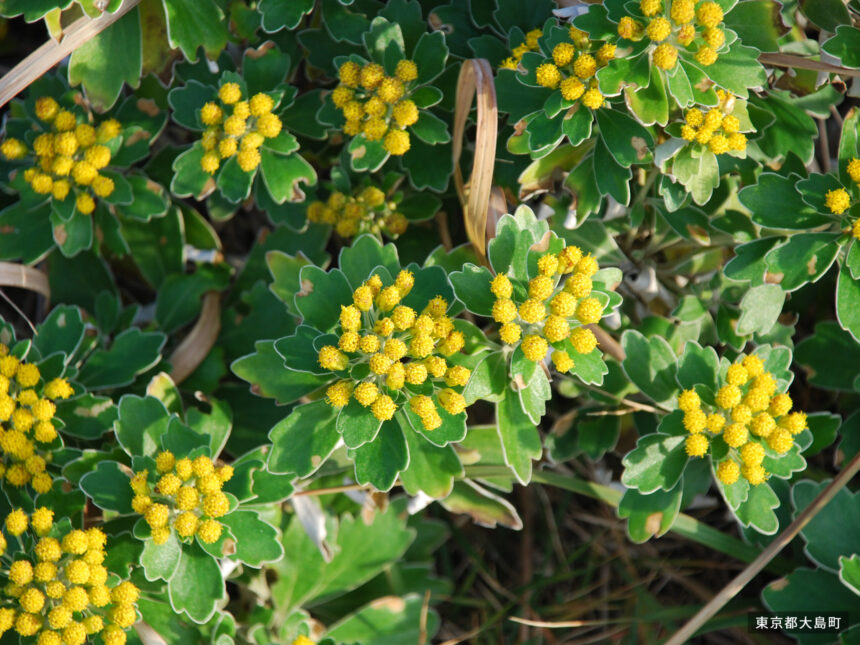
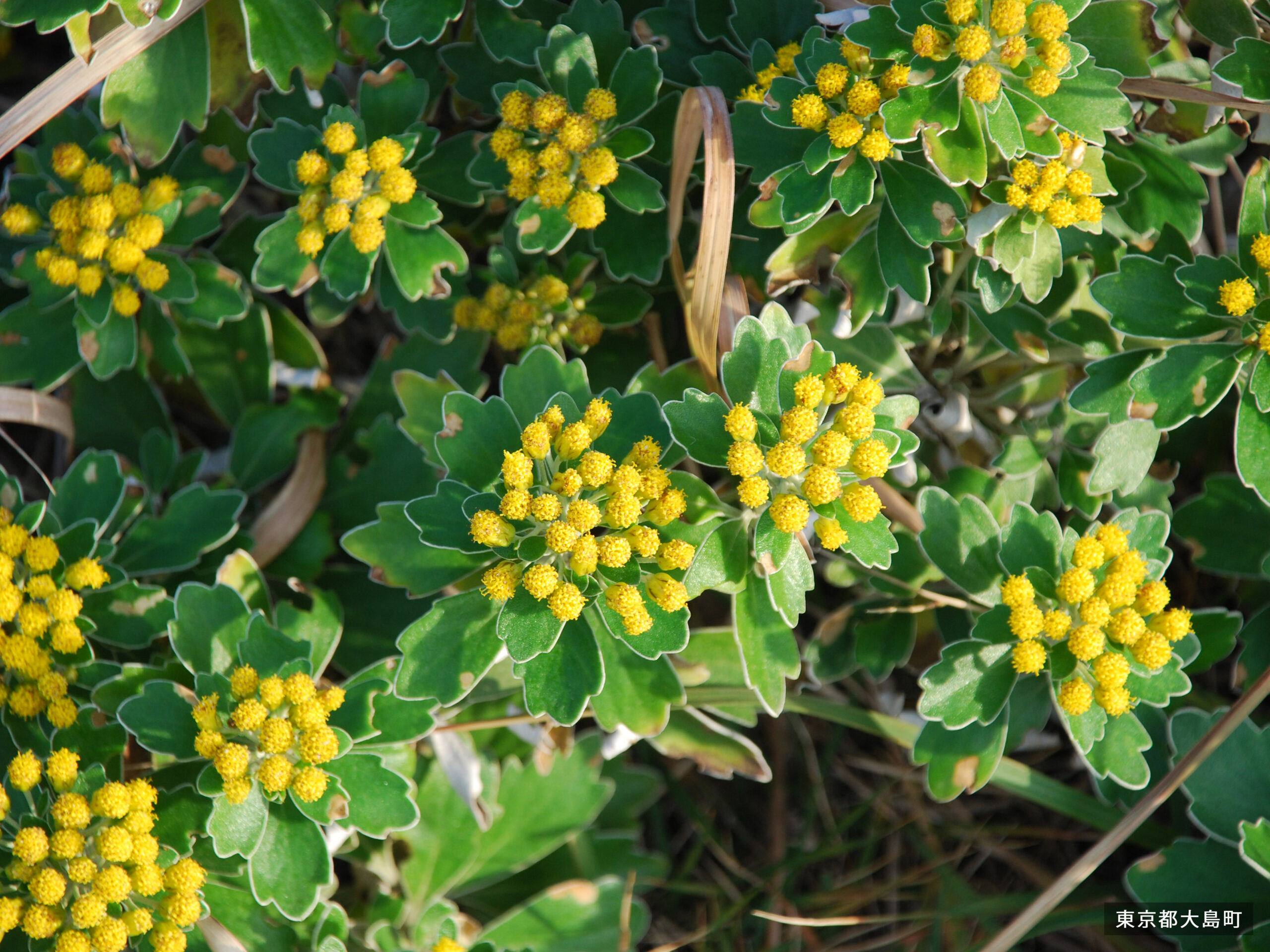
Tokyo’s English page lists different flowers and foliage by season, including hydrangea and Japanese cheesewood in spring, lilies and daylilies in summer, Chrysanthemum pacificum and leopard plant in autumn, and Japanese camellia in winter. It also notes the Kasamatsu seaside plant community, designated a national natural monument in 1951.
Oshima Town’s plant page helps set island-wide expectations. It describes Oshima as a flower-colored island with many endemic and near-endemic plants, and notes camellias, Oshima zakura, Oshima tsutsuji, gaku-ajisai, sakuyuri, and isogiku as part of the island’s plant identity. Use those as seasonal clues, not as guarantees for a specific day.
Bus Money And Cautions
When checked, Oshima Bus’s route-bus page showed a timetable period from July 1, 2026 to September 30, 2026. It listed a one-day pass at 2,500 yen for adults and 1,250 yen for children, and a two-day pass at 3,800 yen for adults and 1,900 yen for children, valid on all routes.
The Oshima Bus FAQ says Suica, PASMO, and other IC cards are not accepted. Cash and PayPay are accepted, and on-bus change is available only for 50 to 500 yen coins and 1,000 yen notes. Bring small cash, especially if you are timing a return bus from a quiet stop.
Good Fit
- Choose this stop if you want plants, coast, and a natural-park atmosphere by bus.
- Keep the full coastal trail separate from a quick Oshima Park visit.
- Use the Camellia Museum as a weather backup or context stop.
- Do not pick flowers, take cuttings, or step into planted or protected areas.
- Check the return bus before adding zoo, museum, greenhouse, or trail time.
Sources
- Tokyo Bureau of Environment English Oshima Park page
- Oshima Town official Oshima Park page
- Oshima Town official plant page
- Oshima Bus sightseeing page
- Oshima Bus route-bus page
- Oshima Bus FAQ
- Izu Oshima Photo Studio source image and terms
Editorial disclosure: This guide was prepared from official Tokyo, town, transport, and source-image pages checked on August 21, 2026. Park closures, trail conditions, weather, seasonal flowering, greenhouse access, bus timetables, fares, pass sales, payment rules, and facility notices can change, so check official pages before travel.