Oshima Komegetaro Forest Edge by Bus Guide
Short answer: Add Komegetaro if you want the Oshima coastal trail to shift from sea-and-rock scenery into forest observation. It is a quiet bus-linked stop for noticing trees, old land-use traces, vines, and understory plants near Oshima Park.
Last checked: August 21, 2026. Trail closures, rockfall restrictions, protected-area rules, weather, sea conditions, bus timetables, fares, pass sales, and payment rules can change. Always check official pages before travel.
Why Komegetaro Works
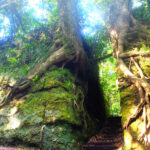
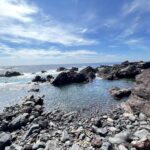
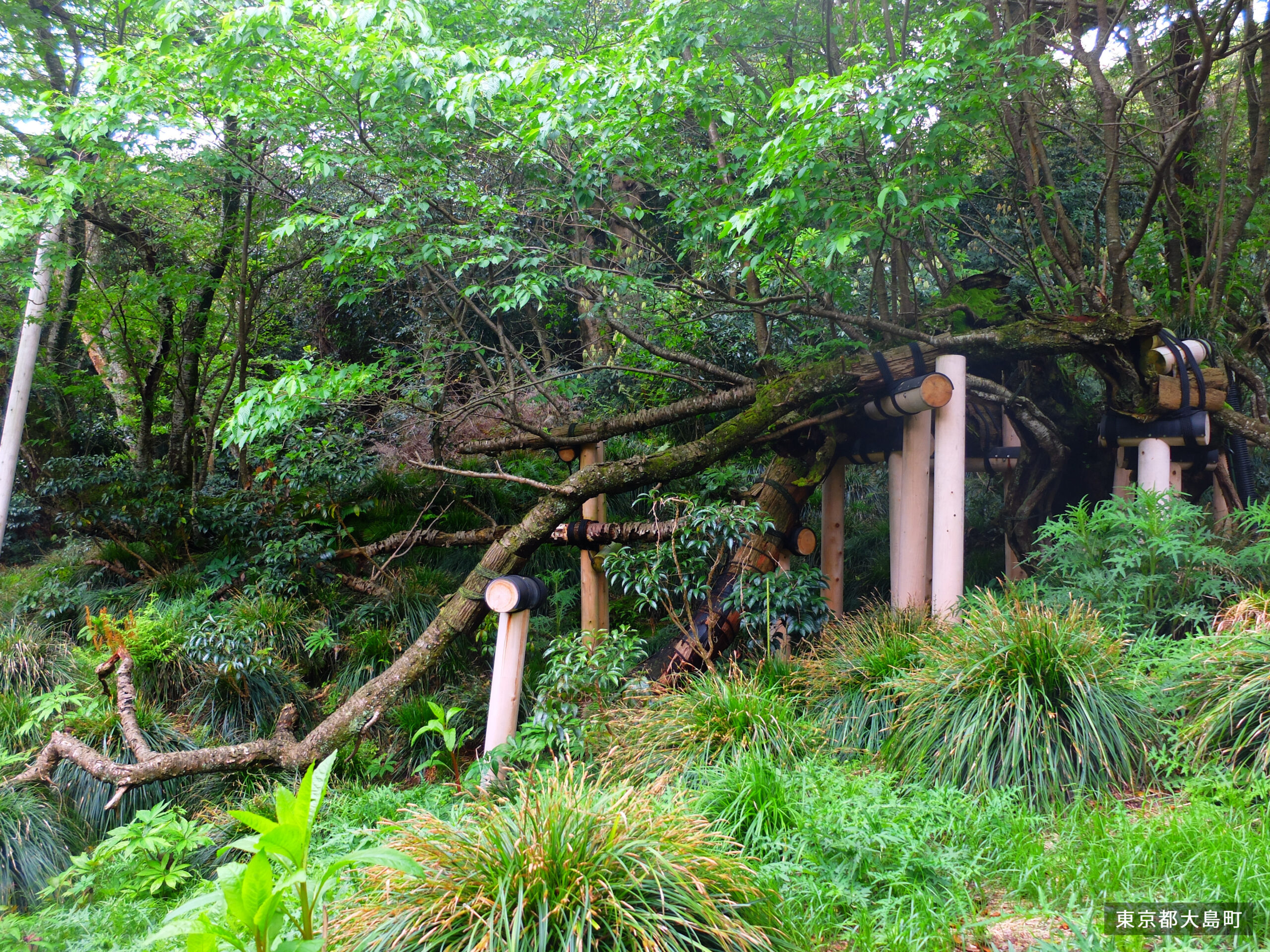
The Tokyo Oshima Branch hiking page says that around Komegetaro, as walkers approach Oshima Park, the path moves slightly away from the sea and into forest. That makes it a good mental turning point: the coastal trail is no longer only about waves, reefs, and exposed plants.
The same official page lists evergreen broadleaf trees such as Daphniphyllum teijsmannii, Camellia japonica, Eurya japonica, and Neolitsea sericea, plus deciduous Oshima cherry. It also notes vines and understory plants such as Trachelospermum asiaticum, Piper kadsura, and Arisaema thunbergii.
Look For Landscape History
Komegetaro is especially interesting because the official page says trees in this area were once cut for firewood and charcoal. Thin trunks and trees splitting from the base are visible clues. For travelers, that turns a simple forest section into a small lesson in how people once used island woodland.
Observe without touching or collecting. Do not break branches, pull vines, remove leaves, or leave the path to inspect roots. Forest-edge places are easy to damage because the details are small and close to the walkway.
Bus And Trail Logic
The full Senzu coastal path runs about 5.5 km from Nihonmatsu in Senzu to Gyoja Tunnel and takes 2 to 3 hours because of ups and downs, according to Tokyo Oshima Branch. The same page says walkers can move by bus between Senzu and Oshima Park if they exit to the island road.
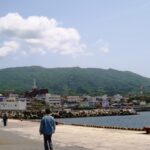
Tokyo’s English Oshima Park page says the Coastal Trail follows the coastline and then heads toward pine forest, and that travelers can take a bus from the airport or harbor to Oshima Park bus stop. Use that Oshima Park side as your practical anchor if you only want the forest-edge atmosphere rather than the full trail.
Money And Timing
When checked, the Oshima Bus route-bus page showed a timetable period from July 1, 2026 to September 30, 2026. It listed a one-day pass at 2,500 yen for adults and 1,250 yen for children, and a two-day pass at 3,800 yen for adults and 1,900 yen for children, valid on all routes.
The Oshima Bus FAQ says Suica, PASMO, and other IC cards are not accepted. Cash and PayPay are accepted, and on-bus change is available only for 50 to 500 yen coins and 1,000 yen notes. Carry small cash and leave time to wait calmly after the walk.
Best Fit
- Choose this if you like tree ID, forest edges, and subtle landscape history.
- Skip it if you want only dramatic sea views or a quick photo stop.
- Keep to the path and leave trees, vines, and understory plants untouched.
- Turn back early if rain, wind, footing, daylight, or bus timing feels poor.
- Use Oshima Park, the Camellia Museum, or onsen stops as practical backups.
Sources
- Tokyo Oshima Branch official hiking course page
- Tokyo Bureau of Environment English Oshima Park page
- Oshima Bus route-bus page
- Oshima Bus FAQ
- Izu Oshima Photo Studio source image and terms
Editorial disclosure: This guide was prepared from official Tokyo, transport, and source-image pages checked on August 21, 2026. Trail closures, rockfall restrictions, protected-area rules, weather, sea conditions, route-bus timetables, fares, pass sales, payment rules, and facility notices can change, so check official pages before travel.