Oshima Matsuzaki Rocky Shore Flowers by Bus Guide
Short answer: Add Matsuzaki if you want a small, plant-focused stop on the Senzu side of the Oshima coastal trail. It works best as a slow observation point below the Camellia Tunnel, not as a place to scramble over rocks or chase guaranteed flowers.
Last checked: August 21, 2026. Trail closures, rockfall restrictions, protected-area rules, weather, sea conditions, seasonal flower timing, bus timetables, fares, pass sales, and payment rules can change. Always check official pages before travel.
Why Matsuzaki Is Different
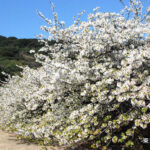
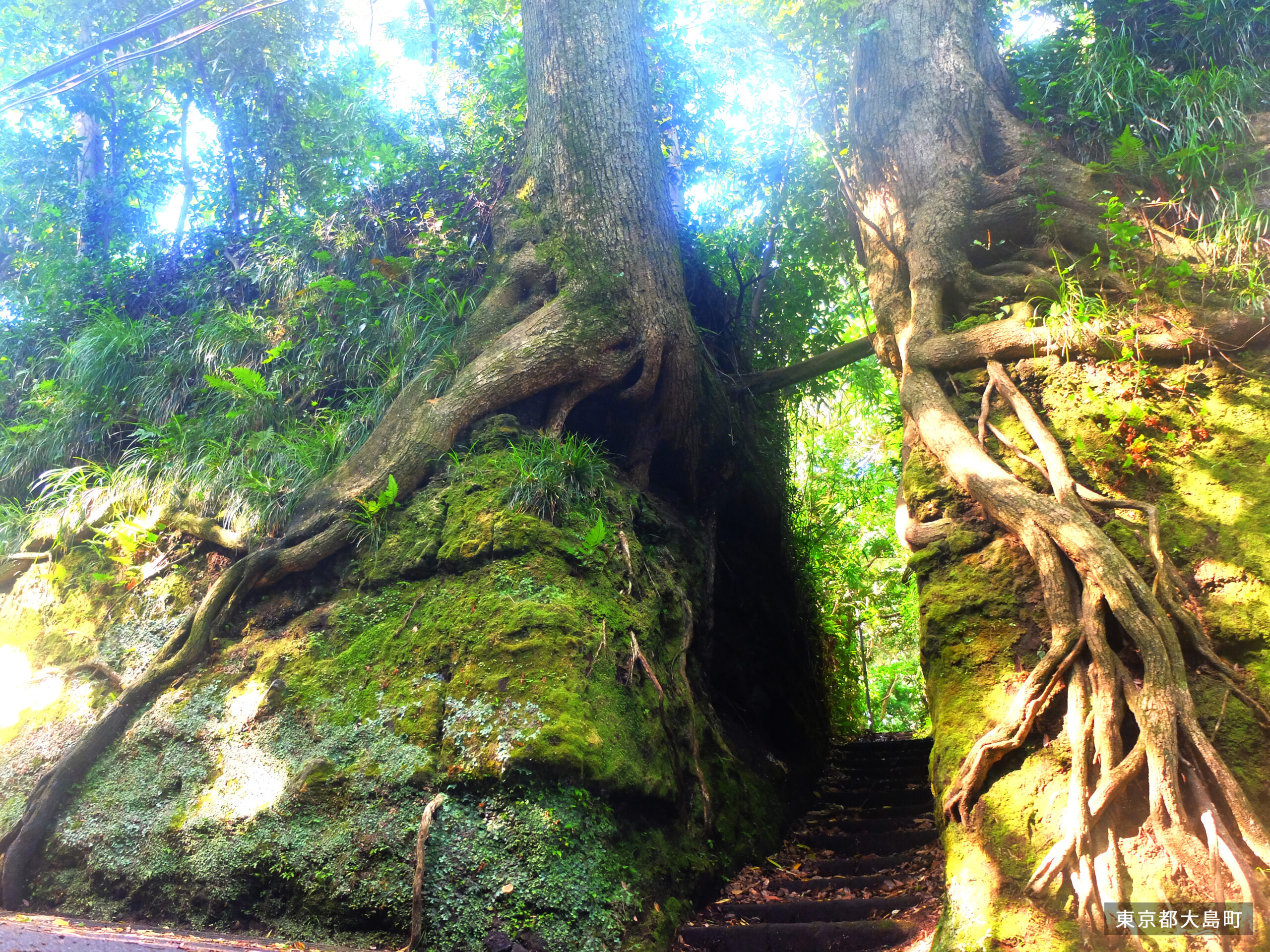
The Tokyo Oshima Branch hiking page places Matsuzaki on the Senzu coastal path and says it is directly below the Camellia Tunnel. On the rocky shore there, the official page notes early-summer flowers such as Lysimachia mauritiana and Dianthus japonicus, followed by Lilium maculatum and Peucedanum japonicum.
That makes Matsuzaki a good target for travelers who like small natural details. Tokyo’s English Oshima Park page describes the broader Coastal Trail as a 5.5 km route with blue sea, wild reefs, and seaside plant communities. Matsuzaki fits that mood: compact, seasonal, and easy to miss if you rush.
Use It As A Careful Pause
Do not plan Matsuzaki as a flower guarantee. The official names are useful for understanding what may appear, but bloom timing depends on season, weather, wind, and local conditions. A good visit is still successful if you only notice rocky-shore plants, salt-shaped leaves, and the relationship between cliff, path, and sea.
Keep to the official walking line. Do not climb down to wet rocks, pick flowers, move stones, or step into plant patches for a closer photo. The best traveler behavior here is quiet distance: look, photograph from where it is safe, and leave the shore exactly as it was.
Bus And Route Logic
The full Senzu coastal path runs about 5.5 km from Nihonmatsu in Senzu to Gyoja Tunnel and takes 2 to 3 hours because of ups and downs, according to Tokyo Oshima Branch. The same page says walkers can move by bus between Senzu and Oshima Park if they exit to the island road.
Use that bus-exit idea before you start. If your goal is only Matsuzaki, keep the walk partial and watch your return window. Tokyo’s English Oshima Park page says visitors can take a bus from the airport or harbor to Oshima Park bus stop, which makes Oshima Park a useful backup if weather or footing makes the coastal side unattractive.
Money And Timing
When checked, the Oshima Bus route-bus page showed a timetable period from July 1, 2026 to September 30, 2026. It listed a one-day pass at 2,500 yen for adults and 1,250 yen for children, and a two-day pass at 3,800 yen for adults and 1,900 yen for children, valid on all routes.
The Oshima Bus FAQ says Suica, PASMO, and other IC cards are not accepted. Cash and PayPay are accepted, and on-bus change is available only for 50 to 500 yen coins and 1,000 yen notes. Bring small cash; a quiet flower walk should not end with payment stress.
Best Fit
- Choose this if you enjoy rocky-shore plants and compact coastal details.
- Skip it if the sea is rough, rocks are wet, or wind makes footing uncomfortable.
- Do not pick flowers, leave the path, or enter unstable shore areas.
- Turn back early if return buses, daylight, or weather start to feel tight.
- Use Oshima Park, the Camellia Museum, or onsen stops as practical backups.
Sources
- Tokyo Oshima Branch official hiking course page
- Tokyo Bureau of Environment English Oshima Park page
- Oshima Bus route-bus page
- Oshima Bus FAQ
- Izu Oshima Photo Studio source image and terms
Editorial disclosure: This guide was prepared from official Tokyo, transport, and source-image pages checked on August 21, 2026. Trail closures, rockfall restrictions, protected-area rules, weather, sea conditions, seasonal flower timing, route-bus timetables, fares, pass sales, payment rules, and facility notices can change, so check official pages before travel.