Oshima Early Morning Large-Ship Bus Connection Guide
Short answer: If you arrive on the early large passenger ship to Izu Oshima, do not treat the port like a slow sightseeing stop. Confirm today’s port, identify the official Oshima Bus connection direction, prepare payment, and move toward the bus stop promptly after disembarking.
Last checked: August 21, 2026. Ship operation status, arrival/departure ports, early-arrival connection buses, route-bus timetables, fares, pass sales, baggage rules, bicycle rules, payment rules, and port facilities can change. Always check official pages before travel.
The First Rule: Confirm The Port
Tokai Kisen’s Oshima information says the arrival and departure port is decided as Motomachi Port or Okada Port depending on sea conditions, and it directs travelers to the Tokai Kisen operation-status page. That matters most when you are planning the early large-ship arrival, because a bus plan built for the wrong port is already broken.
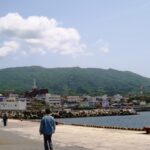
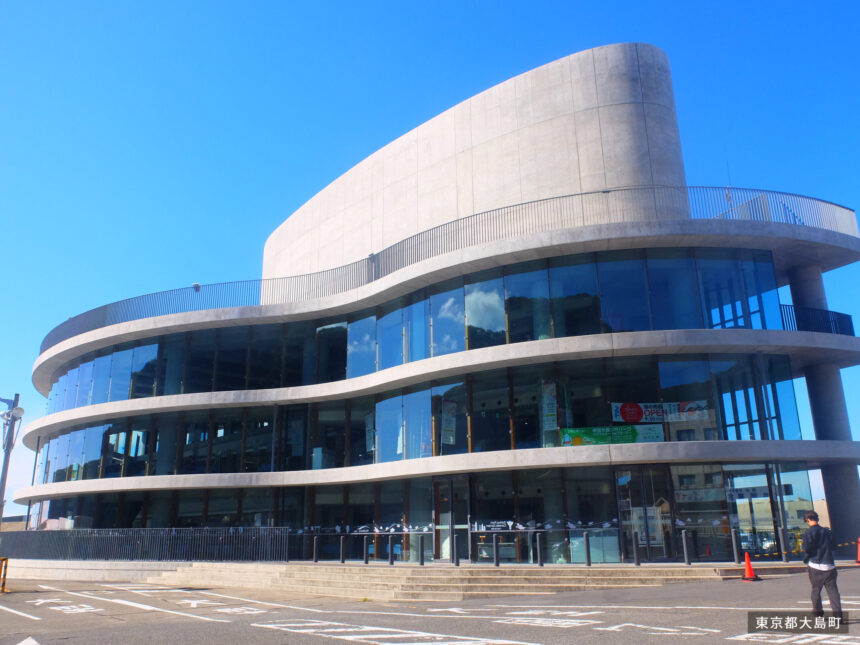
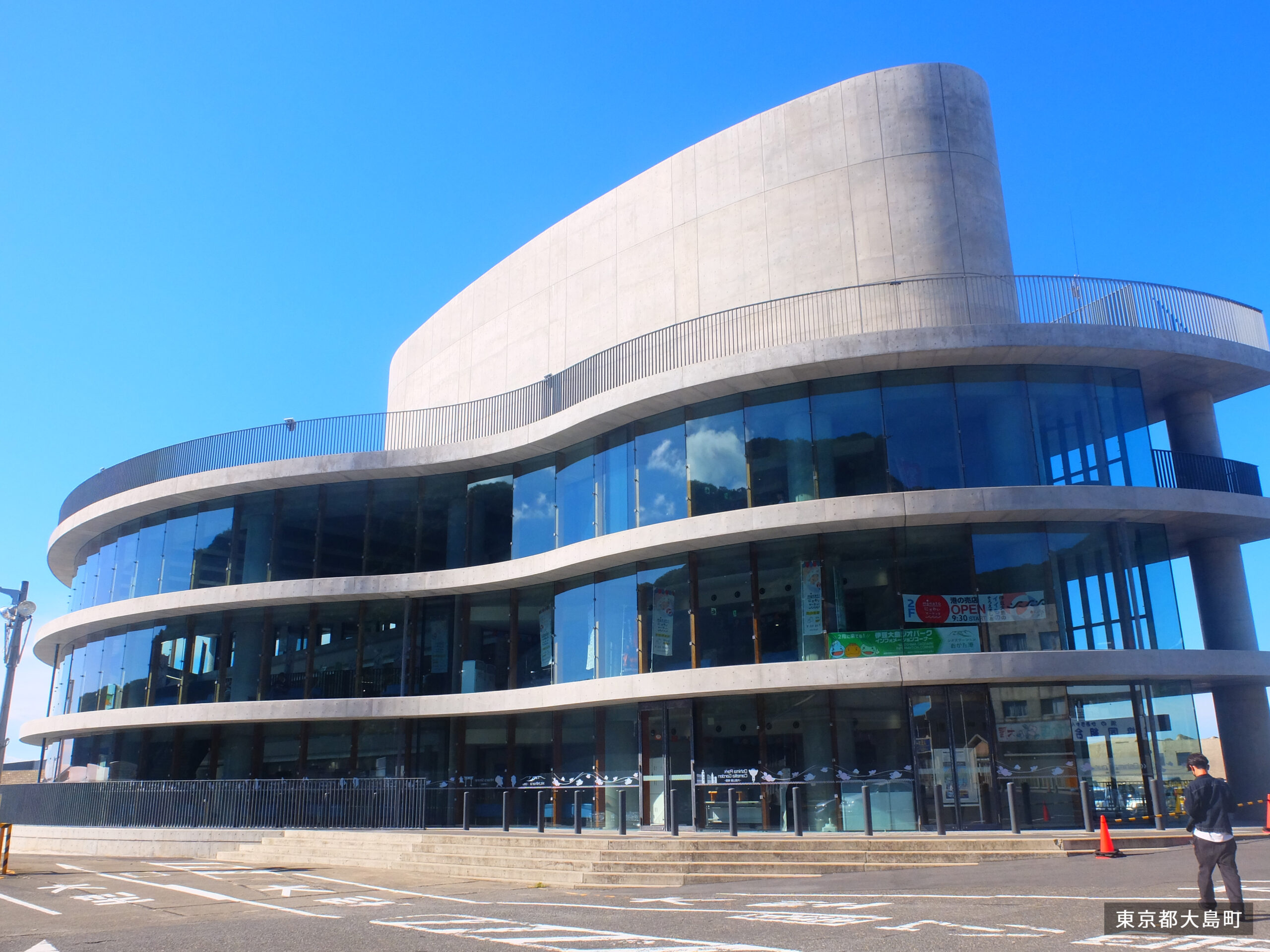
Tokyo Oshima Branch explains the island’s two-port system from the port side: Okada Port and Motomachi Port are used differently for large regular ships depending on wind direction. Okada Port is in northern Oshima, while Motomachi Port is in western Oshima near the island’s largest settlement. Treat those as different starting points, not interchangeable labels.
What Oshima Bus Says About Early Arrival
Oshima Bus says that, for early large-passenger-ship arrival around 6:00, connection buses are prepared for multiple directions. When checked, the listed directions included Motomachi Port via Gojinka Onsen, Oshima Park via Onsen Hotel, and Oshima Town athletic stadium via Habu Port.
The same official page asks passengers using these buses to come to the bus stop promptly after disembarking. In plain travel terms, take your port photo later if you need the connection. First find the official bus stop, check the direction label, and board the route that matches your first real destination.
Read Directions, Not Just Place Names
The early connection wording can look simple, but the direction matters. “Via Gojinka Onsen” is not the same travel day as “via Onsen Hotel” or “via Habu Port.” If you are heading to a hotel, campground, trailhead, bath, or rental counter, match the bus direction to the current Oshima Bus timetable before you arrive.
Oshima Bus lists Motomachi Port on the Oshima Park Line, Habu Port Line, and Mt. Mihara Line, and lists Okada Port on the Oshima Park Line and Mt. Mihara Line. Both port stops are shown as zero minutes from the stop, but the lines and onward geography are not the same.
Payment Before Boarding
When checked, Oshima Bus listed one-day passes at 2,500 yen for adults and 1,250 yen for children, and two-day passes at 3,800 yen for adults and 1,900 yen for children, valid on all routes. These may be useful if the early bus is the start of a multi-stop island day.
The Oshima Bus FAQ says Suica, PASMO, and other IC cards are not accepted. Cash and PayPay are accepted, and on-bus change is available only for 50 to 500 yen coins and 1,000 yen notes. Prepare small cash before the ship arrives, especially if you are carrying bags and boarding with many other passengers.
Baggage And Crowds
Tokai Kisen’s English site links baggage information for ship travel, and Oshima Bus links route-bus baggage information from its route-bus page. Check both if you are carrying large luggage, outdoor gear, or a folding bicycle. The Oshima Bus FAQ says folding bicycles in bicycle bags may be carried for an additional 500 yen, but carriage may be refused in crowded conditions or depending on bus type.
That is exactly the kind of detail that matters on an early arrival: everyone is moving at once, the bus may be timed to the ship, and the wrong bag assumption can slow you down. Pack so you can move from gangway to bus stop without reorganizing your luggage in the flow of passengers.
A Simple Arrival Sequence
- Before departure, check Tokai Kisen operation status and the current Oshima Bus route-bus page.
- Before disembarking, confirm whether the ship is using Motomachi Port or Okada Port.
- Match your destination to the official connection-bus direction.
- Prepare cash, PayPay, pass details, and any baggage questions before reaching the bus door.
- Move promptly to the bus stop, then save sightseeing, food, and port photos for after the transfer is secure.
Best Fit
- Choose this guide when you arrive on the early large passenger ship around 6:00.
- Use the official Tokai Kisen port decision before assuming Motomachi or Okada.
- Use Oshima Bus connection directions rather than guessing from a map.
- Carry small cash because IC cards such as Suica and PASMO are not accepted on Oshima Bus route buses.
- Check baggage and folding-bicycle rules before relying on a tight connection.
Sources
- Oshima Bus route-bus page
- Oshima Bus sightseeing page
- Oshima Bus FAQ
- Tokai Kisen operation status page
- Tokai Kisen English page
- Tokai Kisen Oshima special page
- Tokyo Oshima Branch official Okada Port page
- Tokyo Oshima Branch official Motomachi Port page
- Tokyo Oshima Branch Motomachi/Okada port notice
- Izu Oshima Photo Studio source image and terms
Editorial disclosure: This guide was prepared from official transport, port, and source-image pages checked on August 21, 2026. It is an independent planning guide and does not replace current Tokai Kisen operation status, Oshima Bus timetables, official fare tables, baggage rules, staff instructions, or port safety notices.