Oshima Coastal Trail by Bus Guide
Short answer: Oshima Coastal Trail is a real walking plan, not just a quick Oshima Park add-on. The official route is about 5.5 km, takes about 2 to 3 hours in full, and needs weather, footwear, daylight, and return-bus checks before you start.
Last checked: August 21, 2026. Trail closures, rockfall restrictions, weather, sea conditions, visibility, route-bus timetables, fares, pass sales, and payment rules can change. Always check official pages before travel.
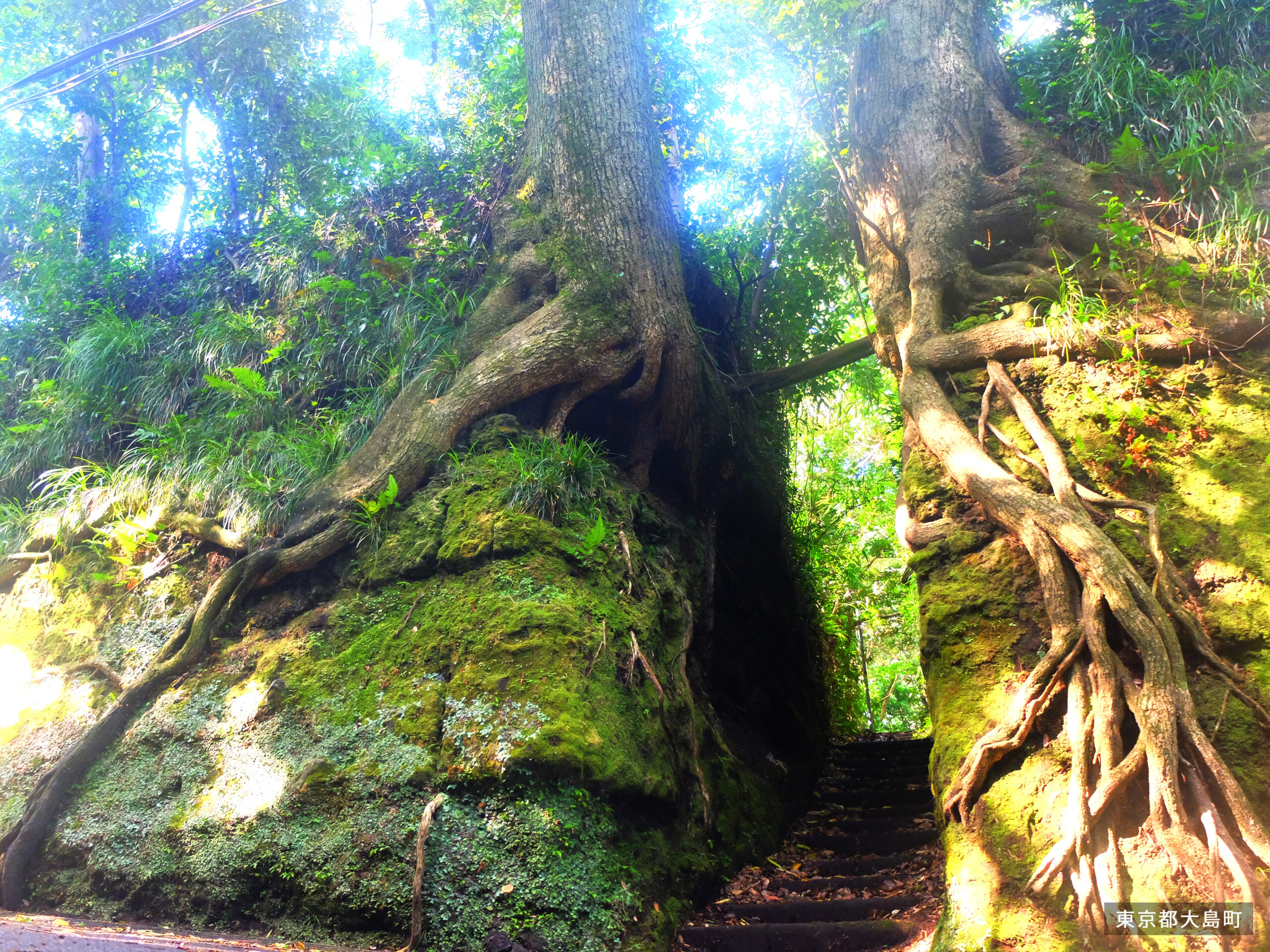
Choose Full Or Short
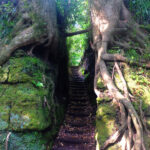
The Tokyo Oshima Branch hiking page describes the Senzu coastal path as a 5.5 km route from Nihonmatsu in Senzu to Gyoja Tunnel on Izu Oshima’s east coast. It says the path has ups and downs and takes 2 to 3 hours to walk in full.
The Tokyo Bureau of Environment English page gives a similar frame: the Coastal Trail is about 5.5 km total, takes about 3 hours in full, follows the coastline, and then heads toward a pine forest with broad views. If you only have a short bus window, keep Oshima Park as the anchor and do not pretend the full trail is a casual detour.
Bus Anchor
Oshima Bus lists Tokyo Metropolitan Oshima Park as served by the Oshima Park Line, Rainbow Line, and Osabaku Line. The official sightseeing page gives the stop as Oshima Park and the walk from the stop as 0 minutes.
The Tokyo Oshima Branch page also says that between Senzu and Oshima Park, walkers can move by bus if they exit to the island road. That makes the route easier to shorten, but only if you have checked the current timetable and know where you can safely leave the trail.
What You See
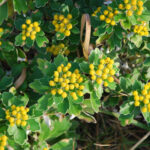
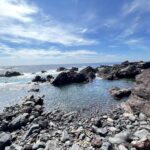
The official pages describe a route with coastline, reefs, pine forest, birdwatching, plant observation, and natural monuments. Tokyo’s English page says visitors can observe seaside plant communities including Juniperus lutchuensis, Japanese cheesewood, and Rhaphiolepis umbellata.
Kasamatsu is one of the key plant stops. Tokyo Oshima Branch says its seaside plant community was designated a national natural monument in 1951, with Oshima hainez covering the first 20 meters inland from the sea and coastal plants such as sukashiyuri and isogiku mixed in. Treat this as observe-only: stay on the route and do not step into protected vegetation.
Shiofuki And Rockfall Caution
Shiofuki is another headline feature. Tokyo Oshima Branch says it is a Tokyo natural monument where waves compress air in a sea cave and seawater blows upward from an opening. Tokyo’s English page describes the same phenomenon as a prefectural natural monument.
Do not improvise around cliffs or caves. The Tokyo Oshima Branch page says that at Gyoja Beach, the cave and the path to the cave are closed because rockfall makes them dangerous. The same page notes that continuing into the 2.0 km nature study trail is for strong walkers because return transport is limited and the nearest bus stop is Oshima Park Zoo.
Bus Money And Timing
When checked, Oshima Bus’s route-bus page showed a timetable period from July 1, 2026 to September 30, 2026. It listed a one-day pass at 2,500 yen for adults and 1,250 yen for children, and a two-day pass at 3,800 yen for adults and 1,900 yen for children, valid on all routes.
The Oshima Bus FAQ says Suica, PASMO, and other IC cards are not accepted. Cash and PayPay are accepted, and on-bus change is available only for 50 to 500 yen coins and 1,000 yen notes. Carry small cash, especially because a missed return bus can turn a good walk into a long wait.
Good Fit
- Choose the full coastal trail only with enough daylight, water, and walking shoes.
- Use Oshima Park stop if you want the simplest bus anchor.
- Shorten the plan if wind, rain, heat, or return-bus timing looks poor.
- Do not enter closed caves, unstable slopes, or protected plant areas.
- Check official trail and bus information before committing to the walk.
Sources
- Tokyo Oshima Branch official hiking course page
- Tokyo Bureau of Environment English Oshima Park page
- Oshima Bus sightseeing page
- Oshima Bus route-bus page
- Oshima Bus FAQ
- Izu Oshima Photo Studio source image and terms
Editorial disclosure: This guide was prepared from official Tokyo, transport, and source-image pages checked on August 21, 2026. Trail closures, rockfall restrictions, weather, sea conditions, visibility, route-bus timetables, fares, pass sales, payment rules, and facility notices can change, so check official pages before travel.