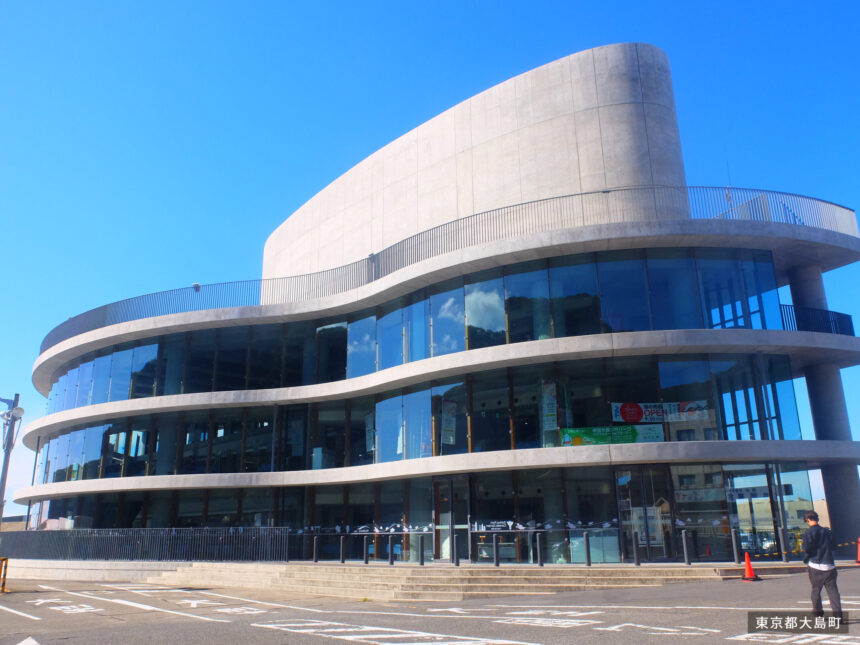
Oshima Ferry Pet Lodging-To-Port Transfer Guide
Short answer: When leaving Izu Oshima lodging with a pet carrier, do not choose your transfer before confirming the day’s ferry port. Oshima uses Motomachi Port and Okada Port depending on same-day sea conditions, and the departure port may not be known until the day. With a pet, luggage, and ferry procedure still ahead, check Tokai Kisen operation status first, then confirm transport.
Last checked: August 25, 2026. Port choice, operation status, pet carrier rules, pet-ticket fees, lodging checkout, bus timetables, bus payment, taxi availability, taxi fares, and operator pet acceptance can change. Always check official pages and direct operator guidance before travel.
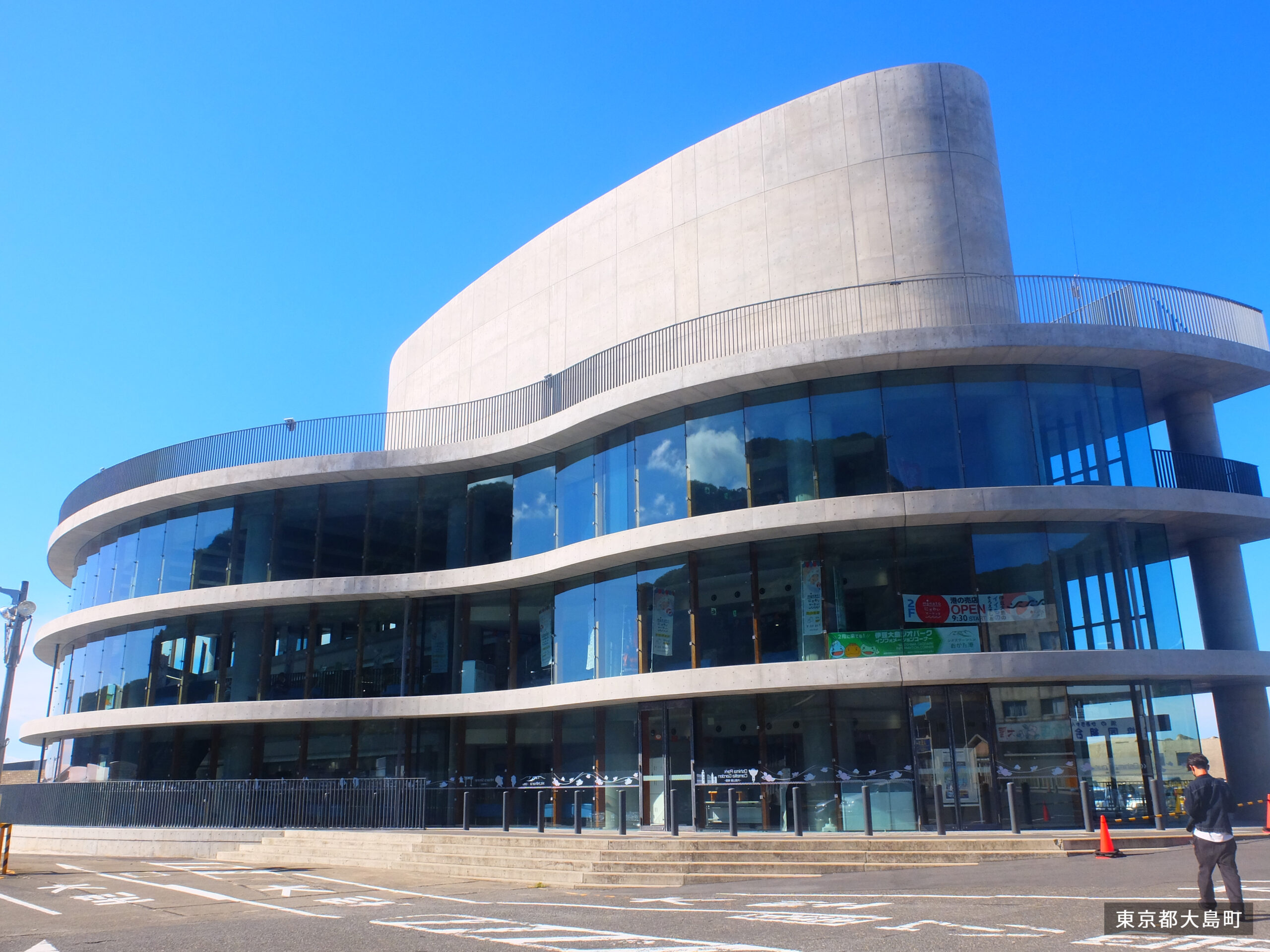
Confirm The Port Before Leaving Lodging
Oshima Tourism Association says Izu Oshima uses Okada Port in the north and Motomachi Port in the central area depending on same-day sea conditions, and that the departure port may not be known until the day. This matters more when you have a pet carrier because changing ports after checkout is harder than changing ports with only a daypack.
Tokai Kisen’s operation-status page is the live official source for Oshima service status, port decisions, conditional operation, cancellation, and warnings. Refresh that page before leaving your accommodation or calling a taxi.
Keep The Ferry Pet Rules In The Transfer Plan
Tokai Kisen’s pet guidance says pets must be in a cage or basket no more than 45cm per side, with the pet’s face and body kept inside. Its English FAQ similarly says pets should be in a cage or carry-on with sides no longer than 45 cm and placed in the designated area as instructed by crew.
That means the transfer plan starts before the terminal. If the carrier is open, oversized, or awkward to move with luggage, the problem is not only on board; it affects checkout, bus stops, taxi loading, and the counter sequence.
Tell Tokai Kisen Before Travel
Tokai Kisen asks travelers to tell the customer center the pet type, number of pets and people, and size at reservation time. For internet reservations, it asks travelers to email the reservation number, name, pet type, number of pets and people, and size.
Keep that confirmation with your reservation details on the morning you leave lodging. If the port changes, you want the pet and ferry facts settled before solving the land-side transfer.
Do Not Assume The Bus Accepts The Pet
Oshima Tourism Association says Oshima Bus runs route and sightseeing buses and should be contacted for details. Izu Oshima Navi also points travelers to the Oshima Bus site for latest timetables. Oshima Bus publishes route-bus timetables, maps, fare information, riding guidance, and route maps; when checked, the timetable period shown was July 1, 2026 to September 30, 2026.
Those route facts do not prove pet acceptance. If you plan to use a bus with a pet carrier, confirm the current pet rule with Oshima Bus before relying on the connection. Also prepare payment: Oshima Bus’s FAQ says Suica, PASMO, and other transportation IC cards are not accepted, while cash or PayPay can be used.
Use Taxi Backup Realistically
Oshima Tourism Association says taxis do not cruise, night service is very limited, most taxis wait at ports or the airport, and travelers should inquire by phone. That makes taxi backup useful but not automatic.
With a pet carrier, call early and ask directly about the pet, carrier size, luggage, pickup place, destination port, and payment. If the official operation status has not settled the departure port yet, ask the lodging what time they recommend checking again before committing to a pickup.
Coordinate Lodging Checkout
The accommodation page lists lodging across Oshima’s northern, central, and southern areas, while also warning that Okada Port and Motomachi Port are used according to same-day sea conditions. Your lodging area can change the transfer risk: a northern stay may be easier for Okada Port, while a central stay may be easier for Motomachi Port.
Before checkout day, ask your lodging what they normally recommend when the port is not yet known, whether luggage can wait briefly, and whether they can help call a taxi. Do not treat any answer as permission to carry a pet unless the pet and carrier are explicitly included.
Protect Ferry Counter Time
Tokai Kisen’s FAQ recommends arriving about one hour before large passenger ships and about 30 minutes before high-speed jet ferries. With a pet, leave room for passenger-ticket procedure, pet-ticket handling, carrier confirmation, and crew or counter guidance.
If you are still deciding between bus and taxi after the port is known, choose the option that protects the ferry procedure. Saving a little time or fare does not help if the pet ticket or boarding procedure becomes rushed.
A Lodging-To-Port Pet Transfer Sequence
- Before checkout, refresh Tokai Kisen operation status and confirm whether the port is Motomachi Port or Okada Port.
- Confirm your pet carrier still satisfies the 45cm and closed-container rule.
- Keep Tokai Kisen pet notification details with your reservation and passenger ticket.
- Ask lodging about luggage waiting, taxi calling, and port-change timing.
- If using Oshima Bus, confirm current pet acceptance directly with the operator.
- If using a taxi, call early and state pet, carrier, luggage, pickup, and destination.
- Carry cash or PayPay for bus fallback, because Suica and PASMO are not accepted.
- Arrive early enough for the ferry counter, pet ticket, and boarding procedure.
Sources
- Tokai Kisen pet and baggage page
- Tokai Kisen FAQ
- Tokai Kisen operation-status page
- Oshima Tourism Association accommodation page
- Oshima Tourism Association local transport page
- Izu Oshima Navi transportation page
- Oshima Bus route-bus page
- Oshima Bus FAQ
- Izu Oshima Photo Studio source image page
Editorial disclosure: This guide was prepared from official ferry, tourism-association, local-transport, bus, and source-image pages checked on August 25, 2026. It is an independent planning guide and does not replace current Tokai Kisen pet rules, operation status, pet-ticket fees, counter instructions, lodging policies, Oshima Bus or taxi-company answers, weather notices, or port decisions.