Oshima Shiofuki by Bus Guide
Short answer: Add Shiofuki only as a flexible, sea-condition-dependent stop on the Senzu side of the Oshima coastal trail. It is worth planning for if you enjoy coastal geology and bus-based island walks, but it is not a place to force in rough weather or when the return bus is tight.
Last checked: August 21, 2026. Trail closures, rockfall restrictions, weather, sea conditions, visibility, bus timetables, fares, pass sales, and payment rules can change. Always check official pages before travel.
What Shiofuki Is
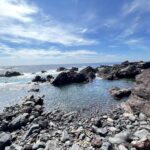
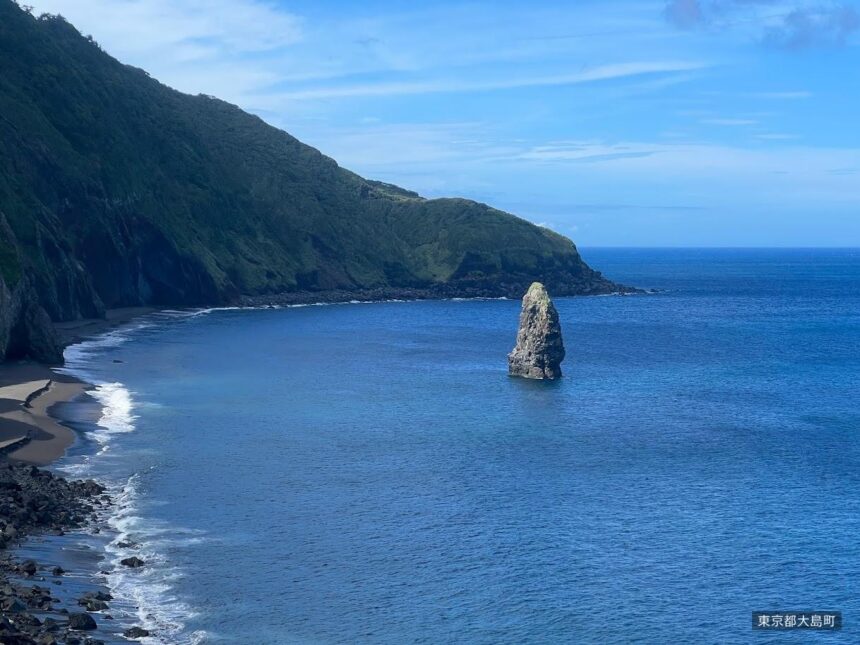
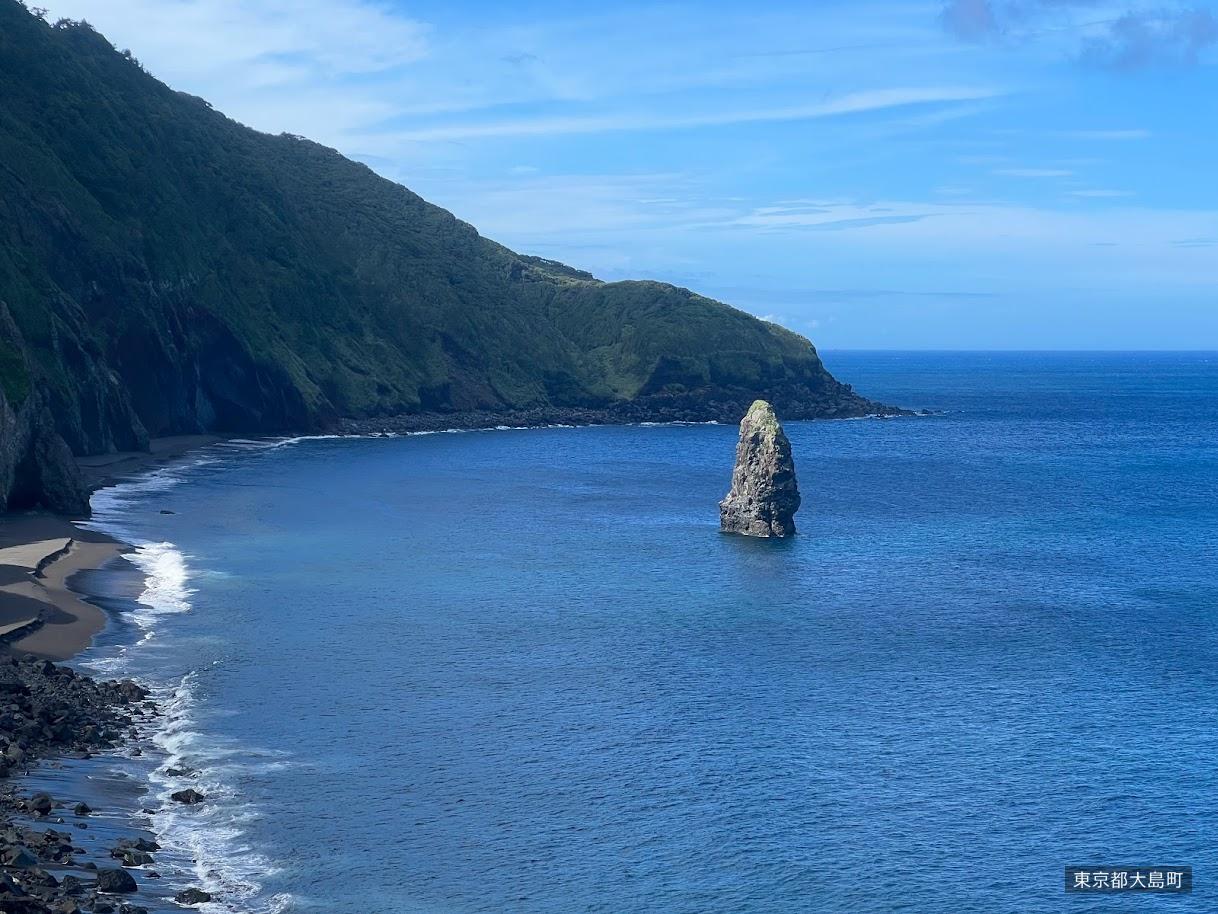
The Tokyo Oshima Branch hiking page places Shiofuki on the first part of the Senzu coastal path, between Nihonmatsu and Shiofuki. It says Shiofuki is designated as a Tokyo natural monument and explains the effect simply: waves enter a sea cave, pressure compresses the air inside, and seawater blows upward from an opening.
Tokyo’s English Oshima Park page gives the same basic idea and treats Shiofuki as one of the recommended spots along the Oshima Park Coastal Trail. That trail is about 5.5 km in full and takes about 3 hours, so this article treats Shiofuki as a focused target, not a commitment to the whole route.
Plan It Like A Maybe
Shiofuki is a natural phenomenon, not a scheduled performance. Calm seas may make the effect modest. Rough seas, strong wind, rain, wet steps, or poor visibility can make the area a poor choice even if the map looks simple. The best plan is to check conditions, walk only as far as the route feels stable, and be satisfied with coastal scenery if the blowhole is quiet.
Use Senzu as the practical bus-side anchor. Tokyo Oshima Branch says that from Senzu bus stop, visitors walk a little toward Oshima Park to reach the coastal-trail entrance. The same page says walkers can move by bus between Senzu and Oshima Park if they exit to the island road.
Safety First
Do not climb down, lean over openings, enter closed cave areas, or step onto wave-washed rocks for a better look. A blowhole depends on wave energy, which is exactly why visitors should keep distance. If the sea is dramatic enough to look exciting, it may also be strong enough to make the edge unsafe.
Rockfall is a separate caution. Tokyo Oshima Branch says the Gyoja Beach cave and the path to it are closed because of rockfall danger. Keep that in mind when reading maps: a coastal trail can have official highlights and official no-go areas at the same time.
Bus Money And Timing
When checked, the Oshima Bus route-bus page showed a timetable period from July 1, 2026 to September 30, 2026. It also listed connecting buses for early-arrival large ships, including a direction via Oshima Park to Onsen Hotel, but travelers should still confirm the current timetable before choosing a walk window.
The route-bus page listed a one-day pass at 2,500 yen for adults and 1,250 yen for children, and a two-day pass at 3,800 yen for adults and 1,900 yen for children, valid on all routes. The FAQ says Suica, PASMO, and other IC cards are not accepted; cash and PayPay are accepted, and on-bus change is limited to 50 to 500 yen coins and 1,000 yen notes.
Best Fit
- Choose this if you want one coastal phenomenon rather than the full 5.5 km trail.
- Go only when wind, rain, footing, and sea conditions feel comfortable.
- Keep your return-bus plan visible before leaving the road area.
- Respect natural-monument areas and protected coastal plants.
- Switch to Oshima Park, the Camellia Museum, or an onsen stop if the coast is not inviting.
Sources
- Tokyo Oshima Branch official hiking course page
- Tokyo Bureau of Environment English Oshima Park page
- Oshima Bus route-bus page
- Oshima Bus FAQ
- Izu Oshima Photo Studio source image and terms
Editorial disclosure: This guide was prepared from official Tokyo, transport, and source-image pages checked on August 21, 2026. Trail closures, rockfall restrictions, weather, sea conditions, visibility, route-bus timetables, fares, pass sales, payment rules, and facility notices can change, so check official pages before travel.