Make Yonago Airport a compact official-deck stop
Short answer: Yonago Kitaro Airport works well for aviation fans when you keep the plan simple: use the official 3F send-off deck, check JR or bus access before moving, and treat Yonago, Sakaiminato, Matsue, or Kaike Onsen as flexible add-ons rather than fixed promises.
Last checked: August 21, 2026. Send-off deck access, terminal hours, flight status, airline routes, JR operations, bus timetables, fares, shops, restaurants, lockers, rental cycles, parking, weather, and events can change. Always confirm current details on official Yonago Kitaro Airport, airline, JR, and bus pages before you go.
Choose your first Yonago Airport plan
| Plan | Best for | How to keep it practical |
|---|---|---|
| Short deck stop | Aviation fans with a flight, arrival buffer, or spare airport hour | Start with the official 3F send-off deck, then return indoors before baggage, security, boarding, or transport timing becomes tight. |
| JR-linked airport visit | Travelers who like airports and local rail together | Use the official train page and JR West operation information before relying on Yonago Airport Station, Yonago Station, or Sakaiminato Station. |
| San’in gateway plan | Visitors continuing toward Yonago, Sakaiminato, Matsue, or Kaike Onsen | Check bus, car, taxi, luggage, and last-return options first, then add terminal food or airport viewing only when the timing is comfortable. |
Why Yonago Airport works for aviation fans
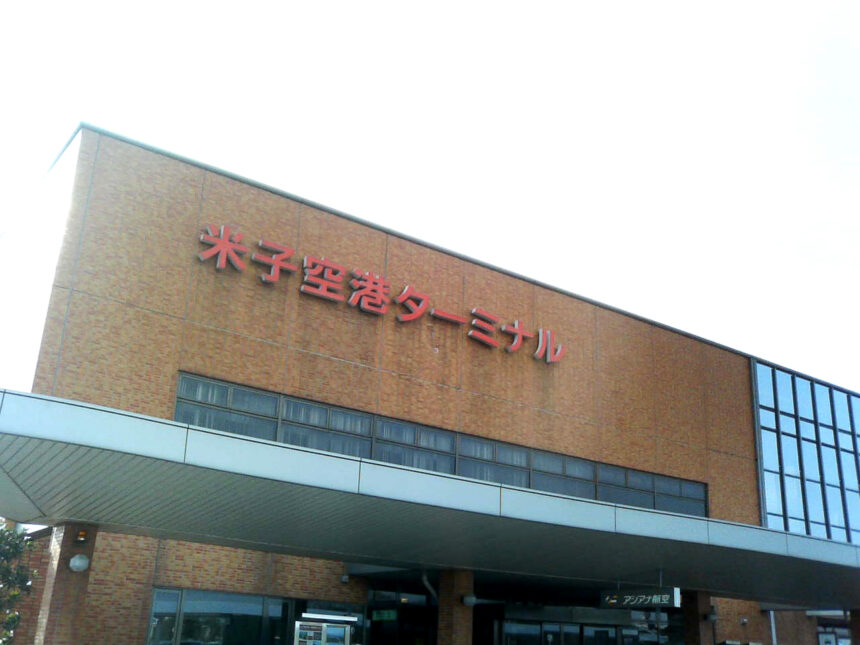
Yonago Kitaro Airport is useful because the aviation part of the day can stay official and compact. The airport floor guide lists 1F as the check-in and arrival floor, 2F as the departure floor with shops, cafes, restaurants, and lounge, and 3F as the send-off deck where visitors can watch takeoffs and landings.
That gives first-time visitors a clear order: confirm the flight or onward transport, use the 3F deck if conditions allow, then return to the terminal for food, shopping, lockers, or route checks. It is not a place where you need to improvise around fences or restricted areas.
Stay inside official public areas
This matters more at Yonago than at some airports because the official airport outline identifies Miho Airfield as a joint-use airfield managed by the Minister of Defense. For an aviation fan, the safe answer is simple: use the terminal, the official deck, and other public visitor spaces only.
Do not treat perimeter roads, private land, service roads, security fences, military-adjacent areas, or drone viewpoints as part of the itinerary. A good airport guide should make the trip easier and calmer, not create trouble for travelers, residents, airport staff, or flight operations.
Use JR, bus, or car depending on the trip
Yonago Airport is unusually interesting for transport fans because the official airport site has a train access page for JR connections as well as bus and car access pages. The train page gives fare snapshots for Yonago Station, Yonago Airport Station, and Sakaiminato Station, and links to JR West operation information.
The bus page lists directions toward Yonago Station, Matsue Station, Sakaiminato, and Kaike Onsen / Yonago Station connections for some international flights. The car access page gives rough driving-time snapshots, including Yonago Station, Sakaiminato Station, and Matsue Station. Treat all of those as current-check starting points, not permanent timetable or fare guarantees.
Build a simple half-day
If you arrive at Yonago Kitaro Airport, check your flight status, baggage needs, and onward transport first. If the timing is relaxed, go to the 3F send-off deck for aircraft views, then use the 1F or 2F facilities before continuing toward Yonago, Sakaiminato, Matsue, or Kaike Onsen.
If you are flying out, reverse the plan. Reach the airport early, confirm check-in and security timing, use the deck only after the practical steps are under control, and keep enough margin for weather, bus delays, rail operation changes, or shop-hour differences.
Terminal extras can be useful, but keep them flexible
The floor guide and FAQ list traveler services such as food, shops, lounge, coin lockers, ATM, information counter, bus ticket machine, JR guidance, and other passenger facilities. Those details can make a small airport more enjoyable, especially when you are waiting between a flight and a local connection.
Still, terminal facilities are high-update. Restaurants, shops, lounge rules, lockers, rental cycles, opening hours, and payment options can change, and some services may depend on flight operations. Use the official pages for the same-day plan, especially if you are carrying luggage or traveling late.
What to check before you go
- Official Yonago Kitaro Airport notices, floor guide, deck access, and terminal opening information.
- Airline flight status and recommended arrival time for domestic or international departures.
- JR West operation information, Yonago Airport Station access, fares, and last train options.
- Bus timetables, fares, bus stops, flight-linked services, and possible service changes.
- Weather, road conditions, parking, lockers, luggage, shops, restaurants, lounge rules, and enough buffer time.
Where this fits in the transport hub
Yonago Airport belongs in the airport-area branch of the Japan Transport Fan Travel Guide. If you are comparing airport days, also see Plane Spotting in Japan Airports for First-Time Visitors, Okayama Airport Area Guide for Aviation Fans, and Komatsu Airport Area Guide for Aviation Fans.
Photo credit
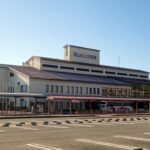
Featured image: Yonago_kuko.jpg by Lemon-s on Wikimedia Commons, public domain. Cropping or resizing may be applied for site display. The image is used in editorial Yonago Airport aviation-travel-guide context and does not imply endorsement by Yonago Kitaro Airport, airlines, JR West, bus operators, Wikimedia, or the creator.
Sources
- Yonago Kitaro Airport: Floor Guide
- Yonago Kitaro Airport: Access and Parking
- Yonago Kitaro Airport: Bus Access
- Yonago Kitaro Airport: Train Access
- Yonago Kitaro Airport: FAQ
- Yonago Kitaro Airport: Airport Outline
- Wikimedia Commons image file and license record
Editorial disclosure: This is an independent planning guide. It is not affiliated with Yonago Kitaro Airport, Miho Airfield, the Ministry of Defense, airlines, JR West, bus operators, Wikimedia, or the creator.