Short answer
Fukue Airport, also branded as Goto Tsubaki Airport, is a strong small-island aviation day when you treat it as part of a wider Goto Islands transport plan. Use the official rooftop observation deck, the 2,000m runway context, Fukue Port access, rental-car or bus planning, and one realistic island branch instead of trying to turn the airport into a full-day attraction by itself.
Last checked: August 21, 2026. Flight operations, airline schedules, airport services, observation-deck access, shop and restaurant hours, bus timetables, taxi availability, rental-car inventory, ferry and jetfoil sailings, church or site opening rules, weather, sea conditions, and typhoon disruption can change. Always confirm current details on official airport, airline, ferry, city, tourism, transport, and weather pages before travel.
Why Fukue works for aviation fans
Fukue Airport is the main air gateway to Fukue Island in the Goto Islands of Nagasaki Prefecture. Nagasaki Prefecture airport-management material records Fukue Airport as a local-management airport with a 2,000m runway. The official airport site adds the traveler-facing reason to stop here: Goto Tsubaki Airport has public terminal facilities, a rooftop observation deck, food and shopping, lockers, Wi-Fi, and access guidance that links the airport with Fukue Port and island movement.
That makes the airport useful for transport fans who like the whole system: air arrival, port connection, rental-car decision, bus or taxi timing, and weather-aware island movement. Keep the aviation side simple and respectful. Use the official rooftop observation deck when open, public terminal spaces, legal roads, sidewalks, port areas, and public transport facilities. Avoid fence lines, service roads, private land, drone use, and anything that interferes with airport operations or local traffic.
Start with the terminal and deck
The airport’s official floor and facility pages list the practical visitor pieces that matter for a light aviation stop: a rooftop observation deck, restaurant, shop, coin lockers, nursing room, Wi-Fi, and passenger-service information. These make the airport easy to use as a first or last Goto Islands stop, especially if your flight time leaves a small window before moving to the port, hotel, or rental-car route.
Do not assume every service is always available. Observation-deck access, restaurant hours, shop hours, lockers, baggage handling, and airport guidance should be checked on the official airport site or directly with operators before travel. If you need a specific service, solve it before the flight day. Small island airports are best enjoyed with modest expectations and extra time.
Connect the airport with Fukue Port
Fukue Port is the natural transport partner for Fukue Airport. The airport official access page gives bus and taxi guidance, while Goto City’s official tourism access pages explain that the Goto Islands can be reached by both air and sea. That is the core planning hook: compare your flight arrival with ferry or jetfoil movement, then decide whether the day should be airport-to-port, airport-to-city, or airport-to-island route.
Because sea travel is weather-sensitive, never build a tight same-day plan from stale ferry or jetfoil assumptions. Check airline pages, ferry operators, the airport official site, Goto City tourism pages, and current weather close to travel. If you are connecting between air and sea, leave enough buffer for baggage, local movement, delays, wind, waves, and schedule changes.
Choose your island movement before landing
Goto City’s official tourism guidance lists rental cars, buses, taxis, sightseeing taxis, bicycles, and other local movement options. It also points travelers toward rental cars for wider island exploration and cautions that busy seasons need early reservation. That advice matters for aviation fans because the airport is only the start of the transport problem.
A rental car is the simplest choice if you want to connect the airport, Fukue Port, city food, churches, beaches, coastal roads, and viewpoints. A bus or taxi plan can work when it is built around the current timetable, reservation rules, dispatch realities, and return movement. A bicycle plan should be slower and weather-aware, especially with heat, wind, distance, hills, baggage, and sunset.
Add one Goto branch
For a first airport-area day, choose one branch. A transport branch can connect the airport with Fukue Port, city-center food, and ferry or jetfoil observation from public areas. A scenery branch can use a car or taxi route toward the coast, beaches, or a lighthouse-side landscape. A cultural branch can include churches or historic sites, but only after checking official opening rules, photography restrictions, worship-space etiquette, and local access guidance.
The Goto Islands are not a place to rush through as a checklist. Weather, sea conditions, road distance, limited public transport, and return flights all shape the day. Keep the branch small enough that you can still return your car, catch your bus, reach your hotel, or board your flight without stress.
Simple first-time plan
| Step | What to do | Why it works |
|---|---|---|
| 1 | Check flight status, airport services, observation-deck access, bus timetable, taxi availability, rental-car reservation, ferry or jetfoil status, and weather | Goto Islands plans depend on air, sea, road, and weather conditions |
| 2 | Use the public terminal, rooftop observation deck, shop, restaurant, lockers, and Wi-Fi as the aviation anchor | The airport is compact but useful as a first transport stop |
| 3 | Connect to Fukue Port, the city center, or your hotel by confirmed bus, taxi, rental car, or pickup | The airport works best when paired with port and town movement |
| 4 | Add one branch: port logistics, city food, a church or heritage site, a beach, a coastal drive, or a bicycle segment | One branch keeps the plan realistic |
| 5 | Leave buffers before flight departure, ferry sailing, rental return, bus connection, sunset, and bad-weather changes | Island transport rewards spare time |
Where this fits in the transport hub
Use this as the Fukue branch of the Japan Transport Fan Travel Guide. It pairs naturally with Nagasaki, Tanegashima, Yakushima, Amami, Kikai, Tokunoshima, Okinoerabu, Yoron, and other island-airport guides, but Fukue stands out because the airport-to-port connection is the heart of the day.
Photo credit
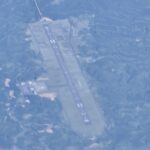
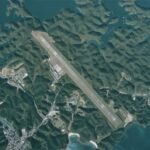
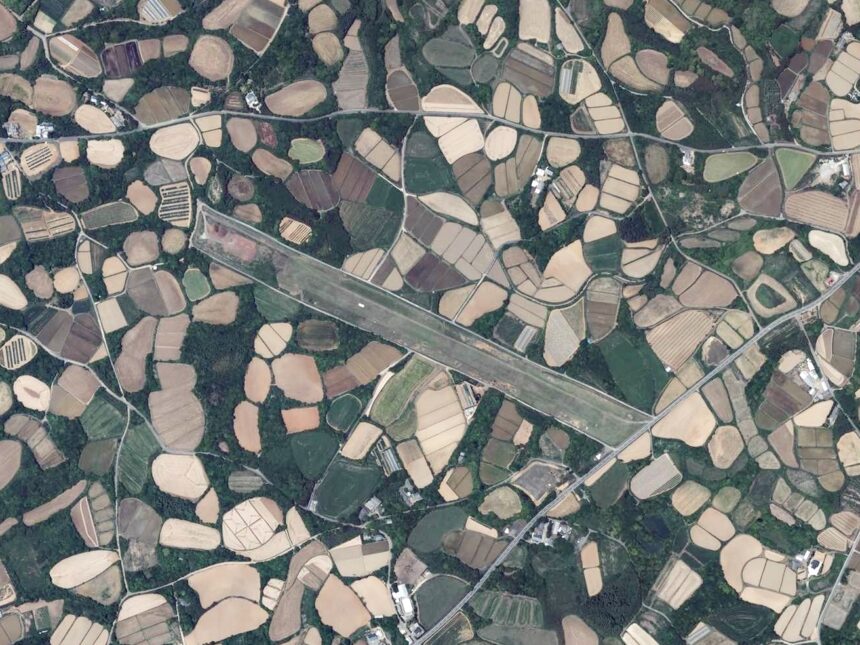
Featured image: Fukue airfield aerial photo, credited to Geospatial Information Authority of Japan / Ministry of Land, Infrastructure, Transport and Tourism, via Wikimedia Commons, licensed under CC BY 4.0 / public-data-compatible source record. Cropping or resizing may be applied for site display. The image is used in editorial transport-travel-guide context and does not imply endorsement by GSI, MLIT, Nagasaki Prefecture, Goto City, Fukue Airport, airport operators, airlines, ferry operators, transport companies, tourism organizations, Wikimedia, or the uploader.
Sources
- Goto Tsubaki Airport: floor and facilities
- Goto Tsubaki Airport: access
- Goto Tsubaki Airport: FAQ
- Goto Tsubaki Airport: timetable
- Nagasaki Prefecture: airport overview and Fukue Airport runway information
- Goto City official tourism: access
- Goto City official tourism: getting around the islands
- Wikimedia Commons image file and license record
Editorial disclosure: This is an independent planning guide. It is not affiliated with Goto Tsubaki Airport, Fukue Airport, Nagasaki Prefecture, Goto City, airport operators, Japan Airlines, Oriental Air Bridge, ferry operators, bus operators, taxi operators, rental-car companies, church or heritage-site operators, tourism organizations, GSI, MLIT, Wikimedia, or the image uploader.