Short answer: Rainy season food planning in Japan is less about special dishes and more about route control. Build meals around stations, department-store basements, covered shopping streets, museums, cafes, ramen shops, soba shops, aquariums and hotel-area restaurants. The goal is to eat well without making every meal depend on outdoor walking.
This guide is for travelers visiting during Japan’s early-summer rain window, especially June routes in Tokyo, Kyoto, Osaka and other urban areas. Use it with the Japan in June food guide, the summer foods in Japan guide and the broader Japan seasonal food calendar.
Last checked: July 22, 2026. Rain, humidity, train delays, opening hours, event operations, restaurant queues, menus, labels, allergens, prices and payment methods can change. Check the exact venue and transport route before depending on a rainy-day plan.
Rainy Season Food Strategy
| Situation | Better food move | Avoid |
|---|---|---|
| Heavy rain in a big city | Station building, depachika, underground mall, ramen, soba, cafe | Cross-city casual meals with no reservation or backup. |
| Light rain with a garden or temple route | Eat before the outdoor stop, then keep a cafe or station meal nearby | Carrying fragile food through wet paths and crowds. |
| Hydrangea-focused day | Pair the flower stop with tea, sweets, soba or a simple lunch nearby | Assuming the attraction allows eating anywhere on site. |
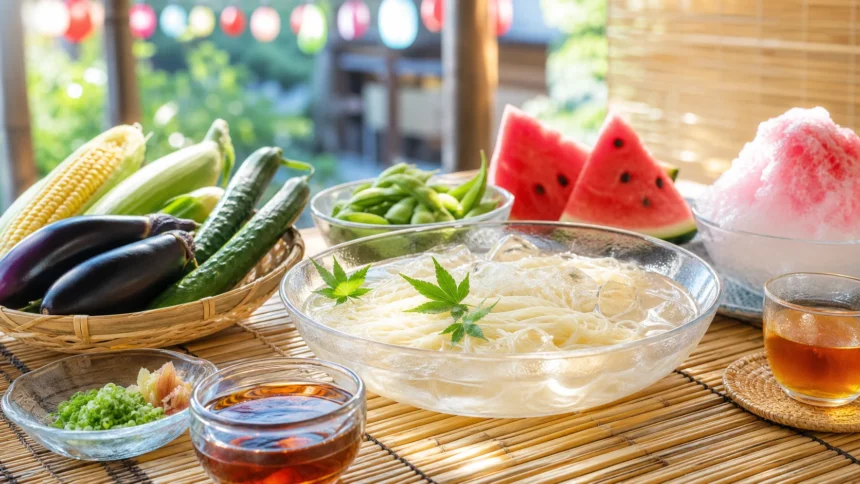
| Humid afternoon slump | Cold noodles, fruit, drinks, shaved ice, cafe rest or hotel break | Scheduling another outdoor food queue. |
| Flexible long trip | Consider Hokkaido or northern routes if the overall itinerary allows | Changing regions last-minute without lodging and transport checks. |
What Rain Changes
JNTO’s June guidance connects the season with rain, hydrangeas and ripening plums. GO TOKYO also frames June as a month of rainy-season weather and hydrangea viewing. For food travelers, the useful point is not that one dish becomes mandatory. It is that walking distance, queue tolerance, carrying time and backup locations become more important than usual.
A rainy-day food plan should have three parts: a meal close to transport, a dry place to wait if a queue is long, and a second option in the same building or neighborhood. Station complexes and department stores are useful because they compress restaurants, takeaway counters, sweets, restrooms and transport into one zone.
Best Food Formats For Rainy Days
Station Buildings And Underground Malls
Use major stations as food bases on wet days. They can offer restaurants, bento, bakeries, sweets, supermarkets and department-store food floors without long outdoor movement. This is especially practical on luggage days or after a delayed train.
Ramen, Soba And Set Meals
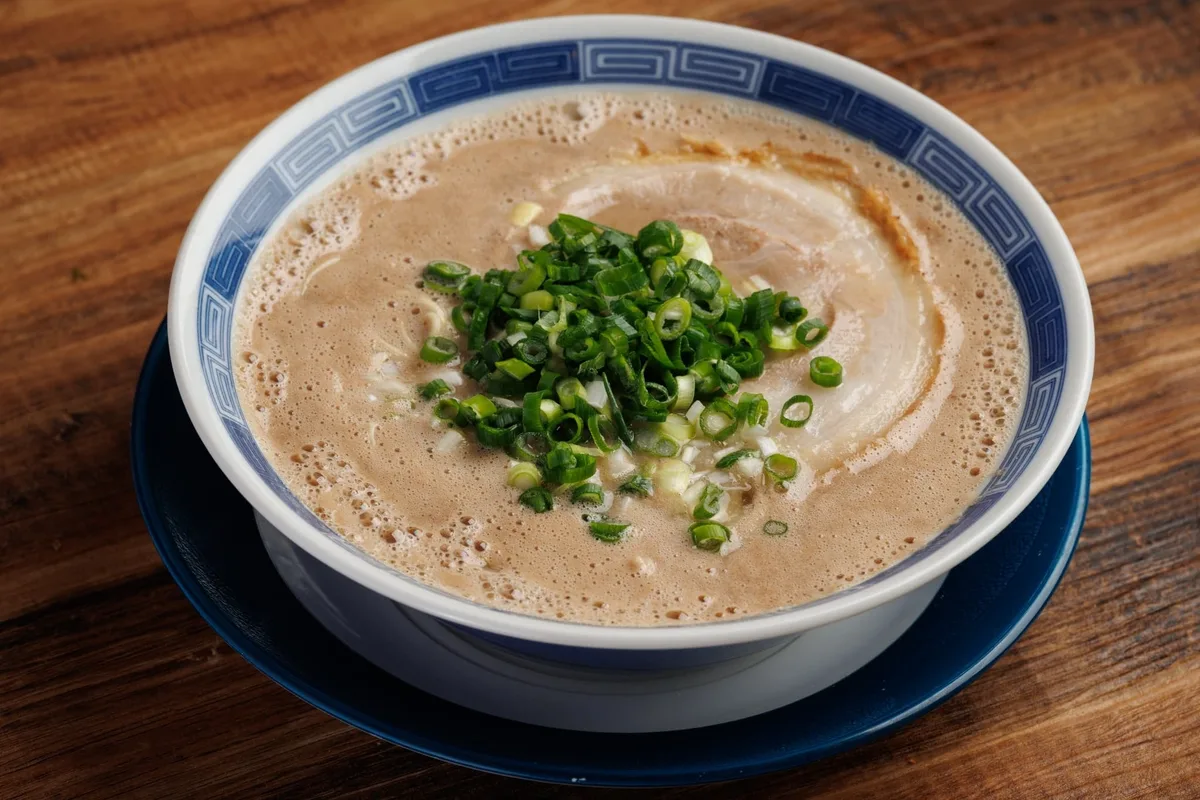
Hot noodles and set meals work well when the weather is wet and energy is low. Check whether the shop uses a ticket machine, whether there is a covered queue, and whether the broth or sauce creates allergy or dietary concerns.
Cafes, Museums And Aquariums
Rain can make a cafe, museum or aquarium route more comfortable than an outdoor market. Do not assume the cafe menu is enough for a full meal; check the current facility page and keep a nearby restaurant option.
Convenience Stores And Supermarkets
Convenience stores are useful for breakfast, drinks, umbrellas, simple dinners and emergency snacks. Buy practical items before the heaviest rain starts. For meals, choose food you can eat soon or store safely.
Hydrangeas, Ume And Seasonal Cues
Hydrangeas can make June routes memorable, but flower spots are not automatically food destinations. Build the day as a route: station breakfast, hydrangea stop, nearby tea or sweets, then a dry lunch or dinner near the return station.
Ume plum products can appear as drinks, sweets, pickles and flavor cues. Check labels because ume items may include alcohol, honey, sweeteners, additives or ingredients that matter for dietary restrictions. A seasonal flavor is not the same as an allergy-safe product.
When Hokkaido Helps
JNTO notes that Hokkaido is less affected by Japan’s rainy season than many other areas. That can make Hokkaido attractive for travelers who have flexibility and want seafood, dairy, ramen, markets or cooler outdoor routes. Treat it as a planned regional choice, not a same-day escape from bad weather. Flights, trains, hotels and restaurant availability still need checking.
Rainy-Day Mistakes To Avoid
- Putting a distant casual lunch between two outdoor attractions.
- Waiting in an uncovered line because a restaurant looked famous online.
- Buying chilled or fragile food before several hours of humid sightseeing.
- Assuming every hydrangea, temple or garden route has food stalls.
- Using a convenience store only after you are already soaked and tired.
- Forgetting that allergies and strict diets become harder when you are rushing.
Two Simple Rain Plans
Tokyo Station-Oriented Day
Plan a morning indoor activity, eat in a station or department-store building, use a cafe break in the afternoon, and keep dinner near your hotel. This avoids turning rain into a city-crossing problem.
Hydrangea Half-Day
Choose one flower stop, confirm access and rules, eat before or after the visit, and keep a dry backup near the railway line. Do not make the flower stop and the restaurant both hard to reach.
Related Guides
- Japan in June food guide
- Summer foods in Japan
- Japan seasonal food calendar
- Japan convenience store seasonal food guide
- Japan food travel guide for first-time visitors
- Japan food allergy guide for travelers
FAQ
Is rainy season a bad time for food travel in Japan?
No. It is a bad time for fragile outdoor-only plans. Indoor food floors, station restaurants, cafes and hotel-area meals can make the trip easier.
What should I eat on a rainy day?
Choose food that fits the route: noodles, set meals, depachika takeaway, cafe food, supermarket fruit, convenience-store breakfast or a restaurant near your hotel.
Should I reserve more restaurants during rainy season?
Reserve the meals that are important and hard to replace. For ordinary meals, location and backup options usually matter more than making every meal fixed.
Official Sources
Editorial disclosure: Kuroneko Aji Meguri creates English food travel guides as independent editorial planning pages. We prioritize official tourism, government, venue and producer information where possible. This article does not sell a tour, restaurant reservation or medical service, and it cannot guarantee availability, safety or opening hours on your travel date.