Pop-culture museums and limited anime exhibitions can be some of the best Japan travel memories, but they are not planned like ordinary sightseeing stops. A museum may have regular hours and a broad collection. A limited exhibition may use timed tickets, one-way routes, strict photography rules, no reentry, and merchandise lines that change the rhythm of the day.
Last checked: August 28, 2026. Museum hours, exhibition dates, ticketing, photo rules, merchandise rules, cafe access, crowd controls, and event schedules can change. Confirm current official venue or event pages before travel.
This guide is built for travelers who want the experience without turning the day into a scramble. Use it as a planning layer before you open the official venue page, ticket page, and access map.
Start With The Ticketed Moment
Before choosing lunch, shopping, or the next neighborhood, identify the fixed part of the day. For many pop-culture exhibitions, that fixed point is not the venue address. It is the ticket time slot.
Tokyo Anime Center, for example, explains that exhibitions may require advance tickets, have time slots, limit guest numbers, and set rules that vary by exhibition. Its Shibuya venue guidance also warns that ticket prices can vary and that refunds, reissues, and date or time changes may not be available. Treat that ticket window as the anchor of your plan.
Museums can be more flexible, but they still need a current check. Kyoto International Manga Museum publishes opening hours, fees, online ticket information, and closure notices, and it warns that hours and closures may change without notice. Suginami Animation Museum lists free admission and regular closing days, while also asking visitors to check for temporary closures.
Museums, Exhibitions, And Events Are Different
A museum visit is usually the easiest format for a first-time traveler. You can plan around opening hours, admission, access, and how much text support is available in English. Suginami Animation Museum is free to enter, but its official English page notes that explanations in the museum are in Japanese. GO TOKYO also points travelers to English audio tour support, which is exactly the kind of practical detail worth checking before arrival.
A limited exhibition is more controlled. The attraction may be designed around a current title, creator, anniversary, game, film, or franchise. That can make the visit exciting, but also less forgiving. Check the official event page for ticket release dates, entry flow, photography signs, goods limits, and whether the exhibition is still running on your travel date.
A larger fan event adds even more variables: crowds, venue layout, early starts, outdoor queues, nearby restaurant pressure, lockers, and transit at the end of the day. For these, plan less like a museum visitor and more like someone protecting energy, battery, and time.
Ticket And Time-Slot Checks
Use official pages first. Search engines and social posts can help you discover an event, but the final check should be the venue, organizer, museum, or ticketing page. Confirm the exact date, entry time, closing time, cancellation rules, age rules, and whether the ticket is tied to a named visitor.
If your visit depends on merchandise, do not assume entry equals shopping success. Some exhibitions use purchase limits, numbered tickets, separate shop lines, or sellouts. If merchandise is the main reason for going, read the official shop notes before building the rest of the day.
Leave a buffer after the exhibition. One-way routes, crowd control, photo spots, and shop queues can easily stretch the visit. A dinner reservation 20 minutes after your exit estimate is a common way to make a good day feel rushed.
Photo And Copyright Rules
Photography rules are not only about whether your phone camera is allowed. Kyoto International Manga Museum’s visitor guide explains that photography may raise copyright and portrait-rights issues when exhibit photos or images of visitors and staff are published. It also tells visitors to follow exhibition signage, avoid flash, and refrain from commercial-purpose photography.
Tokyo Anime Center’s venue rules also make the same practical point: do not touch exhibits, follow photography signs, avoid sound and video recording where prohibited, and do not use tripods or selfie sticks. In crowded exhibitions, staff may also restrict movement, return routes, or reentry.
The safest habit is simple: read the sign at each room, photograph only where allowed, avoid posting close-up copyrighted works unless the venue clearly permits it, and never photograph strangers in a way that makes them identifiable without consent.
Food And Season Planning
Theme cafes and exhibition cafes can be fun, but they are not a reliable meal plan unless you already have a reservation or official same-day system confirmed. Menus can sell out, waiting times can grow, and some cafes are designed more for drinks, desserts, or limited goods than for a full meal.
Build one backup meal outside the venue. In Tokyo, that may mean a station building, department-store restaurant floor, convenience store, or casual chain near the next train stop. In Kyoto or regional cities, check closing times earlier, especially if the museum is not in a late-night dining area.
Summer plans need water, indoor breaks, and a rain option. Winter plans need warm layers, earlier daylight expectations, and a locker or bag plan if you are carrying coats and purchases. Event days are more comfortable when you reduce the number of fixed reservations around them.
Summer And Winter Event-Day Rhythm
For summer events, arrive hydrated, carry a small towel, and avoid stacking outdoor waits before the exhibition. If the event has goods queues, check whether the official site separates entry tickets from shop access. Sudden rain is common enough that a compact umbrella or rain shell can save the day.
For winter events, think about warmth and luggage. Exhibition rooms can be warm while outdoor queues and station transfers are cold. If you plan to buy goods, a light foldable tote can be more useful than trying to force boxes or clear files into a daypack.
Practical Checklist
- Check the official venue page and official ticket page, not only social media reposts.
- Confirm date, time slot, closing time, refund rules, and reentry rules.
- Read photography signs inside the venue before taking or posting photos.
- Plan one meal backup that does not depend on an exhibition cafe.
- Add a crowd buffer before dinner reservations, train transfers, or another ticketed activity.
- Use official event pages for merchandise limits, shop tickets, and sales-period changes.
Use This With Related Guides
Use this guide with Anime, Manga, and Pop Culture Travel Guide to Japan. For nearby fan districts, compare with Tokyo Pop Culture Areas: Akihabara to Odaiba. If the event includes a themed cafe or limited goods, read Character Cafes in Japan and Character Goods and Souvenir Planning Guide.
Photo Credit
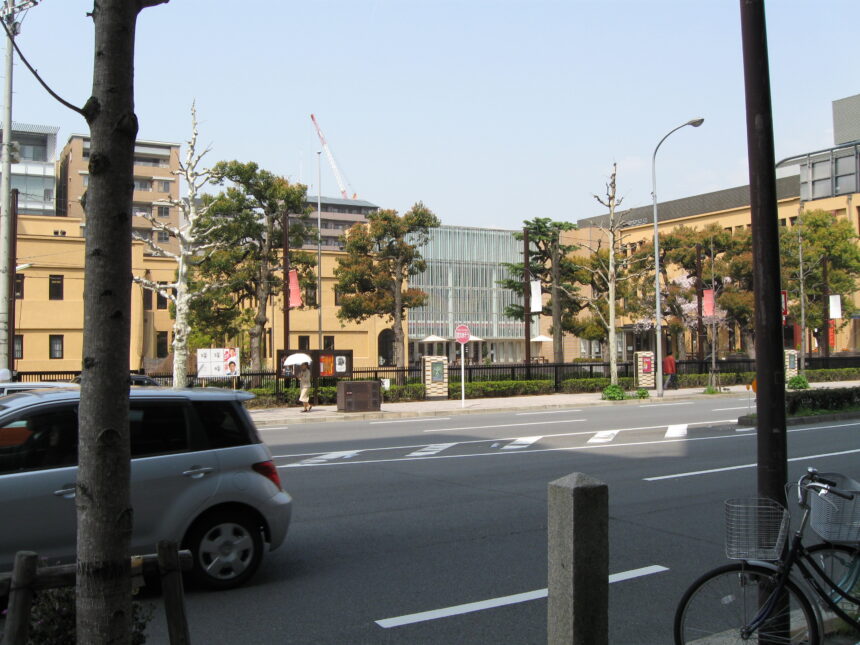
Featured image: Kyoto International Manga Museum exterior by Kento Ikeda, via Wikimedia Commons, licensed under CC BY 2.0. Image use does not imply endorsement by the photographer, museum, event organizers, creators, rights holders, or ticketing services.
Sources
- Kyoto International Manga Museum official English site
- Kyoto International Manga Museum: hours and fees
- Kyoto International Manga Museum: photography guidance
- Tokyo Anime Center official English site
- Tokyo Anime Center in DNP PLAZA SHIBUYA: visitor rules
- Suginami Animation Museum official English page
- GO TOKYO: Suginami Animation Museum
- Anime Manga Tourism Festival official site
Editorial Disclosure
This independent guide is not affiliated with or endorsed by the museums, venues, event organizers, creators, rights holders, or ticketing services mentioned. Always confirm current rules, prices, schedules, and ticket conditions on the official pages before travel.