Short answer
Shimojishima Airport is one of Japan’s most satisfying small-airport days for aviation fans, but it works best when you keep the plan public, official, and weather-aware. Use Miyako Shimojishima Airport Terminal’s own terminal-hours, bus, taxi, rental-car and parking pages, pair them with JMA’s 3000m runway and marine-wind context, and avoid any plan that depends on restricted roads, private land, fences, drones, or unsafe roadside stopping.
Last checked: August 21, 2026. Terminal hours, flight operations, bus timetables, taxi fares, rental-car pickup rules, parking capacity, photo spots, and weather conditions can change. Always confirm current details on official airport, airline, bus, taxi, rental-car, parking, and weather pages before you go.
Why Shimojishima works for aviation fans
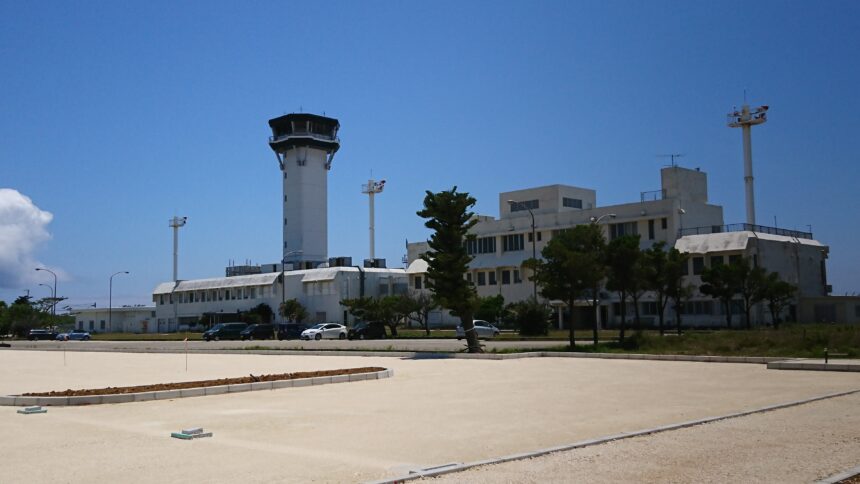
Shimojishima has a stronger aviation identity than many resort airports. The Japan Meteorological Agency’s Naha Aviation Weather Station lists the airport as RORS, with runway RWY17/35 measuring 3000m x 60m and an elevation of 25 ft. JMA also describes the airport as being on Shimoji Island, about 10 km west of Miyako Island, with the north side of the runway protruding into the sea and strongly affected by marine wind.
That is exactly the kind of context aircraft fans notice: a long runway, sea exposure, island weather, and a passenger terminal that turned Shimojishima from a specialist aviation name into a real visitor gateway. JMA notes that the new terminal opened and scheduled passenger flights began in March 2019. The official terminal site frames it as the “Gateway to the Coral Island,” which is a useful reminder that this is also a local resort and community gateway, not just an aircraft-watching object.
Keep the plan public and safe
The best first-time plan is simple: use the terminal, official public spaces, and normal transport links. Do not treat map apps, social posts, or old spotting blogs as permission to enter restricted roads, stop on narrow roads, use private land, approach fences, fly drones, or interfere with airport operations.
The airport’s FAQ is especially important for aviation fans. It says landing direction depends on wind and other conditions, so the airport cannot answer it in advance. It also says aircraft training schedules are not generally public and are posted by the airport only when an airline asks for publication. In practical terms, plan for the airport atmosphere, the terminal, the island setting, and the transport links rather than building the day around a promised landing direction or training movement.
Start with the terminal hours and photo spots
The official “spending time at the airport” page lists terminal building hours as 8:00 to 18:00, with Thursday and Sunday until 18:30, and adds that hours may change depending on flight conditions. Treat that as a current-check item. If your day depends on food, shops, public seating, or a photo spot, confirm the latest terminal information before leaving Miyako Island or your hotel.
For photography, begin with official public areas. The terminal site links to photo spots and visitor services, and the home page lists restaurants, shops, kids services, boarding lounge information, and experiences. That gives you a public-airport day without needing to chase aircraft around the perimeter.
Use buses when the timetable fits
The official bus page lists two useful branches. Chuo Kotsu’s Miyako Shimojishima Airport Liner connects Hilton Okinawa Miyako Island Resort, Hirara Port, and Miyako Airport. Miyako Kyoei Bus’s Miyako Shimoji Airport Resort Line connects Hilton Okinawa Miyako Island Resort, Hirara Port, Miyako Airport, and Miyakojima Tokyu Hotel. The same page says travel times are estimates and details should be checked with each bus company.
Payment also differs by service. The official page says Chuo Kotsu passengers buy a ticket at the reception area near international arrivals before going to the bus stop, while Miyako Kyoei Bus passengers go directly to the bus stop and pay when getting off. Do not copy a timetable from an old article into your plan. Open the linked operator timetable on the day you build the route.
Rental car and taxi checks
A rental car can make the Miyako Islands easier, but the official rental-car page gives one detail that matters more than it looks: Miyakojima City has both Miyako Airport and Shimojishima Airport, so online renters should confirm the pickup place is Shimojishima Airport. The page lists rental-car providers at the airport, but availability, office hours, and vehicle stock are all current-check items.
Taxis are useful when a bus connection is awkward. The official taxi page gives an approximate estimate to the Miyakojima city area of about 25 minutes and 4,000 yen, with the usual traffic caveat. It also says taxis wait around aircraft arrival times, but if taxis are away, visitors should consider booking. Build a taxi phone or app backup into the plan rather than assuming cars will always be waiting.
Parking and service details
If you arrive by car, check the official parking page before you park. It lists 299 general parking spaces and 10 accessible spaces, both free, and says overnight parking is possible. It also says long-term parking of five days or more is generally prohibited because capacity is limited, and points visitors to the prefectural long-term parking guidance.
For a smoother airport day, use the information counter as a planning backup. The airport service pages list terminal guidance, flight guidance, access guidance, sightseeing guidance, wheelchair and stroller rental, lost-property support, bicycle tools and an assembly area, first-aid reception, and luggage storage. Those services are useful if your plan changes because of wind, flight timing, or bus connections.
Simple first-time plan
| Step | What to do | Why it works |
|---|---|---|
| 1 | Check flight status, terminal hours, bus timetables, taxi availability, rental-car pickup, parking rules, and weather | Shimojishima is rewarding when current operations match your timing |
| 2 | Start with Miyako Shimojishima Airport Terminal and official public photo areas | It gives the day a safe public aviation anchor |
| 3 | Choose one branch: bus to Hirara Port or Miyako Airport, taxi to the city area, rental car, or a confirmed pickup | One clean branch protects the return window |
| 4 | Leave a weather and transport buffer before your next flight, ferry, dinner reservation, or hotel transfer | Marine wind, road timing, and flight changes are part of island-airport travel |
Where this fits in the transport hub
Use this as the Miyako Islands airport branch of the Japan Transport Fan Travel Guide. It pairs naturally with Naha, Ishigaki, and Amami airport-area plans, but Shimojishima stands out because JMA’s runway context and the official terminal access pages make it possible to plan a focused aviation day without leaving the public visitor framework.
Photo credit
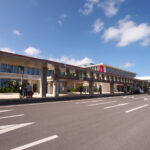
Featured image: Shimojishima.airport.jpg by Wikimedia Commons user Bruno, CC BY-SA 4.0. Cropping or resizing may be applied for site display. The image is used in editorial transport-travel-guide context and does not imply endorsement by the photographer, Wikimedia, Miyako Shimojishima Airport Terminal, airlines, bus operators, taxi operators, rental-car companies, parking operators, JMA, or local authorities.
Sources
- Miyako Shimojishima Airport Terminal: official site
- Miyako Shimojishima Airport Terminal: bus access
- Miyako Shimojishima Airport Terminal: rental cars
- Miyako Shimojishima Airport Terminal: taxis
- Miyako Shimojishima Airport Terminal: parking
- Miyako Shimojishima Airport Terminal: spending time at the airport
- Miyako Shimojishima Airport Terminal: FAQ
- Japan Meteorological Agency Naha Aviation Weather Station: Shimojishima Airport
- Wikimedia Commons image file and license record
Editorial disclosure: This is an independent planning guide. It is not affiliated with Miyako Shimojishima Airport Terminal, Shimojishima Airport Management, JMA, airlines, bus operators, taxi operators, rental-car companies, parking operators, Wikimedia, or the photographer.