Choose the brewery visit that fits your trip
Short answer: choose a brewery tour when production and regional context interest you, a tasting room when you want a shorter stop, and a food-led experience when you want to understand sake through a meal. Check age rules, transport, language, tasting limits, reservation requirements, and what happens if the traveler does not drink. A good visit is not measured by how much anyone consumes.
Last checked: August 16, 2026. Tour schedules, tasting menus, prices, age requirements, transport, language support, and alcohol policies change. Confirm the exact official listing before booking.
Four formats to compare
| Format | Good for | Check first |
|---|---|---|
| Production tour | Visitors who want brewing, equipment, water, rice, and seasonal context | Tour language, shoes, stairs, age limits, and operating days |
| Tasting room | A short stop near a city, station, or regional food route | Walk-in policy, tasting limit, food availability, and last entry |
| Food-pairing experience | Travelers who want sake connected to local cuisine | Course timing, allergies, alcohol content, and non-drinking menu |
| Shop or museum visit | Groups with mixed interests or limited time | What is educational, what is tasting, and what is simply retail |
Transport is part of the decision
Brewery districts may be near a city, in a historic town, or in a rural production area. A visit that looks close on a map may require a local train, bus, taxi, or a walk from the station. Do not plan a fixed brewery booking immediately after a flight, ferry, or complicated transfer. Give the group time to find the building and check in.
For a day trip, confirm the final return service before choosing the last tasting. For a rural overnight, decide where dinner and breakfast will be before assuming that the brewery area has late food. A nearby supermarket, hotel restaurant, or station meal is a useful backup.
Age and drinking boundaries
Age requirements and tasting rules belong to the exact operator. Some activities may allow observation while restricting alcohol tasting, and some may not suit children at all. Never assume that a reservation for one adult automatically covers the whole group. Ask about designated drivers, non-alcoholic options, and how the operator handles a guest who does not drink.
Use tasting as a way to notice aroma, texture, temperature, food pairing, and regional style, not as a competition. A small amount can be enough to understand the activity. Travelers should follow the operator’s rules and local law, and should not drive after drinking.
Questions to ask before booking
- Is the activity a tour, tasting, workshop, museum visit, or shop stop?
- What language is used, and is interpretation included or optional?
- How long does the whole visit take, including arrival and check-in?
- Are there age restrictions, tasting limits, or non-drinking alternatives?
- What food is included, and can the operator discuss allergies, pork, seafood, wheat, or dairy?
- Is the route accessible for stairs, standing, luggage, and older travelers?
- What is the cancellation and late-arrival policy?
Connect the visit to local food
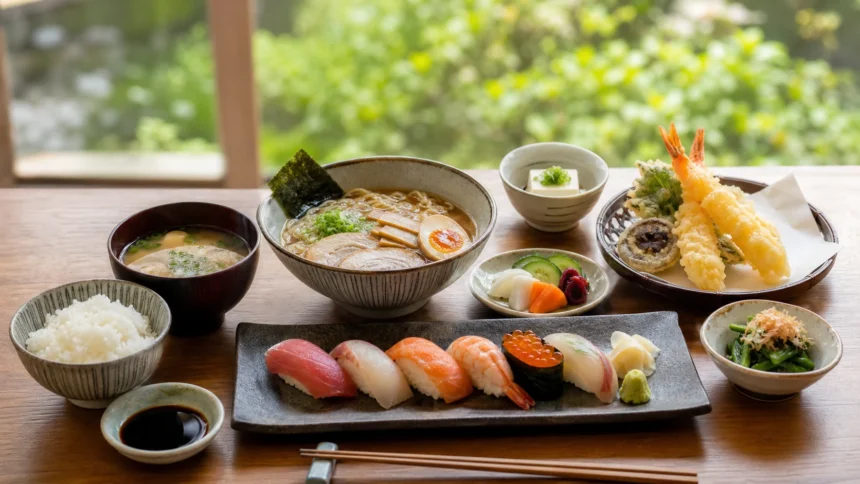
Sake can be part of a wider regional food story, but the pairing depends on the restaurant, season, serving style, and menu. A brewery visit may be followed by local fish, vegetables, pickles, noodles, tofu, or a simple set meal. Do not promise that one drink pairs universally with one dish. Instead, ask the venue what local foods it wants visitors to notice.
For a group with different preferences, place the brewery visit before a flexible meal rather than making it the only food event. Use the Japanese Drinks Guide for wider drink-format context and Practical Food Guides in Japan for reservations and dietary communication.
Plan before and after the visit
Before the visit, save the confirmation, address, operator contact, age policy, and cancellation deadline. Check the route from the previous attraction and allow time for a wrong station exit or a slow local connection. After the visit, use a nearby meal or rest stop rather than booking another distant attraction immediately. The group may want food, water, or quiet time even when the tour itself was short.
For a non-drinking traveler, plan a parallel value: production history, aroma comparison, food pairing, architecture, or a local shopping stop. The activity should remain worthwhile without alcohol. This also makes the experience more comfortable for families, designated drivers, and visitors who are simply curious about brewing.
A practical sample day
- Travel to the brewery with a buffer before the check-in time.
- Join the tour or tasting and follow the operator’s limits.
- Eat a verified local lunch or set meal nearby.
- Leave the area before the last easy connection and keep a hotel-area backup.
Do not place a flight, ferry, or important reservation immediately after the visit. A slower schedule lets the group notice the place and handle a delayed train without turning the experience into a race.
Common planning mistakes
- Booking a brewery at the end of a long transfer with no arrival buffer.
- Assuming the tour includes a meal or enough non-alcoholic choices.
- Forgetting that a tasting room may close earlier than a city restaurant.
- Putting a driver or underage guest in a plan designed only for adult tasters.
- Using an old social post instead of the current operator listing.
For dietary or health concerns, ask about food and alcohol together. A tasting may include snacks, sauces, fermented ingredients, or a course meal, and the operator may need time to answer. If the response is unclear, choose an experience centered on production or history and eat at a separately verified restaurant.
What if the visit is not a fit?
If a tour is fully booked, choose a museum, food market, restaurant with a regional menu, or a non-alcoholic producer experience. If the group cannot verify ingredients or alcohol rules, do not guess. If transport is disrupted, move the visit to a stable day and use the hotel or base-city plan. A thoughtful alternative can teach more than a rushed booking.
Related guides
Start with Hands-On Japanese Food Experiences for the activity map, use Japan History and Living Traditions for cultural context, and return to Japan Food, Culture, and Travel Guide for the national map.
Sources
Editorial disclosure: This is an independent planning guide. It does not guarantee a tour, tasting, menu, or operator policy.