Short answer
The Mikurashima to Tokyo return ferry is a midday island-departure plan, not just the reverse of the overnight trip. In the checked Tokai Kisen timetable, the Tokyo-bound large passenger ship uses ship code 2400, calls at Mikurashima around 12:35, departs around 12:40, calls at Miyakejima, and reaches Tokyo Takeshiba around 19:50. Treat those times as checked examples, then confirm the current timetable, same-day operation status, port condition, baggage cutoff, lodging checkout, and any morning activity before travel.
Last checked: August 21, 2026. Timetables, fares, cabin categories, reservation rules, checked-baggage handling, operation decisions, berthing conditions, helicopter seats, weather, lodging checkout, nature-tour timing, and Tokyo arrival connections can change. Always confirm current details on official operator and local tourism pages before travel.
The return route
Tokai Kisen’s official timetable lists the Tokyo, Miyakejima, Mikurashima, and Hachijojima large-passenger-ship route. In the checked return direction, ship code 2400 leaves Hachijojima in the morning, reaches Mikurashima at 12:35, departs Mikurashima at 12:40, calls at Miyakejima, and arrives at Tokyo Takeshiba at 19:50.
The Tokyo Metropolitan Government Miyake Subprefecture access page gives the same practical return pattern as a sample, with Mikurashima at 12:40, Miyakejima at 13:45, and Takeshiba at 19:50, while warning that times may vary by season and travelers should check Tokai Kisen. That is the right mindset for this route: use the clock to plan, but let the official current pages make the final call.
Why the return needs its own plan
The outbound ferry asks whether you can land in the morning. The return ferry asks whether you can leave the island cleanly in the middle of the day. That means checkout, breakfast, payment, luggage, pier movement, weather decisions, and any morning dolphin or nature activity all compress into the same window.
Because the Tokyo arrival is in the evening, a delayed or cancelled departure can also affect hotels, train connections, domestic flights, and next-day international flights. Do not put an important Tokyo or airport commitment immediately after a Mikurashima return day unless you have enough buffer to absorb the sea.
Same-day operation and berthing risk
Tokai Kisen’s operation-status page tells users to refresh the browser for the latest information. In the checked Mikurashima departure section, the page listed the Tokyo-bound 2400 Tachibana-Maru entry from Mikurashima Port as operating, but the same source also warns that even when a ship is shown as operating, sea and harbor conditions may still prevent berthing.
Mikurashima Tourism Association explains the local reason. Mikurashima sits in open ocean, is affected by tide and wind, has one pier, and passenger ships can often be cancelled depending on sea conditions. For return travel, that means you check both the official status page and the local reality: a ship can be scheduled, and the sea can still make the port difficult.
Morning schedule on Mikurashima
A 12:40 departure sounds generous until you add local movement. You may need to settle lodging, move luggage, confirm the port plan, and follow your host’s instructions before the ship arrives. If you are joining a morning dolphin-related activity, the timing is even tighter.
Mikurashima Tourism Association’s ocean page describes a schedule rhythm that includes confirming details with the captain on the previous day, receiving a briefing on the day, preparing equipment, being punctual, using lodging or boat pickup to the pier, and avoiding walking around town in swimwear or wetsuits. A return ferry day should not squeeze that process into an unrealistic morning.
Baggage and checkout
Tokai Kisen’s checked-baggage page says checked baggage is handled only on large passenger ships. It lists the island-area checked-baggage cutoff as 50 minutes before departure except Niijima, and it describes large travel bags up to 200 cm total dimensions and 30 kg total weight as checkable up to two items per person.
For the 12:40 checked timetable example, a 50 minutes-before-departure baggage rule points you toward an 11:50 mindset, not a 12:35 mindset. Confirm the exact local handling on your travel day, ask lodging staff how they want luggage managed, and avoid building a plan that depends on arriving at the pier at the last minute.
Helicopter fallback is not a guarantee
Tokyo Ai-Land Shuttle can be useful as a comparison branch. The checked official pages listed examples including Mikurashima 11:20 to Miyakejima 11:30, and Mikurashima 14:50 to Hachijojima 15:15. The official timetable page says check-in must be completed from 50 to 30 minutes before departure.
That makes the helicopter a serious transport option for some itineraries, but not a casual rescue button. Seats, reservations, weather, check-in timing, and onward transport all matter. If the ferry is uncertain, ask operators directly and compare real availability rather than assuming the helicopter will solve the day.
Tokyo evening arrival
A 19:50 Takeshiba arrival is convenient for many Tokyo hotel plans, but it is still an evening arrival after a weather-sensitive island crossing. Leave extra time for disembarkation, luggage, terminal movement, dinner, and train or taxi transfer. If you have a late domestic connection or an early international flight the next morning, plan like someone who respects both the ship and the sea.
The safest pattern is to treat the return day as a travel day. Enjoy the route, but keep the Tokyo side simple: one hotel, one transfer, and no fragile chain of reservations.
Return-day checklist
| Need | Official check | Why it matters |
|---|---|---|
| Return timetable | Tokai Kisen timetable | The checked example is 2400, Mikurashima 12:40, Tokyo 19:50 |
| Same-day status | Tokai Kisen operation page | Refresh for the current decision and port condition |
| Berthing risk | Tokai Kisen and Mikurashima Tourism Association | One pier and open-ocean conditions can affect departure |
| Checked baggage | Tokai Kisen baggage page | Island checked-baggage cutoff is listed as 50 minutes before departure |
| Lodging checkout | Your lodging or host | Checkout and luggage movement happen before the ferry window |
| Morning activity | Captain, guide, lodging, and tourism rules | Dolphin-tour timing needs briefing, equipment, pickup, and punctuality |
| Helicopter comparison | Tokyo Ai-Land Shuttle official pages | 11:20 and 14:50 examples require reservations, weather, and check-in checks |
| Tokyo arrival | Tokai Kisen timetable and your hotel route | 19:50 arrival still needs disembarkation and city transfer margin |
Where this fits in the transport hub
Use this as the Mikurashima-to-mainland return branch of the Japan Transport Fan Travel Guide. Read it together with the Tokyo to Mikurashima Overnight Ferry Guide, the Miyakejima to Mikurashima Ferry Backup Guide, the Mikurashima Heliport Area Guide, and the Tokyo Ai-Land Shuttle Booking and Baggage Guide.
Photo credit
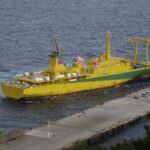
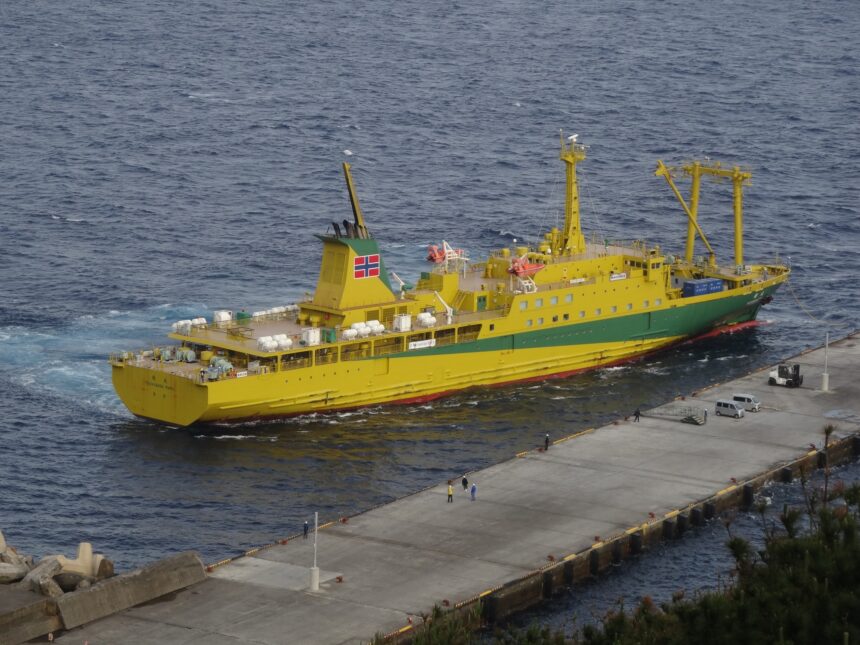
Featured image: Tachibana Maru at the Port of Mikurajima by Commons user Seiseki Taisen Buubuu, romanized from the Japanese username shown on the Wikimedia Commons file record, licensed under CC BY-SA 4.0. The image may be resized for site display. The image is used in editorial transport-travel-guide context and does not imply current ship assignment, current port condition, current operation status, current berthing guarantee, endorsement by the creator, Tokai Kisen, Toho Air, Tokyo Metropolitan Government, GO TOKYO, Mikurashima Tourism Association, Wikimedia, or island communities.
Sources
- Tokai Kisen official timetable
- Tokai Kisen official operation-status page
- Tokai Kisen official checked-baggage page
- Mikurashima Tourism Association access page
- Mikurashima Tourism Association ocean and dolphin-watching page
- Tokyo Metropolitan Government Miyake Subprefecture access page
- Tokyo Ai-Land Shuttle official timetable
- Tokyo Ai-Land Shuttle official availability page
- Wikimedia Commons image file and CC BY-SA 4.0 license record
Editorial disclosure: This is an independent planning guide. It is not affiliated with Tokai Kisen, Toho Air, Tokyo Ai-Land Shuttle, Tokyo Metropolitan Government, GO TOKYO, Mikurashima Tourism Association, Wikimedia, the image creator, or island communities.